No Map, No Filter, No Mercy: How to Find Water in the Desert Before It's Too Late

The Reality Most People Ignore
You're four hours into a desert hike when your last water bottle runs dry. Your phone is dead. Your buddy twisted his ankle a mile back. The sun is dropping, the temperature with it, and you have no idea how far the nearest trail head really is. This isn't a Hollywood scenario — it happens every single summer across the Mojave, the Sonoran, and the Great Basin. People die not because the water wasn't there, but because they never learned how to find it.
The hard truth is this: most preppers focus on storing water, not finding it. That's smart for your homestead, but the moment you're mobile — bugging out, stranded, or lost — that stored water stays behind. What travels with you is knowledge. And right now, most people's knowledge on desert water sourcing stops at "find a cactus." That's not a survival plan. That's a gamble.
The desert is not waterless. It is water-hidden. There is a profound difference. Animals drink. Indigenous peoples thrived for thousands of years in the harshest dryland environments on earth. The water was always there — they just knew the language the land was speaking. Your job as a serious prepper is to learn that language before you desperately need it.
Core Principles and Knowledge Breakdown
Before you can find water, you need to rewire how you think about desert terrain. Water obeys gravity and hides in predictable places. Once you internalize these principles, every landscape becomes a map.
Read the Terrain
Water flows downhill and collects in low points. In a desert canyon system, look for the lowest drainage channels — called arroyos or washes. Even if they appear bone dry on the surface, dig down six to eighteen inches in the lowest, shadiest bend of the wash. Subsurface moisture is common even weeks after rain. This technique has saved lives. It will save yours if you practice it before you need it.
Follow the Biology
- Birds — Especially doves, finches, and quail. They water twice a day, near dawn and dusk. Watch their flight lines. They fly low and direct toward water, and scattered and high away from it. If you see multiple birds converging on a canyon or rock formation at dusk, follow them.
- Insects — Bees and flies are reliable water indicators within a mile or two. A swarm of bees moving in one direction consistently is not random. They're heading to water.
- Vegetation — Cottonwood trees, willows, cattails, and desert rushes do not grow without consistent moisture at their roots. If you see a line of green cutting through dry hillside, that line follows underground water. Always. Mesquite trees with deep green leaves in summer also signal subsurface water within reach of their deep roots.
- Animal trails — Multiple converging game trails leading downhill toward rock formations or canyon floors indicate a known water source. Animals are smarter than most survivalists about this.
Rock and Geology
Certain rock formations collect and hold water in tinajas — natural rock basins carved by centuries of flow. Granite and volcanic rock form these best. Look for concave depressions in canyon walls, below overhangs, and at the base of dry waterfalls. These can hold water for weeks after rain. Run your hand along shaded rock faces — dampness or algae growth signals seeping water you can collect with a cloth or emergency cup.
Transpiration Bags
If you have a clear plastic bag — and every serious bug-out bag should have several — you can extract moisture from desert vegetation. Tie the bag over a leafy green branch in full sunlight. Over several hours, the plant's transpiration will deposit collectible moisture inside the bag. It's slow — maybe four to eight ounces over a full day — but it requires zero tools beyond the bag and costs you almost no energy expenditure to set and wait.
The Solar Still
A ground solar still requires a larger plastic sheet, a digging tool, and several hours to produce meaningful water — but in a stationary survival situation it is a proven technique. Dig a conical pit three feet wide and two feet deep in a sunny location. Place any moist organic material in the pit. Anchor the plastic sheet over the hole with rocks, place a small stone in the center to create a drip point, and position your collection container below. The sun heats the ground, moisture evaporates, condenses on the cooler plastic, and drips into your container. Output is modest but real.

Building This Into Your Prep Plan
Knowledge without rehearsal is just trivia. Here's how you build actual capability:
- Study your specific terrain. If you live near desert terrain or your bug-out route crosses it, get USGS topographic maps and identify drainages, canyon systems, and known spring locations now. Mark them. Know them before you ever need them.
- Add low-tech water collection tools to every kit. Clear plastic bags (at least four per bag), a compact folding trowel or entrenching tool, and a wide-mouth Nalgene or collapsible container. These weigh almost nothing and open up every technique described above.
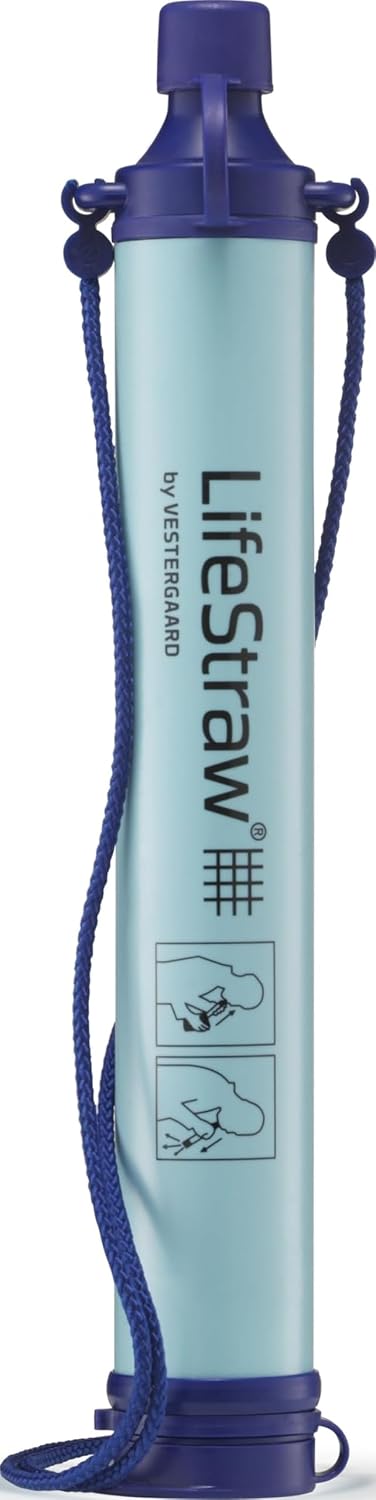
- Carry a basic water treatment option always. Even when you find desert water in a tinaja or subsurface seep, you don't drink it raw. Iodine tablets, a Sawyer Squeeze, or aquatabs weigh ounces and remove the gamble. Finding water is step one. Making it safe is step two. Never skip step two.
- Learn to read plant indicators in your region. The plants that signal water in the Sonoran are different from those in the Chihuahuan or the Great Basin. Regional specificity matters. Get a desert field guide for your area and study it the same way you'd study a tactical manual.
Advanced Level — What Serious Preppers Do Differently
Average preppers learn survival techniques from YouTube. Serious preppers go out and do them. There is an enormous gap between watching someone demonstrate a transpiration bag and having actually built one, timed it, and tasted the result. That gap is the difference between confidence and panic when it counts.
Advanced preppers cross-train in indigenous knowledge. The Tohono O'odham, the Navajo, and the Apache peoples each developed sophisticated, field-tested systems for desert water procurement that modern survivalism is still catching up to. Books like Tom Brown Jr.'s Field Guide to Nature Observation and Tracking and resources from the Aboriginal Studies department at any Southwestern university will take your knowledge to a level most preppers never reach.
Serious preppers also practice water discipline — understanding that finding water is only half the battle. Managing sweat rate by traveling at dawn and dusk, wearing loose long sleeves to reduce evaporative loss, and never rationing water (drink when you can, move when it's cool) are tactical decisions that double your survival window before you ever need to dig an arroyo.
Finally, advanced preppers build route knowledge. They've pre-walked their bug-out terrain in moderate conditions, identified water sources personally, and noted which were reliable versus seasonal. They don't trust someone else's map. They've verified it themselves.

Your Action Plan — What to Do in the Next 30 Days
- Days 1–5: Pull up your bug-out route on a topo map and identify every drainage, canyon, and low point within two miles of your path. Download or print these maps. Mark three probable water source zones.
- Days 6–10: Build a transpiration bag in your backyard or a local park with vegetation. Time it. Measure output. Make the failure happen at home, not in the field.
- Days 11–15: Add four clear 2-gallon plastic bags, a compact trowel, and water purification tablets to every vehicle kit and bug-out bag you own. No exceptions.
- Days 16–22: Get a regional desert survival or plant identification guide. Read the water sections. Identify the five key indicator plants for your region by name and appearance.
- Days 23–30: Take a day field trip into desert terrain with a partner. Practice reading terrain for water indicators. Find a wash. Dig. Look for tinajas. Build a basic solar still site. Do not wait for an emergency to be a student.
The Bottom Line on Self-Reliance
Technology fails. Batteries die. Filters get left behind. The one thing no scenario can strip from you is what you've burned into your mind through practice and deliberate study. The preppers who survive desert crises are not the ones with the best gear — they're the ones who learned to see what the land was offering and had the discipline to act on it. Your family is counting on you to be that person. Not someday. Now.
🛒 Essential Survival Gear
As an Amazon Associate I earn from qualifying purchases.