**Your Bug Out Bag Will Get You Killed: The 10 Most Common Mistakes That Leave Families Stranded**

The Reality Most People Ignore
Picture this: it's 2 a.m., a wildfire is cresting the ridge two miles from your home, emergency alerts are screaming on every phone in the house, and you have fifteen minutes to get your family out. You grab the bag you packed eighteen months ago, throw it in the truck, and drive. Two hours later, you're at a highway rest stop realizing your water filter is cracked, your food is expired, and you have no cash, no map, and no plan beyond "get out." That is not a survival story. That is a cautionary tale — and it happens to otherwise smart, well-meaning people every single time a real disaster strikes.
The bug out bag is the cornerstone of any serious emergency preparedness plan. But the hard truth is that most bug out bags are a false sense of security packed into a bag. They look good on a shelf. They photograph well for Instagram. They will absolutely fail you when it counts. Let's tear that apart and fix it — right now.
The 10 Most Common Bug Out Bag Mistakes
These aren't edge cases. These are the mistakes that show up again and again when real preppers audit their own kits or help neighbors who waited too long to get serious.
- Mistake #1: Packing for a Fantasy, Not Your Reality. Most people build their bag based on YouTube videos and gear lists designed for a solo 25-year-old hiking the Appalachian Trail. If you have a toddler, a 60-year-old parent, or a family member with a medical condition, your bag needs to reflect that. A 72-hour kit for a family of four with an infant looks nothing like a single adult's setup. Build for the people you're actually protecting.
- Mistake #2: Overpacking Until the Bag is Immovable. The number one sin of the beginner prepper — a 65-pound bag that feels fine in your living room and destroys your knees after two miles on uneven ground. A realistic bug out bag for an adult should weigh between 25 and 35 pounds maximum. If you can't carry it at a sustained pace for 10 miles, it's not a survival bag. It's an anchor. Strip it down. Prioritize. Every ounce must earn its place.
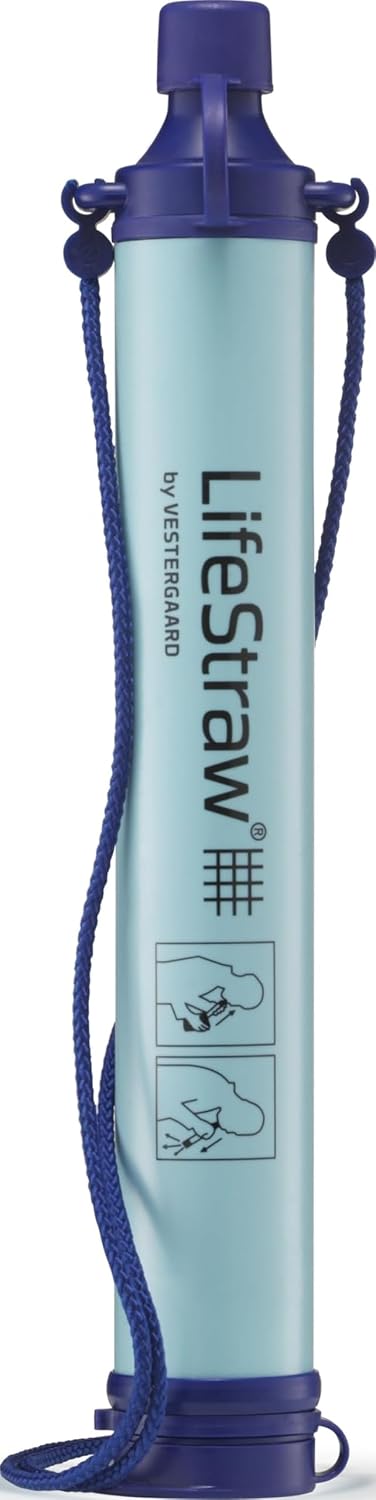
- Mistake #3: No Water or a Broken Water Plan. Three days without water and your decision-making collapses. Three to five days and you're in organ failure territory. Yet most bags have either no water filtration, a single cheap filter that's never been tested, or bottled water that adds crushing weight. The correct approach is layered: carry 1–2 liters of water on your person, pack a quality inline or squeeze filter like a Sawyer Squeeze, and include water purification tablets as a backup. Test your filter before your life depends on it.
- Mistake #4: Food That Nobody Can or Will Eat. Freeze-dried meals with no pot. Energy bars that trigger a family member's allergy. Five-year-old granola that crumbles into dust. Your food plan needs to be realistic, calorie-dense, and require minimal preparation. Aim for 1,500 to 2,000 calories per person per day. Pemmican, hard cheese, jerky, nut butter packets, and compact emergency ration bars are your friends. If your food requires a stove, make sure you have fuel for it.
- Mistake #5: Zero Navigation Capability. Your phone dies. Cell towers are down. You're on a back road you've never driven in the dark. Can you navigate? Most people cannot. Your bug out bag must include a physical topographic map of your region, a quality baseplate compass like a Suunto A-10, and — critically — the skill to use both. A compass in the hands of someone who's never practiced land navigation is decoration. Practice now, not during the crisis.
- Mistake #6: No Cash and No Copies of Critical Documents. ATMs go offline. Card readers fail. In the first 24 hours of a regional disaster, cash is king. Keep a minimum of $200–$500 in small bills in a waterproof bag inside your kit. Add laminated or waterproof copies of your driver's license, passport, insurance cards, medical records, and property documents. A USB drive with digital copies stored in a waterproof case adds another layer. This one costs almost nothing and could mean everything.
- Mistake #7: Inadequate or Untested Shelter Options. Hypothermia kills more people in survival situations than almost any other factor — even in mild climates. A single emergency Mylar blanket is not a shelter plan. You need a lightweight tarp or bivy, 50 feet of paracord, and the knowledge to deploy them in under ten minutes in the dark. Practice pitching your shelter system in your backyard at night before you ever need it in the field.
- Mistake #8: A First Aid Kit With No First Aid Training. A trauma kit stuffed with supplies you've never touched is barely better than nothing. At minimum, every adult in your household should complete a Stop the Bleed course and a basic wilderness first aid class. Your kit should include a tourniquet (CAT or SOFTT-W), hemostatic gauze, compression bandages, a chest seal, a SAM splint, and any prescription medications your family needs for a minimum of 30 days. Know how to use every single item.
- Mistake #9: Ignoring Communication. In a grid-down scenario, information is survival. You need to know where to go, what roads are open, and whether the threat is moving. A battery-powered or hand-crank NOAA weather radio is non-negotiable. Consider adding a pair of FRS/GMRS radios for family communication, and if you're serious, look into a HAM radio license for long-range capability. Not knowing what's happening around you is how families make fatal wrong turns.
- Mistake #10: Never Actually Testing the Bag. This is the biggest mistake of all. If you have never loaded your full bag, laced up your boots, and walked five miles with your family — you do not have a bug out plan. You have a shopping list. A bug out bag that hasn't been tested is a bag full of assumptions. Gear fails. Straps dig. Shoes blister. Kids slow down. You need to discover these problems during a Saturday morning drill, not when you have twelve minutes to evacuate ahead of a flood.

Building This Into Your Prep Plan
Fixing these mistakes isn't a weekend project — it's a systematic process. Start by pulling everything out of your current bag and auditing it against this list with brutal honesty. Weigh each item. Check every expiration date. Test every piece of gear. Then rebuild from the ground up using your actual family's needs as the filter for every decision.
Assign roles. If you have a partner, one person carries the primary shelter and navigation gear; the other carries food, water filtration, and the first aid kit. Older children can carry their own small pack with their sleeping bag, a change of clothes, and snacks. This distributes weight, builds buy-in, and ensures that if someone gets separated, they still have some capability. No single point of failure.
Store your bag in a location that allows you to grab it in under 60 seconds during any emergency — not buried in a closet behind holiday decorations. Keep it at a consistent temperature. Check it every six months on a fixed date. Make this a ritual, not a reaction.
Advanced Level — What Serious Preppers Do Differently
Serious preppers don't just build a bag. They build a layered evacuation system. That means a primary bug out location (BOL) identified and stocked in advance — a family member's property, a piece of land, or a pre-arranged mutual aid location. It means two or three alternate routes mapped and driven in advance, including back roads and off-grid paths. It means a vehicle that's kept above half a tank of fuel at all times and a secondary cache of supplies staged at the halfway point.
Advanced preppers also train continuously. They take wilderness first aid courses, they practice fire starting in wet conditions, they spend nights in the woods to normalize discomfort, and they run family drills — not just once, but regularly. They understand that gear is the smallest part of survival. Skills, fitness, and mindset are what actually keep families alive.

Your Action Plan — What to Do in the Next 30 Days
- Week 1: Pull out your current bag and do a full audit. Weigh it. Check expiration dates on food, water, and medications. Identify and document every gap you find.
- Week 2: Fix your water plan. Purchase or replace your filtration system. Pack water purification tablets as backup. Practice using your filter at home.
- Week 3: Address navigation and communication. Buy a paper topographic map of your region, a quality compass, and practice taking a bearing in your neighborhood. Add a NOAA hand-crank radio to the kit.
- Week 4: Do a full family load-out drill. Pack the bags, put on the boots, and walk a minimum of three miles together. Note what failed, what caused discomfort, and what your family struggled with. Adjust accordingly.
- Ongoing: Sign up for a Stop the Bleed or wilderness first aid course. Identify your bug out location. Begin building your skill set — not just your gear collection.
The Bottom Line
Self-reliance is not a hobby. It is a commitment — to your family, to your community, and to the principle that when things fall apart, you will not be standing there waiting for someone else to save you. The people who survive real disasters are not the ones with the fanciest gear. They are the ones who prepared honestly, trained consistently, and refused to lie to themselves about their readiness. Fix your bag. Build your skills. Test your plan. Your family is counting on you to get this right — and the time to get it right is right now, while the lights are still on.
🛒 Essential Survival Gear
As an Amazon Associate I earn from qualifying purchases.