**Your Bug Out Bag Is Probably Going to Get You Killed: The 10 Most Common Mistakes Preppers Make**

The Hard Truth Nobody Wants to Hear
Most bug out bags are a fantasy wrapped in nylon and false confidence. You packed it, you zipped it up, you set it by the door — and you told yourself you were ready. But when the wildfire jumps the ridge at 2 a.m., when the floodwaters cut off the road, when the grid goes dark and doesn't come back, that bag sitting in your closet becomes the difference between your family making it out or not. The stakes are not hypothetical. They are happening to real families in real places right now. The question is whether you've built a system that actually works — or just a bag full of Amazon wishlist items and wishful thinking.
The Reality Most People Ignore
The survival industry sells comfort. Shiny gear, multi-tools that promise to do seventeen things adequately and none of them well, freeze-dried meals that cost a fortune and require precious water to prepare. Most preppers build their bug out bag based on what looks good in a YouTube video rather than what functions under real duress, real weather, real exhaustion, and real fear.
Here's what actual emergency data tells us: when people are forced to evacuate — whether from hurricanes, wildfires, civil unrest, or infrastructure collapse — the majority are moving on foot or in vehicles for 24 to 72 hours before reaching safety or a secondary location. That is your operational window. Your bag needs to support that window ruthlessly and efficiently. Not six months of wilderness survival. Not a zombie apocalypse fantasy. Seventy-two hours of hard movement with a family who may be scared, cold, hungry, and relying entirely on your judgment.
Stop building a bag for the apocalypse you imagined. Start building one for the emergency that is statistically most likely to hit your specific region.

The 10 Most Common Bug Out Bag Mistakes — Broken Down
Mistake 1: The Bag Is Too Heavy
The golden rule is 15–20% of your body weight maximum — and that's for a fit, trained adult. Most people pack 50–60 pounds into a bag they've never worn more than a mile. Under stress, in poor weather, on uneven terrain with a child on your hip, that bag becomes a liability. Audit every single item by weight. If you can't justify it in one sentence, pull it out.
Mistake 2: Gear With No Skills to Back It Up
A fire-starting kit is useless if you've never practiced building a fire in the rain with cold hands. A tourniquet means nothing if you've never applied one under pressure. Gear is the last 20% — skills are the first 80%. Your bag should reflect what you can actually execute, not what you hope to figure out in a crisis. Take a Stop the Bleed course. Practice your water filtration system in your backyard. Learn your navigation tools before you need them.
Mistake 3: No Realistic Water Plan
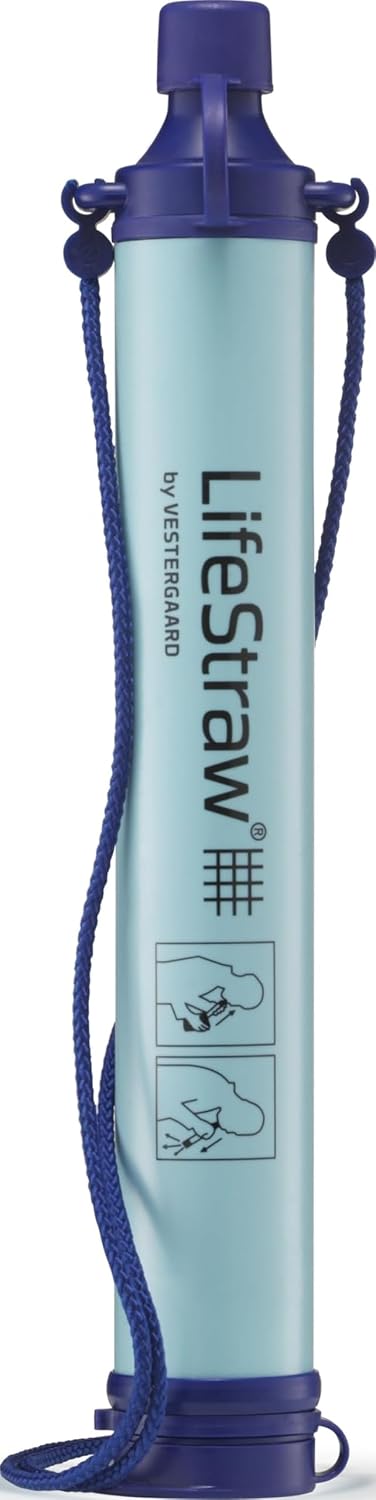
People pack one water bottle and call it done. Water is your highest priority and your heaviest supply problem. You need a minimum of one liter of clean water available at all times, plus a reliable filtration method — a quality hollow fiber filter like a Sawyer Squeeze or a LifeStraw with backup purification tablets. Know your route and pre-identify water sources along it. This takes planning, not just purchasing.
Mistake 4: Food That Doesn't Match Your Situation
Energy bars that melt in summer heat, freeze-dried meals that require hot water you may not have, MREs that weigh your bag down unnecessarily. Think calorie-dense, no-prep, high-energy food: nut butters, jerky, hard cheeses, compressed survival bars. Also consider medical needs — a diabetic family member cannot eat the same emergency food as everyone else. Build your food supply around your actual family, not a generic survival template.
Mistake 5: No Paper Maps or Navigation Tools
Your phone dies. The cell network goes down. Your GPS loses signal in a canyon or urban canyon environment. And suddenly you are lost in a situation where being lost can cost lives. Every bug out bag needs a paper topographic map of your region, a quality baseplate compass, and — critically — the practiced ability to use both together. Digital backups are fine as redundancy. They are not a primary navigation system.
Mistake 6: Inadequate Shelter and Thermal Protection
Hypothermia kills more people in survival situations than almost any other cause — and it happens at temperatures as mild as 50°F when a person is wet and exposed. Your bag should contain at minimum a quality emergency bivy or lightweight tarp, paracord, and enough insulation layers to survive the worst weather your region can produce in any season. A Mylar emergency blanket is a backup — not a shelter system.
Mistake 7: No Communication Plan or Tools
Everyone in your family needs to know the meeting point, the rally location, and the backup rally location — memorized, not saved in a phone. Beyond that, your bag should contain a battery-powered or hand-crank weather radio to receive emergency broadcasts, and serious preppers carry a handheld ham radio or FRS/GMRS walkie-talkies for family coordination. Silence in a crisis is dangerous. Communication saves lives.
Mistake 8: Neglecting the First Aid and Medical Layer
A basic first aid kit with Band-Aids and aspirin is not a trauma kit. When you are moving through a collapse scenario — vehicle accidents, lacerations, sprains, cardiac events — you need real capability. At minimum: a CAT tourniquet, hemostatic gauze, chest seals, a SAM splint, and a comprehensive trauma bandage. Plus a full 30-day supply of any prescription medications your family depends on. Know what's in your kit and how to use every single item.
Mistake 9: Building One Bag Instead of a System
Your bug out bag is not your only layer — it's one component of a broader system. You need a get-home bag in your vehicle for the scenario where you're away from home when disaster strikes. You need a 72-hour kit staged in your home. You need a cache location or secondary supplies at your bug out destination. One bag packed with everything is a failure of systems thinking. Build layers, not a single point of failure.
Mistake 10: Never Testing the Bag Under Real Conditions
This is the one that exposes every other mistake. Most bug out bags have never been worn, loaded, and tested over a full day of movement in real weather. Organize a family bug out drill. Load the bags. Walk a few miles on the actual route you'd use. Cook a meal from your food supply. Filter water from an actual source. What fails, what's missing, what causes blisters, what's too heavy — you will learn more in four hours of real testing than in four years of reading gear reviews.
Building This Into Your Prep Plan
Fixing your bug out bag isn't a single Saturday project. It's a continuous improvement cycle that mirrors how military and emergency professionals approach readiness. Here is a framework to work from:
- Audit first, buy second. Lay everything out. Weigh it. Document it. Identify what you actually know how to use versus what you packed hoping you'd never need to figure out.
- Assign roles by family member. Children as young as six can carry a small pack with their own snacks, water, and comfort items. Weight distribution is a family strategy, not a solo problem.
- Seasonalize your bag. What works in July does not work in January. Schedule a seasonal review — swap out clothing layers, check expiration dates on food and medication, test batteries, and update your paper maps if your route has changed.
- Pre-identify your route. Drive it. Walk portions of it. Know where the bridges are, which roads flood, which areas go into gridlock during evacuations. Build primary and alternate routes into your plan.

Advanced Level — What Serious Preppers Do Differently
If you've addressed the ten mistakes above and you're ready to move to the next level, here is what truly prepared people are doing that the average prepper is not:
- They have a fully stocked bug out location. Not just a destination — an actual secondary position with food, water, fuel, medical supplies, and shelter pre-staged. A cabin, a trusted family member's rural property, a storage unit outside the city. The bag gets you there. The location sustains you.
- They train with their gear physically. Regular rucking — loaded walks with the actual bag — keeps them conditioned to move under weight. Emergency situations are physically demanding. Fitness is preparedness.
- They have redundant communication. Ham radio licenses, Garmin inReach satellite communicators for off-grid contact, and family communication trees that don't depend on cell infrastructure.
- They've addressed self-defense realistically. Not fear-based — realistic. Knowing how to protect your family on the road during a collapse scenario requires training, legal knowledge, and the right tools for your situation and jurisdiction.
- They practice without electricity. Quarterly 72-hour blackout drills where the whole family operates without grid power, using only their preps. This surfaces gaps faster than any gear review ever will.
Your Action Plan — What to Do in the Next 30 Days
Don't wait for the perfect moment. The moment is now. Here is your 30-day bug out bag correction plan:
- Week 1: Full audit. Lay out your bag, weigh it, document every item. Pull anything you cannot use proficiently. Identify your three most critical gaps.
- Week 2: Skill focus. Pick one skill your bag requires and actually practice it. Build a fire. Filter water. Apply a tourniquet. Do it until it's automatic, not awkward.
- Week 3: Route planning. Drive your primary and alternate bug out routes. Mark water sources, rest points, and potential danger areas. Print and laminate paper maps. Confirm your bug out destination is viable.
- Week 4: Full family drill. Load the bags. Move. Test the food. Test the shelter. Identify every problem. Fix it before it matters.
Set a calendar reminder to repeat this cycle every six months. Preparedness is not a destination — it is a practice.
The Bottom Line
No one is coming to save you in the first 72 hours. Not FEMA, not local authorities, not anyone. The cold reality of every major disaster in modern history — Katrina, Paradise, Hurricane Ian, the Texas grid collapse — is that the families who made it out intact were the ones who had already done the hard work before the emergency arrived. Your bug out bag is not a symbol of preparedness. It is a tool. Build it like a tool. Test it like a tool. Train with it until carrying it is second nature and using everything in it is instinct. Your family is counting on you to be right — not optimistic, not well-intentioned, not almost ready. Right. That starts tonight.
🛒 Essential Survival Gear
As an Amazon Associate I earn from qualifying purchases.