Wound Infection in the Field: How to Recognize It, Treat It, and Keep It From Killing You When Help Is Hours Away

The Reality Most People Ignore
A man survives a vehicle rollover in a remote area. He walks away with a deep laceration on his forearm — painful, but manageable. He cleans it up as best he can, wraps it tight, and keeps moving. Three days later, he's feverish, delirious, and barely able to walk. The wound that didn't kill him on day one is killing him on day four. This is not a rare story. This is what happens when good people with no medical training underestimate what a simple infection can do to the human body without modern intervention.
In a grid-down scenario, a natural disaster, or even a backcountry accident, infection is not a complication — it is the threat. Every serious prepper needs to understand wound infection the way they understand firearm safety or water filtration: as a non-negotiable survival skill with real, life-or-death consequences.
The Reality Most People Ignore
Let's be blunt: the average prepper has a solid trauma kit and zero knowledge of what happens after the bleeding stops. They've practiced tourniquet application, maybe even practiced suturing on a foam pad. But infection management? That's where the training falls off a cliff — and that gap will get people killed in a prolonged emergency.
Here's the hard truth: bacteria don't care about your preps. A wound that looks clean on day one can be harboring Staphylococcus aureus, Streptococcus, or even anaerobic bacteria like Clostridium — the kind responsible for gas gangrene. Without antibiotics and proper wound care, these organisms multiply rapidly. What starts as a minor cut can escalate to cellulitis, then abscess, then septicemia — blood poisoning — within 72 hours under the wrong conditions.
The conditions most likely during a SHTF event — poor hygiene, contaminated water, physical stress, poor nutrition, and limited medical access — are exactly the conditions that accelerate infection. You cannot afford to be ignorant about this. Your family cannot afford it either.

Core Principles and Knowledge Breakdown
Before you can treat infection, you need to recognize it. Here is what you are looking for, broken into early, mid, and late-stage warning signs:
- Early Stage (24–48 hours): Increased redness around the wound margins, warmth to the touch, mild swelling, and pain that worsens rather than improving. This is your window. Act here.
- Mid Stage (48–96 hours): Pus or discharge (yellow, green, or brown), wound edges pulling apart or appearing necrotic, red streaking radiating outward from the wound, swollen lymph nodes, low-grade fever (99–101°F). This is serious. Treatment must be aggressive.
- Late Stage (96+ hours without treatment): High fever (102°F+), chills, rapid heart rate, confusion or altered mental status, spreading red streaks reaching toward the torso, foul odor, and visible tissue death. This is a life-threatening emergency. Evacuation is the only option if it's available.
Now let's talk treatment. In a field or grid-down environment, your priorities are:
- Irrigation: This is the most underrated wound care tool you have. Flush the wound aggressively with clean water — ideally using a syringe to create pressure. A 60ml irrigation syringe with an 18-gauge tip creates enough pressure to dislodge debris and reduce bacterial load. You want to use at least 500ml of clean, ideally sterile, water per flush session. Do this every 8–12 hours.
- Debridement: Dead tissue is a breeding ground. If you have the skill, remove necrotic tissue with clean instruments. This is painful and requires training — do not improvise without it. But understand: leaving dead tissue in a wound is leaving fuel for bacteria.
- Wound packing (if infected): Do NOT close an infected wound. Pack it open with sterile gauze dampened with saline or a dilute betadine solution. This allows drainage and prevents anaerobic conditions.
- Antiseptic application: Diluted povidone-iodine (10:1 water to betadine), honey (raw Manuka honey has genuine antimicrobial properties), or silver-based wound dressings are your best field options. Avoid full-strength hydrogen peroxide — it damages healthy tissue.
- Antibiotics: In a true grid-down scenario, oral antibiotics are your most powerful tool. Amoxicillin-clavulanate or doxycycline cover a broad spectrum. Without a prescription, fish antibiotics containing identical compounds have been stockpiled by many serious preppers — this is a controversial topic that warrants your own research and consultation with a physician now, before you need them.
Watch for red streaking moving up a limb. This is lymphangitis — the infection is spreading systemically. This is a medical emergency requiring IV antibiotics if at all possible. Do not ignore this sign.
Building This Into Your Prep Plan
Knowledge without supplies is wishful thinking. Your medical kit needs to be built for infection management, not just trauma control. Most commercial kits are trauma-focused. You need to supplement them deliberately.
- 60ml irrigation syringe with 18-gauge tip
- Sterile saline solution — multiple bags
- Povidone-iodine solution (not scrub)
- Raw Manuka honey (UMF 10+ or higher) — stored sealed
- Silver-impregnated wound dressings (Mepilex Ag or equivalent)
- Sterile packing gauze — not plain gauze, iodoform packing gauze if possible
- Nitrile gloves in multiple sizes
- A digital thermometer — don't underestimate this tool
- Oral broad-spectrum antibiotics — discuss with your physician and build a legitimate prescription supply if possible
- A laminated wound infection reference card you made yourself
Build a binder or laminated reference guide with dosing charts, infection progression photos, and decision trees. When you're stressed, sleep-deprived, and scared, you will not remember everything. The paper will.

Advanced Level — What Serious Preppers Do Differently
The gap between an average prepper and an elite prepper on medical preparedness comes down to one thing: trained hands, not just stocked shelves.
Serious preppers take Wilderness First Responder (WFR) courses — an 8–10 day intensive that covers extended patient care, wound management, and evacuation decisions. This is the single highest-value medical training investment you can make. It is not cheap and it is not easy. It is absolutely worth it.
They also build relationships with medical professionals in their community — preppers who happen to be nurses, paramedics, veterinarians, or physicians. In a collapse scenario, your network is your hospital. Know who in your group has medical skills before you need them.
Advanced preppers also practice scenario-based drills. They present their partner or team with a simulated wound description and run through the assessment and treatment protocol out loud. Muscle memory for medical response is built the same way it's built for any other skill — repetition under simulated stress.
Finally, they understand the role of nutrition in healing. A body that is protein-deficient, dehydrated, or vitamin C depleted heals at a fraction of the normal rate. Collagen synthesis — the foundation of wound repair — requires adequate protein and vitamin C. Your food storage should reflect this knowledge.
Your Action Plan — What to Do in the Next 30 Days
- Week 1: Audit your current medical kit. Write down every gap between what you have and the infection management supply list above. Order what's missing.
- Week 2: Research and register for a Wilderness First Aid or Wilderness First Responder course in your area. If courses are months out, buy a quality field medicine manual — Wilderness Medicine by Paul Auerbach is the gold standard — and begin reading the wound care chapters.
- Week 3: Have a conversation with your physician about antibiotic preparedness. Ask directly about stockpiling a course of broad-spectrum antibiotics for emergency use. A prepared doctor will respect the question.
- Week 4: Run a tabletop drill with your family or group. Present a wound infection scenario and walk through recognition, treatment decision-making, and escalation criteria together. Make it real. Time pressure. Stress. Learn where the gaps are.
Thirty days from now, you can be meaningfully more capable than you are today. Or you can forget you read this and stay exactly where you are. The choice, as always, is yours.
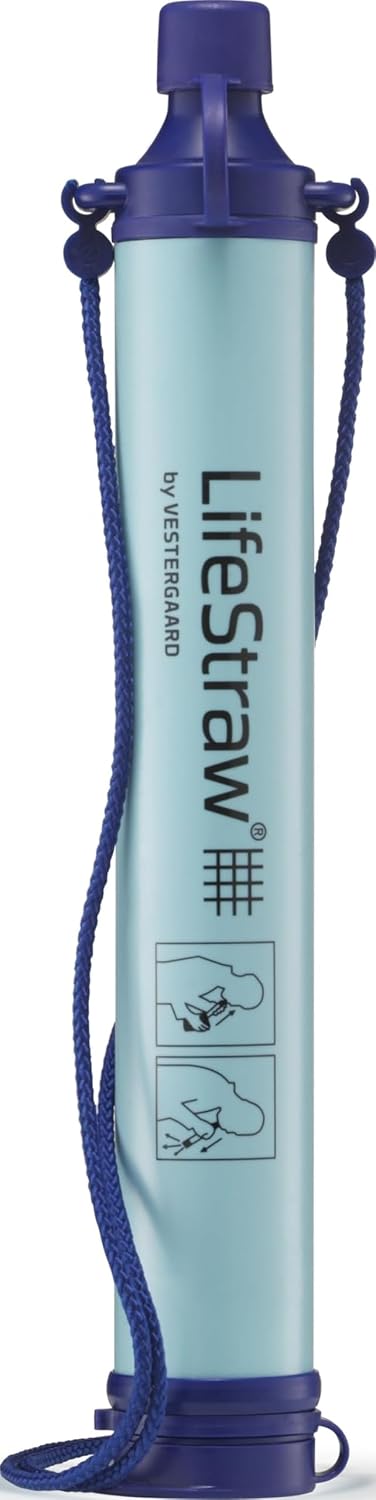
🛒 Essential Survival Gear
As an Amazon Associate I earn from qualifying purchases.