**When the Pharmacy Is Gone: Treating Water-Borne Illness Without Medication**

The Reality Most People Ignore
Picture this: It's day six after a major grid-down event. The municipal water system has been offline for four days. Your neighbor's kid started vomiting yesterday. This morning, two people in your group can't keep water down. You're watching dehydration set in — fast — and the nearest pharmacy is either closed, looted, or a three-day walk away. This is not a hypothetical. This is the scenario that has killed more people in disaster zones than bullets, fire, or exposure combined. Water-borne illness is the silent predator that serious preppers refuse to underestimate.
The hard truth is this: the vast majority of preppers have stockpiled guns, ammo, freeze-dried food, and maybe a water filter — but they have done almost nothing to prepare for what happens after someone in their group gets sick from contaminated water. That gap in your prep plan could be the thing that breaks your family when the pressure is highest.
The Reality Most People Ignore
Water-borne illness is one of the leading causes of death in disaster scenarios worldwide. When infrastructure collapses — whether from hurricanes, earthquakes, prolonged grid failure, or societal breakdown — clean water disappears faster than most people expect. And when people start drinking from questionable sources, the pathogens follow almost immediately.
The most common culprits you'll face in a true survival situation include:
- Giardia lamblia — A parasitic infection causing severe cramping, diarrhea, bloating, and fatigue. It can persist for weeks without treatment.
- Cryptosporidium — Highly chlorine-resistant, this protozoan causes profuse watery diarrhea and can be life-threatening for children, the elderly, and the immunocompromised.
- Cholera (Vibrio cholerae) — In true SHTF scenarios, especially in warm climates or refugee-type conditions, cholera spreads rapidly and kills through extreme dehydration within hours.
- E. coli and Salmonella — Bacterial infections from fecal contamination. Common, painful, and potentially serious.
- Hepatitis A — Viral, spreads through contaminated water and food. Causes liver damage, jaundice, and long-term weakness.
Here's what most people don't want to hear: even a good filter doesn't guarantee safety. Filters can fail. They can be improperly maintained. Someone can cross-contaminate a clean water supply through poor hygiene. Your prep plan must account for the possibility that someone will get sick — and you need to be ready to act without running to a hospital.

Core Principles and Knowledge Breakdown
Before we get into treatment protocols, you need to understand the foundational principle that will save lives: the number one killer in water-borne illness is not the pathogen itself — it's the dehydration caused by the body's response to it. Vomiting and diarrhea strip the body of water and electrolytes at a terrifying rate. Your primary mission is to replace those fluids faster than the body loses them.
Oral Rehydration Therapy (ORT) — Your Most Powerful Non-Medication Tool
Oral Rehydration Therapy is a WHO-recognized, field-proven treatment used across the developing world. It doesn't require a prescription. It doesn't require electricity. It requires knowledge and basic supplies. The standard ORT formula is simple:
- 1 liter of clean water (boiled and cooled or properly filtered)
- 6 level teaspoons of sugar
- ½ teaspoon of salt
This solution replaces sodium and glucose in a ratio that allows the gut to absorb fluid even when inflamed. It's not a cure — but it keeps people alive long enough for the body to fight back. Administer small sips every few minutes. Do not force large amounts at once, as this can trigger more vomiting. For children, use a teaspoon every 1-2 minutes if needed. This is not optional knowledge. This is life-saving knowledge.

Natural and Herbal Interventions That Have Real Evidence Behind Them
This is where things get serious. Modern medicine is incredible — but humans survived water-borne illness for thousands of years before antibiotics existed. There is a body of evidence, both traditional and increasingly clinical, behind certain natural treatments. Know these:
- Activated Charcoal — Highly effective at binding bacterial toxins in the gut before they're absorbed. Not effective against all pathogens, but reduces toxin load significantly. Dosage: 1g per kg of body weight in the first hours after exposure or onset of symptoms. Store this in your medical kit — no serious prepper's first aid supplies should be without it.
- Colloidal Silver — Controversial in mainstream medicine but used by serious preppers for its antimicrobial properties. Keep a quality preparation and know the proper dosage. This is for situations where you have no other options.
- Oregano Oil — Contains carvacrol and thymol, compounds with demonstrated antibacterial and antiparasitic properties. Used in folk medicine for gut infections for centuries. Not a silver bullet, but a real tool.
- Ginger Root — Anti-nausea, anti-inflammatory, and antimicrobial. Fresh ginger tea is something you can make in any survival scenario and it genuinely reduces vomiting and cramping.
- Garlic — Allicin, the active compound in raw crushed garlic, has broad-spectrum antimicrobial activity. Raw garlic consumption — not capsules, but actual crushed raw garlic — has been used across cultures for gut infections for millennia.
- Probiotics — Restoring gut flora is critical after a water-borne illness. Fermented foods like sauerkraut, kimchi, and yogurt all help reestablish healthy gut bacteria. Store probiotic capsules in your long-term supplies.
The Three-Phase Treatment Approach
- Phase 1 — Immediate response (hours 0–6): Isolate the sick person from food preparation. Begin ORT immediately. Administer activated charcoal if vomiting is not so severe it would be expelled. Rest and warmth are critical.
- Phase 2 — Stabilization (hours 6–72): Continue ORT on a schedule. Introduce ginger tea and light broth. Monitor for signs of severe dehydration — dry mouth, no urination for 8+ hours, confusion, or rapid heart rate. These are emergency signs requiring escalation.
- Phase 3 — Recovery (days 3–10): Begin introducing the BRAT diet — Bananas, Rice, Applesauce, Toast. These are gentle on the gut, provide energy, and help firm stools. Introduce probiotics. Slowly resume normal food as tolerated.
Building This Into Your Prep Plan
Knowledge without preparation is just trivia. Here's how you actually build water-borne illness treatment into your prepper infrastructure:
Medical Kit Additions: Every prepper's medical kit should contain the following specifically for water-borne illness response:
- Activated charcoal capsules (minimum 100-count bottle per person)
- Oral rehydration salts (ORS packets) — commercially prepared versions from companies like Pedialyte powder or DripDrop are excellent backups
- Probiotic capsules — refrigeration-free varieties rated for extended shelf life
- Oregano oil capsules
- Written ORT recipe laminated and stored with your kit
Water Safety Layering: Prevention is always the first line of defense. Your water purification system should be multi-layered:
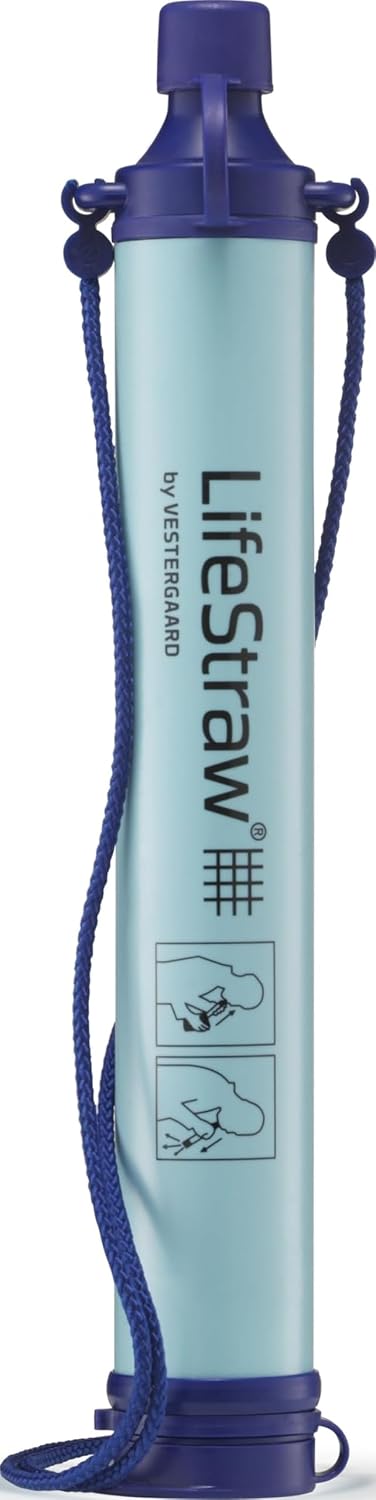
- Mechanical filtration (Sawyer Squeeze, Berkey system, or similar)
- Chemical treatment backup (iodine tablets, sodium hypochlorite / unscented bleach)
- Boiling as the final kill step for protozoa like Cryptosporidium that resist chemical treatment
- UV purification pen (SteriPen) for rapid pathogen destruction
Sanitation Protocols: This is where most groups fall apart under pressure. Establish non-negotiable hygiene rules in your group now, before a crisis. Hand washing with soap after latrine use and before food handling is the single most important contamination prevention measure. Period. Build a handwashing station into your base camp or homestead setup using a simple camp sink and a bar of soap.
Advanced Level — What Serious Preppers Do Differently
The average prepper stops at ORT packets and a water filter. Serious preppers go deeper. Here's what separates the truly prepared from the people who think they're prepared:
They know how to identify severity: Mild diarrhea is manageable. Cholera-like rice-water stools, blood in the stool, high fever combined with diarrhea, or neurological symptoms indicate a life-threatening situation. Serious preppers know where the line is and have an escalation plan — including when to attempt a dangerous move to a medical facility versus treating in place.
They train, not just stock: Serious preppers take Wilderness First Responder (WFR) or at minimum a Wilderness First Aid (WFA) course. These programs specifically cover waterborne illness triage, dehydration assessment, and improvised treatment. The knowledge doesn't expire. The gear might.
They grow their own medicine: Ginger, garlic, and oregano can all be grown in a garden or even in pots indoors. Serious homesteaders and preppers maintain a medicinal herb garden specifically for scenarios where supply chains are gone. This is not fringe herbalism — this is practical redundancy.
They build a community medical role: In a group or community survival scenario, one person should have advanced medical training and be the designated medical officer. That person should have a comprehensive field medicine manual — specifically the Wilderness Medicine textbook by Auerbach or the Merck Manual in a waterproof case — and be cross-training others in basic illness management.
They practice field sanitation now: Camping trips and homesteading weekends are training opportunities. Practice building a latrine properly — at least 200 feet from water sources, 6–8 inches deep for cat-hole style or a proper slit trench for group use. Practice handwashing discipline in the field. These habits need to be automatic, not remembered under stress.
Your Action Plan — What to Do in the Next 30 Days
Information is worthless without execution. Here is your 30-day action plan, broken into concrete steps:
- Week 1 — Assess and acquire: Audit your current medical kit for the items listed above. Order activated charcoal capsules, ORS packets, and probiotics. Print and laminate the ORT recipe. Store it with your first aid kit and also post it inside a cabinet in your bug-out location or home prep area.
- Week 2 — Water system audit: Test your current water purification setup. Run water through your filter, treat with your backup chemical method, and then boil a sample. Confirm you have the ability to make safe water from a questionable source using three independent methods. Replace any expired chemical treatment tablets.
- Week 3 — Train your people: Sit down with your family or group and teach them the ORT formula, the three phases of illness response, and the hygiene protocols. Role-play the scenario. Who administers the ORT? Who handles water? Who is responsible for sanitation? Clear roles reduce panic.
- Week 4 — Plant and practice: Start a pot of ginger or establish a garlic bed if you don't have one. If you can afford it, register for a Wilderness First Aid course. At minimum, purchase and read a quality field medicine reference. Take your family camping for one weekend and practice field sanitation protocols as a dry run.
Self-reliance is not a weekend hobby. It is a commitment — a promise you make to the people depending on you that when the system fails, you will not. Water-borne illness will not announce itself. It will not wait for you to be ready. But if you build this knowledge into your body, your supplies, and your group right now, you give your family something most people in a crisis won't have: a fighting chance backed by real preparation. That is what we do here. That is who we are. Get to work.
🛒 Essential Survival Gear
As an Amazon Associate I earn from qualifying purchases.