When the Ground Shakes and the Sky Turns Green: The Complete Natural Disaster Prep Guide Serious Preppers Can't Ignore

The Reality Most People Ignore
It's 2:47 AM. The house starts shaking violently, dishes crash from shelves, your kids are screaming from their rooms, and the power is already gone. Or maybe it's not an earthquake — maybe it's the roar of a tornado that gave you thirty seconds of warning, or floodwater creeping under your front door faster than you ever thought possible. This is not a hypothetical. This is what happened to real families in Joplin in 2011, in New Orleans in 2005, in Northridge in 1994, and in dozens of communities every single year across this country.
Here's the hard truth that most people refuse to accept: FEMA's response window is 72 hours minimum — and in major disasters, it's often 7 to 14 days before meaningful help arrives. After Hurricane Katrina, some residents waited weeks. After the 1994 Northridge earthquake, entire neighborhoods were cut off. The government is not coming to save your family. That responsibility falls on you, and you alone.
The second hard truth? Most people who call themselves preppers are only half-ready. They've got a bag by the door and a few cans of beans in the pantry. That's not preparation — that's theater. True natural disaster readiness means understanding four distinct threat profiles, building layered responses for each, and drilling your household until the right actions become instinct. Let's get into it.
Core Principles and Knowledge Breakdown
Before you buy a single piece of gear, you need to understand the tactical reality of each major natural disaster. They are not the same. They have different warning timelines, different immediate threats, and different survival priorities. Treating them all the same is how people die.
Earthquakes — Zero Warning, Maximum Chaos
Earthquakes give you no warning. You will not have time to grab your bag, call your family, or make a plan. When the shaking starts, you have seconds. The survival priority cascade goes like this: protect your body from falling objects and structural collapse, then assess injuries, then check for gas leaks and fire, then establish communication and accountability. The classic "Drop, Cover, and Hold On" protocol is still valid — get under a sturdy table or desk, protect your head and neck, and stay put until the shaking stops. After the shaking, assume aftershocks are coming. Doorways are no longer considered the safest spots — that's old science. Solid furniture and interior walls away from windows are your best bets.
Your home itself is a threat in a major seismic event. Water heaters topple and gas lines rupture. Bookshelves become projectiles. Glass shatters across every floor. A serious earthquake prepper has their water heater strapped to the wall, heavy furniture anchored, a gas shutoff wrench mounted next to the meter, and a pair of shoes and a flashlight within arm's reach of every bed.
Hurricanes — Days of Warning, No Excuse for Being Caught Off Guard
Unlike earthquakes, hurricanes give you time — sometimes 3 to 5 days of lead time. That means every death and every crisis caused by being unprepared for a hurricane is a failure of planning, not a failure of luck. The threats are layered: storm surge is the number one killer (not wind), followed by flooding, downed power lines, structural damage, and prolonged grid failure. Know your evacuation zone. Know your route. Have a destination. If you're in a Zone A evacuation area on the coast and you shelter in place, you are gambling with your family's lives.
Hurricane prep has two modes: shelter in place and evacuation. Your plan must account for both, with triggers defined in advance. If the storm is Category 3 or higher and you're within 20 miles of the coast, that should be a hard evacuation trigger. Fuel your vehicles when the storm is still 72 hours out — gas stations run dry fast. Board or shutter your windows. Fill your bathtubs using a WaterBOB insert to create an emergency water reserve. Secure outdoor objects. And understand that post-storm is often the most dangerous period — downed power lines, contaminated floodwater, and mold growth are silent killers.
Tornadoes — Minutes of Warning, Underground is Life
Tornadoes compress your decision timeline dramatically. A well-positioned storm spotter and a good Doppler radar setup might give you 13 to 15 minutes of actionable warning. A sudden formation could give you less than two. Your survival depends entirely on having a pre-drilled response plan and knowing your shelter location before the sirens ever sound. The survival math is brutal and simple: underground beats everything else. A basement or below-ground storm shelter is the gold standard. FEMA-rated safe rooms bolted to your slab are the next best option. Interior rooms on the lowest floor, away from windows, are your last resort.
Tornadoes also teach us the critical lesson of weather awareness. Download the NOAA Weather Radio app. Get a battery-powered or hand-crank NOAA weather radio for your home. Know the difference between a Watch (conditions are favorable) and a Warning (rotation has been spotted or detected). In tornado country, ignorance is not bliss — it's a body bag.
Floods — The Slow Creep and the Sudden Wall
Flooding kills more Americans every year than any other weather-related disaster. It comes in two forms: slow-onset flooding from prolonged rain or dam failure, and flash flooding — the sudden, violent surge that can put 10 feet of water in a dry canyon in under 10 minutes. The number one rule of flood survival is one that too many people ignore: Turn Around, Don't Drown. Six inches of moving water can knock a person down. Two feet can sweep away a vehicle. Attempting to drive through flooded roads is responsible for roughly half of all flood-related deaths.
For slow-onset flooding, your warning window is your greatest asset. Use it to move valuables and documents to upper floors, prepare sandbags, charge all devices, fill water storage, and monitor water levels obsessively. Know your evacuation routes — and know alternate routes, because your primary path may already be underwater.

Building This Into Your Prep Plan
Knowledge is worthless without infrastructure. Here's how to build a real, layered natural disaster prep system for your household:
- 72-Hour Bag Minimum, 14-Day Home Supply Target: Your go-bag handles immediate evacuation. Your home cache handles shelter-in-place scenarios. Water is always the bottleneck — store a minimum of one gallon per person per day, and plan for 14 days. That's 56 gallons for a family of four.
- Threat-Specific Gear: Earthquake kit includes a gas shutoff wrench, pry bar, work gloves, N95 masks for dust, and a fire extinguisher. Hurricane kit includes a WaterBOB, manual can opener, battery bank, tarps, and a marine-grade waterproof bag for documents. Tornado kit centers on your shelter location — keep a helmet, shoes, flashlight, and a whistle in or near your safe room. Flood kit means a life jacket for every family member, a rope throw bag, and waterproof dry bags for documents and electronics.
- Communication Plan: Cell networks collapse in major disasters. Establish an out-of-state contact that all family members check in with — it's often easier to reach someone across the country than across town. Get a pair of FRS/GMRS radios for local family communication. Write down critical numbers on paper — don't rely on your phone's battery and network access.
- Document Preparedness: Store copies of your insurance policies, identification, medical records, and financial documents in a waterproof container or fireproof safe. Photograph every room in your home for insurance purposes and store those images in cloud backup and on a thumb drive stored off-site.
- Household Drills: Run quarterly drills. Practice your earthquake drop-cover-hold sequence. Walk your tornado shelter route in the dark. Know who grabs what and where everyone meets if you're separated when disaster strikes.
Advanced Level — What Serious Preppers Do Differently
The gap between a basic prepper and a serious one isn't just gear — it's depth of thinking and community integration. Here's what separates the truly prepared from the people who think they're prepared:
- They Know Their Ground: Serious preppers have studied topographic maps of their area. They know which roads flood first, where the high ground is, which routes stay passable. They've driven their evacuation routes in both directions and identified fuel stops, alternative shelter locations, and choke points to avoid.
- They Have Redundant Power: A generator is a start. Serious preppers have a generator, a battery backup system, and solar charging capability. They can run critical medical equipment, keep food from spoiling, maintain lighting and communications, and charge devices for weeks without grid power.
- They've Hardened Their Structure: They've had a seismic assessment done on their home. They've anchored everything worth anchoring. They've installed hurricane straps on their roof structure. They've elevated their electrical panel in flood-prone areas. Structural hardening is invisible prep — you don't notice it until everything goes sideways.
- They've Built a Local Network: Your neighbors are one of your greatest survival assets or greatest liabilities. Serious preppers know their neighbors, have coordinated basic mutual aid plans, and have identified who has useful skills — medical, mechanical, construction, security. In a prolonged disaster, a prepared neighborhood beats a lone prepper every time.
- They Have First Aid Depth: A first aid kit is table stakes. Serious preppers have taken a Wilderness First Responder course or at minimum a CERT (Community Emergency Response Team) certification. They can manage trauma, recognize shock, treat crush injuries, and stabilize someone through a 72-hour window without hospital access.
- They Practice Mental Rehearsal: Every serious tactical operator uses mental rehearsal — running scenarios in their mind so their body has a practiced response under stress. Do the same. Before you go to sleep tonight, ask yourself: if an earthquake hit right now, what would I do? Walk through it step by step. This mental practice is free, takes five minutes, and could save your life.

Your Action Plan — What to Do in the Next 30 Days
Thirty days is enough time to go from half-prepared to genuinely protected. Here's your prioritized action plan:
- Days 1–5 — Assess and Identify: Identify which natural disasters are most likely in your geographic region. Pull up FEMA's flood map for your address. Look up your local seismic hazard. Check your county's evacuation zones. Write down what you currently have and what you're missing.
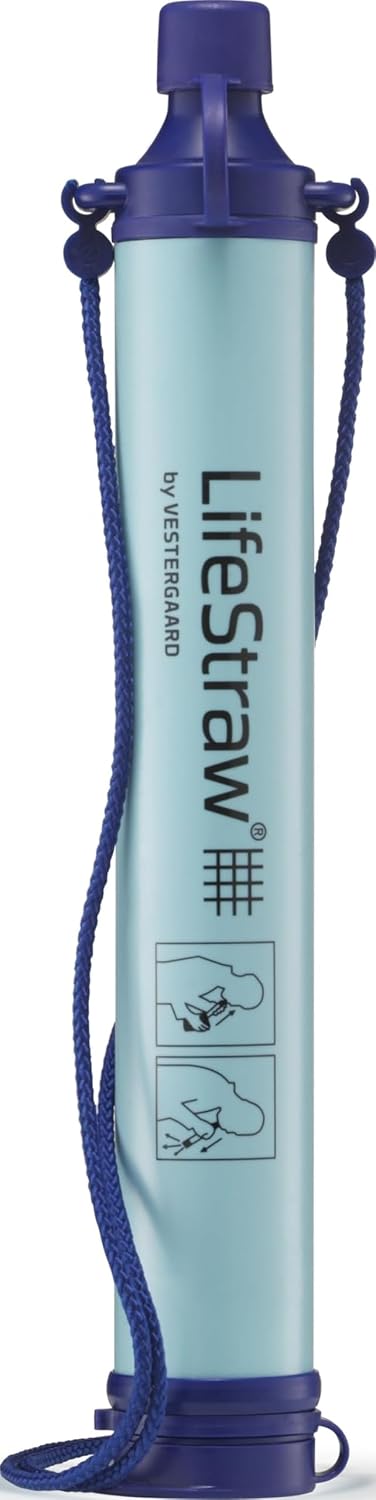
- Days 6–10 — Water First: Water is always your first priority. Purchase enough storage containers to hold a 14-day supply for your household. Fill them. Add water purification tablets or a quality filtration system like a Sawyer or Berkey filter as a backup.
- Days 11–15 — Communication and Documents: Set up your out-of-state contact plan. Purchase FRS/GMRS radios if you don't have them. Gather, copy, and waterproof your critical documents. Take a photo inventory of your home.
- Days 16–20 — Threat-Specific Gear: Based on your region's primary threats, purchase the gear specific to those hazards. Gas shutoff wrench, WaterBOB, helmets for your safe room, life jackets — whatever your threat profile demands.
- Days 21–25 — Structural and Home Hardening: Anchor your water heater. Strap bookshelves to walls. Install a gas shutoff wrench at your meter. Identify and pre-position footwear and a flashlight next to every bed in the house.
- Days 26–30 — Drill and Debrief: Run a household drill specific to your primary threat. Time your response. Find your gaps. Fix them. Schedule the next drill for 90 days out and put it on the calendar.
Commit to this timeline. Don't let perfect be the enemy of good. An imperfect plan executed today is infinitely better than a perfect plan you haven't built yet.
The Bottom Line on Self-Reliance
There is no government agency, no disaster relief organization, and no neighbor who can protect your family the way you can — if you've done the work. Natural disasters are not rare events. They are guaranteed future events. The only question is whether they find you prepared or unprepared, capable or helpless, a provider or a victim. You chose to be here, reading this, because deep down you already know which one you intend to be. Now stop reading and start building. Your family is counting on you to be ready before the sirens sound — because after they do, it's already too late to prepare.
🛒 Essential Survival Gear
As an Amazon Associate I earn from qualifying purchases.