When the Ground Shakes and the Sky Breaks: The Complete Natural Disaster Prep Guide Serious Preppers Actually Use

The Reality Most People Ignore
It's 2:17 AM. A magnitude 7.1 earthquake tears through your city. The power grid collapses. Water mains rupture. Within six minutes, your neighborhood looks like a war zone — and FEMA won't arrive for 72 to 96 hours at minimum. Or picture this: a Category 4 hurricane makes landfall 30 miles east of your home, and the evacuation order came 18 hours ago. You stayed because you thought you had more time. You didn't. These aren't hypothetical Hollywood disasters — these are the exact scenarios that played out in Northridge in 1994, New Orleans in 2005, and Joplin, Missouri in 2011. The hard truth is that most American families are 72 hours away from a full survival crisis and don't even know it.
The government cannot save you in the immediate aftermath of a major natural disaster. That's not cynicism — that's documented reality. After Hurricane Katrina, tens of thousands of people waited days without food, clean water, or medical care inside the Superdome. After the 2010 Haiti earthquake, aid took weeks to reach rural areas. After the 2011 Joplin tornado — a city, not a wilderness — 161 people died and thousands were displaced overnight. The people who survived with the least suffering were the ones who prepared. This article is for people who refuse to be victims.
Core Principles and Knowledge Breakdown
Before we dig into gear lists and action steps, you need to understand the four major natural disaster categories, how they behave, and what makes each one uniquely dangerous. Treating all disasters the same is one of the most common and deadly prepper mistakes.
Earthquakes
Earthquakes give zero warning. A 6.0 shaker can begin and end in 30 seconds, but the damage — structural failure, gas leaks, fire, infrastructure collapse — unfolds over hours and days. The primary kill factors are falling debris during the event and fire, gas exposure, and contaminated water in the aftermath. The "Drop, Cover, Hold On" protocol is the scientifically validated response. Forget the old myth about standing in doorways — that advice has killed people. Get under a sturdy table or desk, protect your head, and hold on. After the shaking stops, assume aftershocks. Assume gas is leaking. Do not use open flames. Know where your gas shutoff valve is and own the proper wrench to close it.
Hurricanes
Hurricanes are the one natural disaster that gives you advance notice — sometimes days of it. This is a gift. Most people waste it. The kill factors with hurricanes are storm surge (not wind — storm surge kills more people than any other hurricane element), inland flooding, and downed power lines post-storm. If authorities issue an evacuation order and you are in a surge zone, you leave. Period. No amount of supplies compensates for 15 feet of seawater moving at freight-train speed. If you're staying put, your home needs to be structurally rated for it, shuttered, stocked, and elevated. Know your flood zone. Know your evacuation route. Know your rally point.
Tornadoes
Tornadoes are the most violent wind events on Earth, capable of generating winds over 300 mph. Like earthquakes, they are fast — an EF5 tornado destroyed 89% of Joplin, Missouri in approximately 38 minutes. Warning times in most areas average 13 minutes. You don't have time to think during a tornado — you need a pre-drilled plan executed from muscle memory. Interior rooms on the lowest floor, away from windows. Bathtubs with a mattress over you. Designated storm shelters. Underground is always best. If you are outdoors or in a vehicle, this is a life-threatening situation — abandon your vehicle and get to a low-lying ditch, covering your head. Never shelter under a highway overpass — this is another deadly myth that has killed tornado survivors.
Floods
Floods are the most common and most underestimated natural disaster in the United States. Flash floods can arrive with as little as 6 minutes of warning. Six inches of moving water can knock an adult off their feet. Twelve inches of moving water can carry away a small vehicle. Two feet will take most SUVs. The golden rule: Turn Around, Don't Drown. More than 50% of flood fatalities in the US involve vehicles. If your route is flooded, you treat it as impassable. Full stop. Flood prep also demands that you understand your property's relationship to the water table, nearby rivers, drainage basins, and historical flood maps for your area.

Building This Into Your Prep Plan
Knowledge is useless without infrastructure. Here's how to build disaster resilience into your actual life, not just your mental checklist.
Build Your 72-Hour Kit — Then Build Your 2-Week Kit
Every household needs a minimum 72-hour emergency kit per person. Then extend it to two weeks. Your kit should include:
- One gallon of water per person per day (store more if you have pets, infants, or medical needs)
- Non-perishable food with a caloric density appropriate to your family's size — freeze-dried meals, canned goods, and emergency ration bars
- A hand-crank or battery-powered NOAA weather radio — this is non-negotiable
- Flashlights, extra batteries, and ideally a headlamp per family member
- A full first aid kit stocked beyond basic band-aids — tourniquets, Israeli bandages, QuikClot gauze, splints
- Copies of critical documents sealed in waterproof bags: IDs, insurance policies, medical records, deeds
- Cash in small bills — ATMs go dark in disasters
- A manual can opener (you'd be shocked how many people forget this)
- Medications for at least 30 days if any family member has chronic health needs
- Sanitation supplies: portable toilet, waste bags, hand sanitizer, bleach
Harden Your Home
Shelter-in-place is often the right call. Make your home worthy of it. Strap your water heater to wall studs — it's one of the most common earthquake injuries when these 200-pound tanks topple. Install storm shutters or have pre-cut plywood panels measured and labeled for every window. Anchor heavy furniture and bookshelves to walls. Elevate electrical systems, HVAC, and valuable gear above the base flood elevation if you're in a flood-prone zone. A whole-home generator with a transfer switch keeps your refrigerator, medical equipment, and communications running when the grid fails.
Create a Family Communication and Rally Plan
Choose an out-of-state contact person your entire family can check in with — local lines often jam in regional disasters while long-distance calls go through. Identify two rally points: one near your home, one further away in case your neighborhood is inaccessible. Every family member old enough to dial a phone should have this information memorized, not just stored in a phone that may be dead or lost.
Advanced Level — What Serious Preppers Do Differently
If you've checked all the basics, here's where the true separation between prepared and elite-prepared begins.
Threat-Specific Structural Upgrades
Serious preppers invest in their home like a fortress. In earthquake country, this means seismic retrofitting — bolting your home to its foundation, cripple wall bracing, and soft-story reinforcement if you have a garage below living space. In tornado and hurricane country, this means a FEMA-rated safe room or underground storm shelter — either pre-built units or poured concrete construction rated for EF5 winds. These are long-term investments that pay off in the most critical moment of your life.
Water Independence
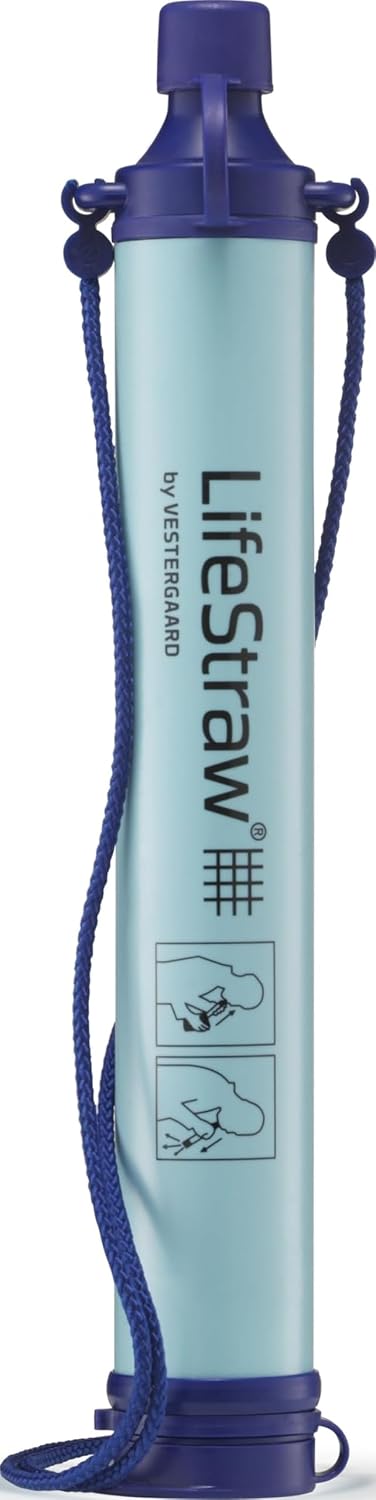
Municipal water systems fail in nearly every major disaster. Advanced preppers invest in rainwater collection systems with first-flush diverters, high-capacity gravity filters like the Berkey or Sawyer systems, and the chemical treatment knowledge to make water safe from almost any source. A 500-gallon holding tank with a hand pump isn't luxury prepping — it's logical infrastructure for anyone serious about self-reliance.
HAM Radio and Independent Communications
Cell towers get saturated or destroyed. Power lines go down. Serious preppers earn their Technician class HAM radio license and keep a handheld transceiver like the Baofeng UV-5R in their kit. Local HAM repeater networks frequently become the communication backbone of disaster response before FEMA ever shows up. You become an asset, not a liability.
Community Network Building
The lone wolf prepper is a liability in a real disaster. Advanced preppers build neighborhood preparedness networks — they know which neighbor is a nurse, which one has a generator, which one has a truck and a trailer. They participate in CERT (Community Emergency Response Team) training offered through FEMA. They practice. They train. Mutual aid is not weakness — it is the oldest and most proven form of survival strategy in human history.
Scenario-Specific Drills
Elite-prepared families run drills. Earthquake drop drills at random times, including at night. Evacuation drills with timed benchmarks. They practice shutting off the gas main. They practice navigating home without GPS using paper maps. They practice their bug-out vehicle loading in under 15 minutes. Preparation is a perishable skill. If you haven't practiced it recently, you haven't mastered it.

Your Action Plan — What to Do in the Next 30 Days
Stop reading and start executing. Here's your 30-day roadmap, broken into actionable phases:
- Days 1–7: Assessment. Identify which natural disasters are statistically likely in your region. Look up your FEMA flood zone, check USGS seismic hazard maps, review your state's historical tornado and hurricane data. Audit your current supplies honestly — most people have almost nothing useful.
- Days 8–14: Foundation building. Purchase or build your 72-hour emergency kit. Store a minimum of 14 gallons of water per person. Buy a NOAA emergency weather radio. Locate and test your gas shutoff valve. Identify your home's safest interior rooms for tornado or earthquake response.
- Days 15–21: Communication and planning. Establish your family communication plan and out-of-state contact. Create a physical document with rally points, contact numbers, and emergency protocols — printed, laminated, and distributed to every family member. Download offline maps of your region. Pull cash and keep it in your kit.
- Days 22–28: Home hardening and skill acquisition. Anchor at least three major pieces of furniture. Research your region's most common disaster and take one concrete structural step toward hardening your home against it. Sign up for a first aid and CPR course. Research your local CERT program.
- Days 29–30: Your first drill. Run a scenario drill with your family. Announce it's an earthquake and time everyone dropping and covering. Walk through your evacuation plan. Load your bug-out bags into the vehicle and time it. Debrief afterward — what worked, what failed, what needs to be fixed.
Thirty days from now, you will not be fully prepared. No one ever is. But you will be exponentially better positioned than the 95% of families that have done absolutely nothing. And that gap could be the difference between your family thriving and your family suffering.
The Bottom Line
The ground will shake again. The storms will come. The rivers will rise. These aren't questions of if — they are questions of when and whether you will be ready. Self-reliance isn't paranoia. It's love made actionable — love for your children, your spouse, your community. Every step you take toward preparedness is a declaration that you refuse to be helpless, that you refuse to outsource your family's survival to systems that can and do fail. The people who come through disasters whole — physically, emotionally, and financially — are not lucky. They are prepared. Be one of them. Start tonight.
🛒 Essential Survival Gear
As an Amazon Associate I earn from qualifying purchases.