Waterborne Illness Without Meds: How to Treat It and Survive It

What You're Actually Fighting When the Water Goes Bad
When the grid goes down, supply chains snap, or you're weeks deep into a bug-out scenario, waterborne illness becomes one of the most likely killers you'll face — and most people have zero plan for treating it without a pharmacy. Giardia, Cryptosporidium, E. coli, Cholera, Typhoid — these aren't abstract threats. They're in rivers, lakes, flooded streets, and compromised wells right now. A healthy adult can go from functional to severely dehydrated in 24 to 48 hours from aggressive diarrhea and vomiting. Without IV fluids or antibiotics, people die from this. But here's what the medical establishment won't tell you plainly: your body can fight most of these infections on its own if you know how to support it correctly. This guide is about keeping yourself alive using what you can grow, forage, source, and make — no prescription required.
Understanding the Enemy: What Waterborne Pathogens Actually Do to You
Before you can treat it, you need to understand the mechanism. Waterborne pathogens attack in two primary ways: they damage the intestinal lining, causing fluid to dump into your gut faster than your body can reabsorb it, and some produce toxins that actively disrupt your body's ability to maintain electrolyte balance. The result is the same either way — catastrophic fluid and electrolyte loss.
Here's what you need to know about the major threats:
- Giardia lamblia: A protozoan parasite. Incubation 1–3 weeks. Causes greasy, foul-smelling diarrhea, bloating, and cramps. Chronic if untreated. Survives chlorine in low doses.
- Cryptosporidium: Similar to Giardia. Highly chlorine-resistant. Filtration is your best defense. Causes watery diarrhea for 1–2 weeks.
- E. coli (pathogenic strains): Bacterial. Fast onset — 1 to 8 hours after exposure. Watery to bloody diarrhea. Fever common.
- Cholera (Vibrio cholerae): Bacterial. Worst-case scenario. Can produce up to 1 liter of fluid loss per hour through "rice water" diarrhea. Kills within hours if untreated. Rare in the US but relevant in SHTF or third-world grid-down scenarios.
- Typhoid (Salmonella typhi): Bacterial. Slower onset. High fever, abdominal pain, constipation OR diarrhea. Serious without treatment.
The unifying principle across all of these: dehydration and electrolyte imbalance will kill you before the pathogen does in most cases. That's where your treatment focus must go first.

Step-by-Step Treatment Protocol Without Medication
This protocol is built around three pillars: aggressive rehydration, gut support, and natural antimicrobials. Execute them simultaneously, not sequentially.
Pillar 1 — Oral Rehydration Therapy (ORT): Your Number One Priority
The World Health Organization's Oral Rehydration Solution (ORS) has saved millions of lives in the developing world. It doesn't require a doctor. It requires sugar, salt, and clean water. That's it.
ORS Field Recipe:
- 1 liter of boiled or purified water (cooled to drinkable temperature)
- 6 level teaspoons of sugar (approximately 30 grams)
- ½ teaspoon of table salt (approximately 2.5 grams)
Stir until fully dissolved. Drink continuously in small sips — roughly 200–300 ml every hour for adults. Do not chug. Chugging triggers more vomiting. Small, steady sips are the protocol. If you're vomiting, take a teaspoon every 2–3 minutes. Slow delivery keeps it down.
If you have coconut water available, it is a near-perfect natural ORS and can substitute directly. Flat ginger ale or diluted sports drinks (50/50 with water) are acceptable field substitutions, though less ideal due to high sugar concentration.
Signs you are falling behind on rehydration:
- Dark yellow or no urine for 6+ hours
- Skin that doesn't snap back when pinched (tenting)
- Sunken eyes or dry mouth
- Rapid, weak pulse
- Confusion or extreme fatigue
If any of these are present, you are severely dehydrated. Double your ORS intake immediately and prioritize nothing else.

Pillar 2 — Natural Antimicrobials and Gut Support
Your goal here is to slow the pathogen load, support intestinal recovery, and reduce inflammation. None of these are magic bullets. They are support tools that, combined with aggressive rehydration, significantly improve outcomes.
Activated Charcoal: If you have it in your kit — and you should — activated charcoal binds toxins in the gut before they are absorbed. Standard dose is 25–50 grams for adults, mixed with water. Take it within the first few hours of symptom onset for maximum effect. Do NOT take it simultaneously with any medication, as it will bind and neutralize that too. Keep activated charcoal in your bug-out bag. 50-gram powder packets are lightweight and last years.
Raw Garlic: Allicin, the active compound in raw crushed garlic, has demonstrated antibacterial and antiprotozoal activity in clinical studies. Crush 2–4 raw cloves and consume them directly or mixed with food. Do this 2–3 times daily. Yes, it's rough. Do it anyway. If you can grow garlic at your homestead, do it — this is one of the most valuable medicinal plants you can have on site.
Colloidal Silver (20 ppm or higher): Controversial in mainstream medicine, but used widely in preparedness communities. Broad-spectrum antimicrobial properties. Adult dose: 1–3 tablespoons 2–3 times daily. Do not overuse long-term. Short-term treatment doses during acute illness are considered safe by most naturopathic practitioners. Store 2–4 ounces in your kit.
Oregano Oil: Carvacrol and thymol, the active compounds, are potent antimicrobials effective against a wide range of gut pathogens including E. coli and Giardia. Use food-grade, high-carvacrol oregano oil (80%+ carvacrol). Dilute 2–4 drops in a tablespoon of olive or coconut oil and swallow. Do this 3 times daily. Do not take it straight — it will burn mucous membranes.
Ginger Tea: Anti-nausea and anti-inflammatory. Slice 1–2 inches of fresh ginger root (or use 1 teaspoon dried ginger), steep in boiled water for 10 minutes. Drink 3–4 cups daily. This is especially valuable for managing vomiting so that your ORS stays down.
Bone Broth or Clear Broth: Provides sodium, some electrolytes, and easily digestible nutrients without burdening the gut. If you have any livestock or stored bones, this is a critical survival food during illness recovery. Simmer bones for minimum 4 hours, strain, add a pinch of salt.
Probiotic Foods: Yogurt with live cultures, kefir, fermented vegetables (sauerkraut, kimchi), or probiotic capsules if stored. These repopulate gut flora, which is decimated by diarrheal illness. Start introducing these as symptoms begin to stabilize — not at peak illness, when the gut cannot yet process them effectively.
Pillar 3 — Rest, Heat Management, and Isolation Protocol
Push fluids. Rest completely. Keep the patient warm but not overheated — fever is your body's weapon against pathogens, but a fever above 104°F (40°C) requires cooling intervention. Use wet cloths on the forehead, neck, and armpits. Sponge the body with lukewarm (not cold) water.
If you are in a group setting: isolate the sick individual immediately. Waterborne pathogens are also frequently fecal-oral transmitted, meaning an infected person's hands, waste, and contaminated surfaces can spread illness through your entire camp or household rapidly. Designate a separate latrine area at least 200 feet from your water source and camp. Enforce strict handwashing with soap and water before food preparation and after any contact with the sick person or their waste.
Common Mistakes That Turn Sick Into Dead
Most people in a survival scenario make the same fatal errors when dealing with waterborne illness. Know them before you're in the situation.
- Stopping fluids because "the patient can't keep anything down." This is the most dangerous mistake. Vomiting doesn't mean fluids are useless — it means you need to slow delivery. A teaspoon every 2–3 minutes still adds up. Keep going.
- Using only plain water. Plain water alone actually worsens electrolyte imbalance during severe diarrhea. Your gut needs the sodium-glucose cotransport mechanism (what ORS provides) to absorb fluid effectively. Plain water can dilute electrolytes and paradoxically worsen dehydration at the cellular level.
- Feeding solid food too soon. The BRAT diet (Bananas, Rice, Applesauce, Toast) is a valid early-recovery food protocol, but nothing solid goes in until the patient has been stable on fluids for at least 6–8 hours and symptoms are visibly improving. Feeding too soon restimulates gut motility and can trigger relapse.
- Treating the symptom with anti-diarrheals like Imodium. This seems counterintuitive, but in bacterial infections, diarrhea is your body expelling the pathogen. Blocking it with anti-motility drugs can trap toxins and bacteria in the gut, worsening the overall infection. Use anti-diarrheals only when diarrhea is so severe that fluid replacement is impossible, and only short-term.
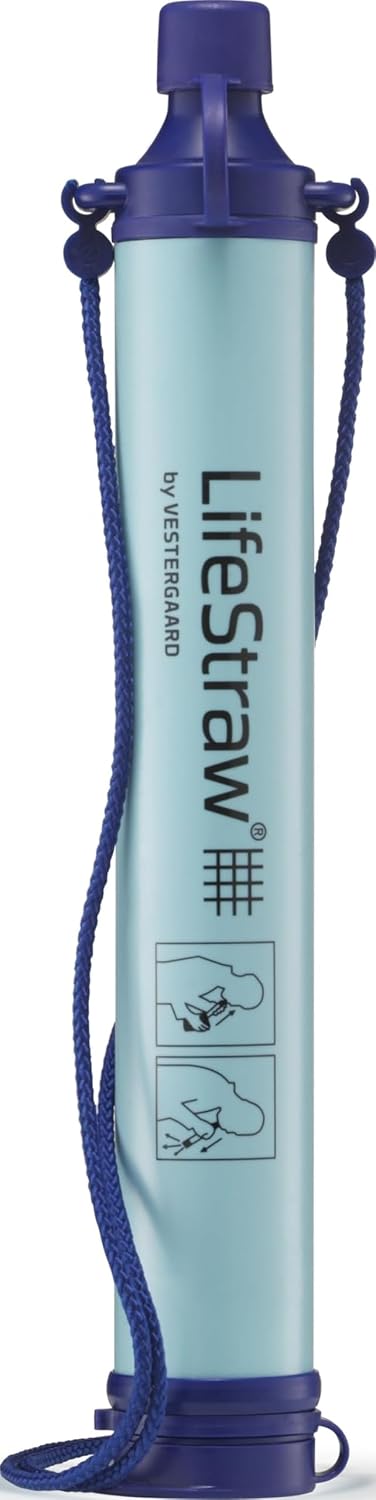
- Contaminating your water source during treatment. If you're sick and you're pulling water from a shared source, you may be seeding it with the same pathogen. Always treat your water. Always. Boiling (1 minute at sea level, 3 minutes above 6,500 feet) kills all biological threats. Combine with filtration for protozoans like Crypto. A LifeStraw, Sawyer Squeeze, or MSR ceramic filter paired with boiling is your gold standard field kit.
- Underestimating how fast it moves. A healthy 180-pound man can be incapacitated in under 12 hours from aggressive cholera. Do not wait to start ORS. Start it at first symptom onset — watery stool, nausea, cramping. Early aggressive rehydration changes the outcome dramatically.
- No stockpile means improvisation under pressure. You should have ORS powder packets (WHO-formula), activated charcoal, oregano oil, and colloidal silver in your kit right now. These cost under $40 total and weigh less than a pound. There is no excuse not to have them.
What to Practice This Weekend
Mix a batch of ORS using the formula above. Taste it. Know what it is and how to make it from memory in the dark under stress. Then audit your kit: do you have activated charcoal? Oregano oil? ORS packets? If not, fix that before Sunday. Set up a gray water and sanitation protocol for your home or retreat location — know exactly where your emergency latrine goes and how far it sits from your water source. Waterborne illness isn't a question of if in a long-term grid-down scenario. It's a question of when. Be ready before the answer arrives.
🛒 Essential Survival Gear
As an Amazon Associate I earn from qualifying purchases.