The Minimalist Bug Out Bag: Build a 25 lb or Less Pack That Actually Gets You Out Alive
Why Weight Is the Enemy of Survival
When the grid goes down, the roads are blocked, and you have 20 minutes to leave your house with everything you need to survive — you will not be grateful you packed that cast iron skillet. The average prepper bug out bag weighs between 40 and 65 pounds. That is not a survival tool. That is a liability. At that weight, you are covering 8 to 12 miles a day on good terrain before your knees start filing a formal complaint. Cut that pack to 25 pounds or under and suddenly you are moving 15 to 20 miles a day, staying ahead of threats, and arriving at your destination with enough energy left to actually set up camp and defend yourself. This is not about going ultralight for the fun of it. This is about building a pack that serves a real mission: get you from point A to point B alive, self-sufficient, and functional for 72 hours minimum.
The Core Categories Every BOB Must Cover
Before you start pulling gear off a shelf, understand that every ounce in your bag needs to earn its place by serving one of six critical survival functions. If an item does not fit cleanly into one of these categories, it does not make the cut.
- Water: You will die of dehydration before almost anything else. Your bag must address sourcing, carrying, and purifying water.
- Fire: Heat, signaling, cooking, and morale. Fire is not optional. Redundancy here is non-negotiable.
- Shelter: Exposure kills faster than starvation. You need the ability to get out of the wind, rain, and cold within minutes of stopping.
- Food: Calories matter, but not as much as people think in a 72-hour window. Keep it light, high-calorie, and no-cook if possible.
- Navigation: You cannot bug out if you do not know where you are going or how to get there without a cell signal.
- Medical and Security: You must be able to handle injuries and deter threats. These are not luxuries.
Everything in your bag should serve one of these six functions. That is your filter. Apply it ruthlessly.

The Sub-25 lb Build: Specific Gear, Weights, and Reasoning
Here is a real-world build with actual weights. This is not aspirational gear porn. These are proven selections based on durability, function, and mass-to-utility ratio. Weights listed are approximate and account for the item as carried.
The Bag Itself: Use a 40 to 50 liter backpack with an internal frame and padded hip belt. A hip belt transfers weight to your legs instead of your spine. Target bag weight: 3 to 4 lbs. Good options in the $80 to $150 range include the 5.11 Rush 24 or the Condor 3-Day Assault Pack. Avoid cheap no-name bags with single stitching — they will fail at the worst moment.
Water — Target Weight: 2.5 lbs
- One 32 oz stainless steel single-wall water bottle (doubles as a boiling vessel) — 6 oz
- One 2-liter collapsible reservoir or Platypus soft bottle — 1.4 oz empty
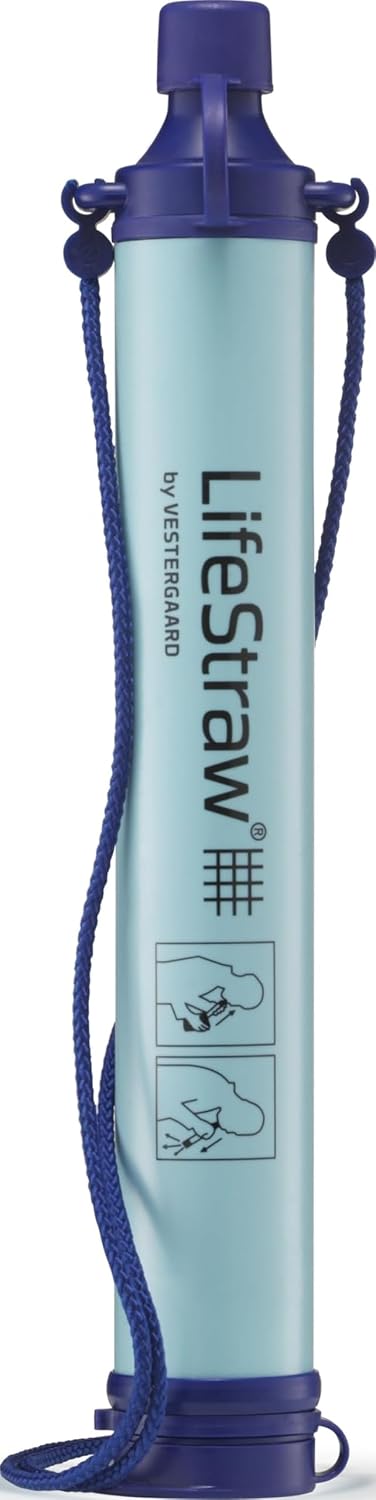
- Sawyer Squeeze filter — 3 oz
- 10 water purification tablets as backup — under 1 oz
Fill your bottles before you leave. That is 4.5 lbs of water you carry on departure, but you cannot count on finding clean water in the first two hours. Start hydrated, start full.
Fire — Target Weight: 0.5 lbs
- Bic lighter x2 — dirt cheap, reliable in dry conditions
- Ferro rod with striker — works wet, works cold, lasts 12,000 strikes
- Waterproof matches in a sealed container — third backup
- Commercial tinder tabs or a small bag of petroleum jelly cotton balls — 2 oz
Three ignition sources. No exceptions. The guy who only packed one lighter is the guy who cannot start a fire when it is raining and 40 degrees.
Shelter — Target Weight: 3 to 4 lbs
- Lightweight tarp, 8x10 ft silnylon or polycryo — 14 to 20 oz depending on material
- 50 ft of 550 paracord — 4.5 oz
- Six aluminum tent stakes — 1.5 oz
- Emergency bivy or SOL Escape bivvy — 8 oz
- Compact sleeping bag rated to 30°F OR a down quilt — 1.5 to 2 lbs
The tarp and bivy combo is lighter and more versatile than a tent. A properly rigged 8x10 tarp takes five minutes to set up and handles rain, wind, and cold effectively. Learn to rig it before you need to.
Food — Target Weight: 3 lbs
- Six to eight commercial emergency ration bars totaling 3,600 calories — 2 lbs
- Four to six packets of instant oatmeal or ramen — 0.75 lbs
- Handful of hard candy for quick glucose — 0.25 lbs
You are not building a gourmet camp kitchen. You are fueling movement. Three days at 1,200 calories per day is uncomfortable but survivable. Keep cooking gear to a minimum: a 750 ml titanium pot and a small stove with one fuel canister adds about 1 lb. Optional but worth it if temperatures are cold.
Navigation — Target Weight: 0.5 lbs
- Baseplate compass — Silva Ranger or Suunto A-10 — 2 oz
- Printed topographic maps of your region in a waterproof map case — 2 to 4 oz
- Small notepad and pencil — 1 oz
No batteries. No app. A compass and a topo map work in every condition, every time. Pre-plan three bug out routes on your maps and mark them in pencil before you ever need them.
Medical — Target Weight: 1.5 lbs
- CAT tourniquet — 2.7 oz
- Israeli bandage (trauma dressing) — 3.5 oz
- Hemostatic gauze — 1.5 oz
- Medical tape and closure strips — 1 oz
- Blister kit with moleskin — 1 oz
- Pain reliever, antihistamine, anti-diarrheal — 1 oz
- Nitrile gloves x2 pairs — under 1 oz
This is a stop-the-bleed kit, not a hospital. Focus on traumatic injury management. A cut artery or an untreated blister that gets infected are both mission-ending events.
Tools and Miscellaneous — Target Weight: 2 lbs
- Fixed-blade knife, 4 to 5 inch blade, full tang — 6 to 8 oz
- Headlamp with lithium batteries — 3 oz
- Spare batteries — 2 oz
- Shemagh or wool buff — 3 oz
- Wool or synthetic gloves — 2 oz
- Rain poncho — 4 oz
- Copies of critical documents in a waterproof bag — 1 oz
- $200 cash in small bills — negligible weight
Total estimated packed weight: 17 to 22 lbs. That gives you a buffer for personal medications, a sidearm if you carry, or seasonal additions like an extra base layer in winter. Stay under 25 lbs loaded. Test it with a full load before you need it.
The Mistakes That Will Get You Killed — And How to Fix Them
Mistake 1: Packing for comfort instead of survival. That inflatable sleeping pad feels great at a campsite. It is two pounds of dead weight in a bug out scenario. Use a 3/8 inch closed-cell foam pad if you need insulation from the ground. Cuts weight and has zero failure points.
Mistake 2: Not accounting for your own physical condition. A 25 lb pack on a fit 180 lb adult is manageable. On a deconditioned 250 lb person with bad knees, it is a medical emergency waiting to happen. Load your bag, put it on, and walk five miles. Right now. Before an emergency tells you what you cannot do.
Mistake 3: Duplicating function instead of covering gaps. Preppers love multiples. Three knives, two multi-tools, four lighters in the same pocket. Meanwhile they have no medical kit and no navigation tools. Redundancy is smart only within a category. Spread your weight across all six categories first.
Mistake 4: Packing food that requires cooking when you have no cooking gear. Dried beans weigh nothing but are useless without a pot, water, and 90 minutes of boil time. Match your food to your actual gear setup. If you have no stove, pack no-cook foods exclusively.
Mistake 5: Never testing the bag. Most bug out bags live in a closet. The boots in there are still factory-stiff. The batteries are probably dead. The food expired in 2021. Rotate your consumables every six months. Do a full overnight with the bag at least once a year. You will find every problem before it costs you.
Mistake 6: Building the bag but skipping the skills. Gear without training is dead weight. You can own the best Sawyer filter on the market and still die of dehydration if you do not know how to backflush it when it clogs. Every piece of gear in your bag should be something you have used at least ten times before the day you actually need it.
Mistake 7: No pre-planned routes or rally points. A bug out bag without a destination is just a heavy hike. Know where you are going. Know three ways to get there. Communicate those routes to the people bugging out with you. A bag on your back means nothing if your family scatters in four different directions because nobody had a plan.

What to Practice This Weekend
Pull your current bug out bag out of storage — right now, today — and put it on a scale. Write the number down. Then weigh every single item individually and ask yourself one question: does this item directly support water, fire, shelter, food, navigation, medical, or security? If the answer is no, pull it out. If you do not yet have a bag, spend this weekend building the water, fire, and shelter categories only. Get those three right before you touch anything else. Then walk two miles with the loaded pack. Your body will tell you everything your brain has been avoiding. Fix what hurts. Test what breaks. Build a bag that moves like you mean it.
🛒 Essential Survival Gear
As an Amazon Associate I earn from qualifying purchases.