The Get Home Bag: Why Your Work Commute Could Be Your Most Dangerous Vulnerability

The Reality Most People Ignore
Picture this: It's a Tuesday afternoon. You're 22 miles from home when the grid goes down — no cell service, no GPS, traffic gridlocked for miles. A major earthquake, EMP strike, or cascading infrastructure failure doesn't care about your schedule. Most people will sit in their cars, scroll a dead phone screen, and wait for someone to save them. You cannot afford to be that person.
The hard truth is this — most preppers have a solid bug out bag at home and zero preparedness in their car or at their desk. Your home setup is only useful if you can actually get there. The gap between your workplace and your front door is one of the most overlooked vulnerabilities in personal preparedness, and it's one that could cost you everything when it matters most.
A Get Home Bag (GHB) is not a bug out bag. It's not a 72-hour kit. It is a purpose-built, mission-specific loadout designed for one objective: getting you from Point A — wherever you are when things go sideways — back to your family, your supplies, and your plan. Nothing more, nothing less.
Core Principles and Knowledge Breakdown
Before you spend a single dollar on gear, understand the doctrine behind this kit. A GHB built on solid principles will outperform an expensive bag built on guesswork every single time.
Principle 1: Know Your Route. How far is your commute? What's the terrain between you and home — urban streets, highways, wooded areas, river crossings? Could you walk it in dress shoes? Could you walk it at night? Map out at least two alternate routes on paper. Digital maps die with the grid. A laminated map of your commute corridor weighs almost nothing and could save your life.
Principle 2: Weight is the Enemy. You may be walking 15-25 miles through chaos. Every unnecessary ounce is a liability. Target a final packed weight of 15–25 pounds maximum. If you're over that, start cutting. Redundancy is smart; excess is a burden.
Principle 3: Build for Your Specific Scenario. A suburban office worker in Phoenix has different needs than a contractor in rural Vermont. Season, climate, terrain, and distance all shape your loadout. There is no one-size-fits-all GHB — there is only a bag built for your situation.
With those principles locked in, here is the core gear framework every GHB needs:
- Footwear and Clothing: A pair of broken-in trail runners or tactical boots kept in your bag or car. Walking 20 miles in dress shoes or heels is mission failure before you take the first step. Add a moisture-wicking base layer, rain poncho, and a lightweight fleece for temperature management.
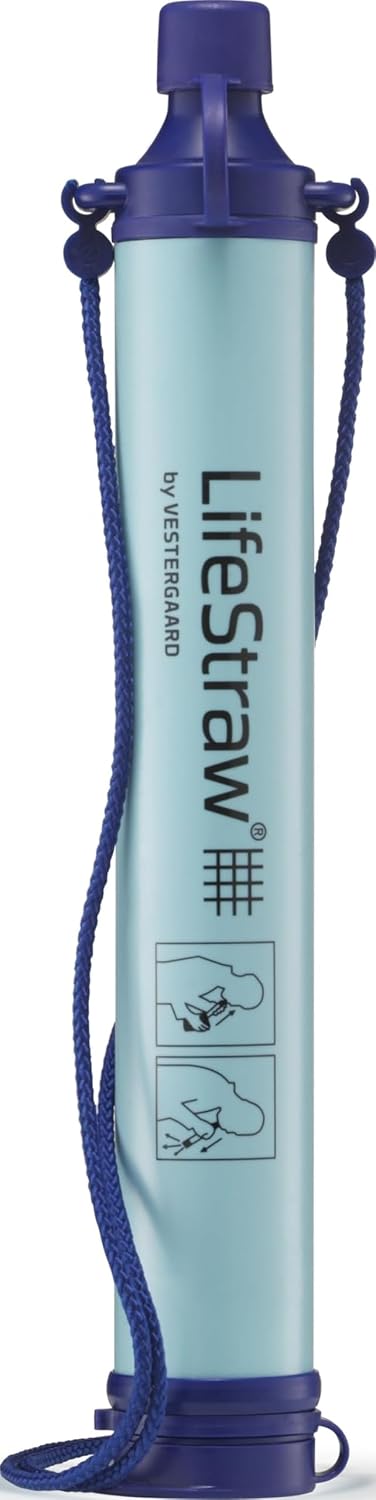
- Water: At minimum, 2 liters of water on your person and a filtration method — a Sawyer Squeeze or LifeStraw filter weighs almost nothing and can turn a ditch into drinking water. Hydration is non-negotiable on a long foot movement.
- Navigation: A printed, laminated map of your commute corridor and surrounding region, plus a baseplate compass. Know how to use both before you need them. A map you can't read is just paper.
- Food: 2,000–3,000 calories of dense, lightweight food. Think nut butter packets, jerky, energy bars, and hard candy. You're fueling a forced march, not a camping trip.
- First Aid: A trauma-rated kit — not a box of bandages. Include a tourniquet (CAT or SOFTT-W), chest seals, Israeli bandage, hemostatic gauze, and blister care. Civil unrest, vehicle accidents, or debris fields are realistic hazards during a grid-down event.
- Light and Fire: A quality headlamp with extra batteries, a backup flashlight, and two reliable fire sources — a Bic lighter and a ferro rod at minimum. If your route takes you through a grid-down night, light discipline and warmth become critical.
- Communication: A small hand-crank or battery-powered AM/FM radio to monitor emergency broadcasts. A laminated card with the phone numbers and addresses of key contacts — family, rally points, trusted neighbors.
- Self Defense: This is your call and your legal responsibility. At minimum, a fixed-blade knife is a versatile tool and a last-resort defensive option. Know your state laws. A prepared person is not a helpless one.
- Cash: $100–$200 in small bills. ATMs go dark when the grid does. Cash may be the only thing that moves goods and favors in the early hours of a crisis.

Building This Into Your Prep Plan
A GHB that lives permanently in the trunk of your car, stuffed with expired food and dead batteries, is a false sense of security. Maintenance is part of the mission. Set a calendar reminder every 90 days to inspect your bag — rotate food, check battery charge levels, swap clothing for the season, and verify your water filtration gear is functional.
Your GHB should live where you need it. For most commuters, that means the car — in the trunk, not locked in the garage at home. If you take public transit, a low-profile daypack that doesn't scream "I'm a prepper" is your vehicle. Discretion matters in crowd scenarios. A tactical molle plate carrier bag will draw attention and create friction. A plain 30-liter hiking pack does the same job without advertising your position.
Practice your route. Actually walk portions of it on a weekend morning. Identify choke points — narrow bridges, tunnels, railroad crossings — that could be impassable in an emergency. Find water sources: creeks, rivers, parks with fountains. Know where you could shelter temporarily if you needed to wait out darkness or danger. This reconnaissance is free, takes a Saturday morning, and is worth more than any piece of gear in your bag.
Advanced Level — What Serious Preppers Do Differently
Average preppers build a bag. Serious preppers build a system. Here's what the top tier looks like:
- Layered Caching: Serious preppers establish small supply caches along their commute route — a friend's house, a trusted church, a storage unit — with water, food, and fuel pre-positioned. If your car becomes unusable and your bag runs low, you have resupply points built into the route.
- Comms Integration: A small GMRS or ham radio (with license) allows you to communicate with family members or monitor emergency nets. Baofeng radios are lightweight and affordable. Pre-program your family's channels and check-in protocols before you ever need them.
- Medical Training: The gear in your first aid kit is worthless without the skills to use it. Take a TCCC (Tactical Combat Casualty Care) course or at minimum a Stop the Bleed certification. Fifteen minutes of hands-on training with a tourniquet in a classroom is worth a thousand hours of reading about it.
- Gray Man Mindset: During a grid-down urban movement, the person who looks the most prepared becomes a target. Advanced preppers dress to blend in, move with confidence and purpose, avoid crowds, and move during low-activity hours when possible. Your demeanor is a piece of gear.
- Family Integration: Your spouse, your older kids — they need to know the plan. Where do you meet if communications are down? What is the rally point if home is inaccessible? A family communication plan laminated in every bag is the force multiplier that ties the whole system together.

Your Action Plan — What to Do in the Next 30 Days
Stop planning to prepare. Start preparing. Here is your 30-day action plan broken into executable steps:
- Week 1 — Assess and Map: Measure your commute distance. Print and laminate two alternate route maps. Walk or drive each route and identify hazards, water sources, and shelter points. Write it down.
- Week 2 — Build the Foundation: Acquire your bag and build out the core loadout: water, food, navigation, fire, light, first aid, clothing, and cash. Prioritize quality on the items that matter most — your boots, your tourniquet, your water filter.
- Week 3 — Test and Adjust: Load the bag and wear it for a 5-mile walk on a weekend. Note what's missing, what's redundant, and what's uncomfortable. Adjust accordingly. A bag you've never worn will fail you when you need it most.
- Week 4 — Train and Brief the Family: Take a Stop the Bleed class. Practice with your compass. Sit down with your family and walk through the get home plan — rally points, communication protocol, and what to do if you can't be reached. Make sure everyone has a laminated contact card.
This is not a one-weekend project that gets shelved. Build it, test it, maintain it, and train to it continuously. The threat doesn't take a day off, and neither should your readiness.
The Bottom Line on Self-Reliance
The government will not walk 22 miles to bring you home to your family. Your employer will not do it. A stranger in gridlocked traffic will not do it. That responsibility belongs to exactly one person — you. The Get Home Bag is not a paranoia project. It is the physical embodiment of a decision you've already made: that your family's safety is worth more than comfort, convenience, or the assumption that someone else has a plan for your survival. Build the bag. Know the route. Train for the walk. Because when the day comes that you need it, the only thing standing between you and your front door is your own preparation.
🛒 Essential Survival Gear
As an Amazon Associate I earn from qualifying purchases.