The Complete Guide to the Grey Man Strategy: How to Avoid Being a Target When It Matters Most

Why This Skill Is Non-Negotiable
When the grid goes down, when civil order collapses, when a natural disaster strips away the thin veneer of civilization — the most dangerous thing you can be is visible. The prepper who rolls through a desperate neighborhood in a fully kitted-out truck with a bug-out bag strapped to the roof isn't a survivor. He's a supply depot on wheels, and everyone around him knows it.
The Grey Man Strategy is one of the most underrated, undervalued skills in the entire preparedness community. Most people spend thousands on gear and almost zero time thinking about how not to advertise it. That's a fatal mistake. In a grid-down or SHTF scenario, looking prepared makes you a target — for theft, for violence, and for desperate people who will rationalize taking from you because they're scared and hungry.
This isn't paranoia. This is pattern recognition. In every major societal disruption — Hurricane Katrina, the LA Riots, the Balkans War — people who stood out got hit. People who blended in survived. The grey man doesn't get robbed. The grey man doesn't get followed home. The grey man doesn't get remembered. That's the goal.
If you think this skill doesn't apply to you because you live in a rural area or a quiet suburb, think again. The moment resources become scarce, people migrate and desperation travels. You need to know how to disappear in plain sight — and you need to practice it before you need it.
What You Need Before You Start
The Grey Man Strategy isn't about buying a specific product — it's about a mindset supported by deliberate choices. That said, there are concrete prerequisites and materials that set the foundation.
- Situational Awareness Baseline: You cannot disappear if you don't understand what people are looking for. Before you practice blending in, you need to train your eye to spot who stands out — and why. Start observing people in public spaces. Mall entrances, transit stations, parking lots. Who draws your eye? Why?
- Neutral Wardrobe: Build a selection of earth-tone, muted, unremarkable clothing. Think khaki, grey, dark navy, olive drab, and brown — but not military-patterned. Avoid tactical vests, molle gear worn externally, camo patterns in urban settings, and branded prepper or firearms merchandise. Brands like Duluth Trading, Carhartt, and generic workwear labels are your friends. They're durable, common, and read as "working class" rather than "tactical."
- Low-Profile Carry Systems: Your bug-out bag should not look like a bug-out bag. Invest in a quality daypack or messenger bag in a solid, neutral color. Brands like Mystery Ranch, Maxpedition (their civilian line), or even a plain Jansport work. The bag should look like something a student or commuter carries — not a soldier.
- Concealed Carry Setup: If you carry a firearm, it must be concealed. No open-carry in a collapse scenario unless absolutely necessary. A quality IWB holster (Vedder, Crossbreed, or Safariland) with a cover garment appropriate to the season is essential.
- Basic Cover Story and Pocket Litter: Know who you are and where you're going if questioned. More on this in the process section. "Pocket litter" — receipts, a work ID, mundane personal items — sells a cover identity.
- Vehicle Assessment: Look at your vehicle. Is it lifted with aftermarket bumpers and a roof rack full of gear? Does it have NRA stickers, thin blue line decals, or prepper-adjacent messaging? In a collapse, these are targeting indicators. Your vehicle needs the same grey man treatment as your body.

The Process: How to Actually Go Grey
The Grey Man Strategy operates across three domains simultaneously: appearance, behavior, and movement. You have to work all three or you're only partially protected.
- Audit Your Appearance — RuthlesslyStand in front of a mirror in your full everyday carry setup. Ask yourself: Does anything about this make me look like I have something worth taking? Military-style boots in an urban collapse scream "this person is prepared." A Multicam backpack screams "gear inside." Even a high-quality watch or visible knife clip on your pocket can signal affluence or tactical preparation. Strip it back. Dress like the median person in whatever environment you're moving through. If everyone around you is wearing jeans, a hoodie, and sneakers — that's your uniform. Blend to your environment, not to a tactical ideal.
- Control Your Body LanguageNervous people fidget. Prepared people often over-scan rooms and look hyper-alert, which paradoxically draws attention. Calm, deliberate, purposeful movement is the goal. Walk like you belong. Keep your head up but eyes soft — not drilling into people. Avoid lingering in open spaces. Move with intent. If you stop, stop near a wall or structure. Don't plant yourself in the middle of a crowd. The grey man moves like he has somewhere to be and nothing worth noticing.
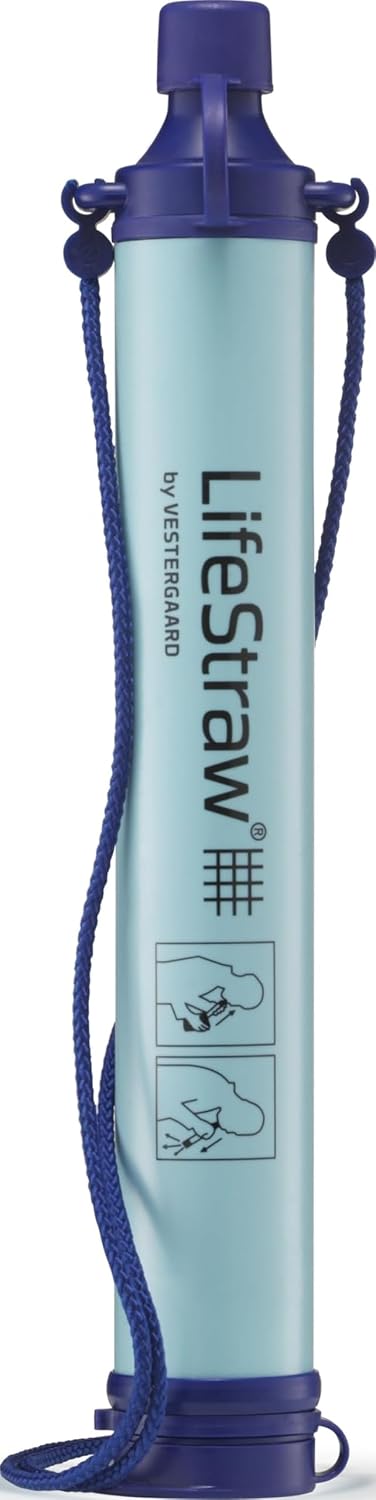
- Manage Your Gear Loadout VisuallyEverything tactical should be concealed or disguised. Your trauma kit doesn't need a bright red MOLLE pouch on the outside of your bag — it can live inside a plain zip pouch. Your multi-tool rides in a pocket, not clipped to a belt. Water filtration (a Sawyer Squeeze or LifeStraw) tucks inside your bag, not hanging off a carabiner. Emergency food bars go in the bottom of a plain tote or backpack. Think layered concealment: the outside of your kit should look like nothing. The inside can be fully operational.
- Build a Cover Story and Stick to ItIn a crisis, checkpoints appear. Neighbors talk. Desperate people ask questions. Know your story before you need it. Where are you going? Why? Who are you meeting? Your cover should be simple, locally plausible, and boring. "I'm heading to my sister's place in [nearby town] to help her with the kids." That's it. Boring is safe. The more detail you volunteer, the more inconsistencies can appear. Practice your cover story until it's reflexive.
- Sanitize Your VehicleRemove tactical stickers and political decals immediately. A lifted truck with a winch and a roof rack is a resource magnet — consider whether a more common, anonymous vehicle better serves your bug-out plan. Keep your vehicle interior clear of visible gear. Bug-out bags stay in the trunk or under a seat cover, not on the back seat. A dirty, slightly beat-up vehicle in a neutral color (grey, silver, dark blue, white) is harder to remember and less likely to be targeted than a clean, aggressive-looking rig.
- Control Your Digital and Social FootprintThe grey man strategy extends into the digital realm — especially in pre-collapse or slow-burn SHTF situations. Don't post your preps on social media. Don't tell neighbors how much food you have stored. Don't brag at the range about your home arsenal. Operational security (OPSEC) is the pre-crisis version of the grey man strategy. Once people know you're prepared, they remember — and in a crisis, they show up.
Tips from the Field
These are real-world adjustments that separate the people who study this concept from the people who actually live it.
- Environment dictates everything. Grey in one context is conspicuous in another. A man in business casual walking through a collapsed suburban neighborhood post-hurricane looks out of place. Read the room. Your grey man wardrobe needs to adapt — which means having multiple setups for different scenarios (urban, rural, suburban, wilderness edge).
- Don't carry what you can't explain. If you're stopped or questioned, every piece of gear should have a mundane explanation. A tourniquet? You're a first aid volunteer. A fixed blade? You work with tools. Think through every item and have a plain-English, non-tactical reason ready for it.
- Groups can't go grey the same way individuals can. If you're moving with a family, the grey man principle shifts. Kids in tow are memorable. Focus on moving during low-activity windows (early morning, late evening), taking indirect routes, and minimizing time in open public spaces.
- Smell matters. In a prolonged crisis, someone who smells clean stands out in a crowd that doesn't. Conversely, someone who smells like gun oil or a tactical gear shop triggers recognition in people who know that smell. Unscented soap, deodorant, and clean but worn clothing keeps you neutral on every sensory level.
- Practice in everyday life. Go to a crowded area in your full EDC setup and see if anyone notices you. Ask a trusted friend to observe you from a distance and report what stands out. This kind of rehearsal feedback is invaluable and you can't get it from a book.
- The eyes will get you caught. Hyper-vigilant, threat-scanning eyes on an otherwise average-looking person are a dead giveaway that something is different about them. Train your situational awareness so it's internalized — peripheral, calm, and quiet. You see everything; your face shows nothing.

What to Practice Now: A 30-Day Grey Man Skill-Building Plan
This is your action plan. Put it on your calendar. Do the work.
- Week 1 — Audit and Rebuild: Go through your entire wardrobe, EDC, vehicle, and social media. Identify every element that marks you as prepared, tactical, or affluent. Create a list. Begin replacing or concealing high-visibility items. Remove all tactical and political decals from your vehicle this week — no exceptions.
- Week 2 — Body Language and Awareness Training: Spend 15 minutes daily in public spaces (coffee shops, transit hubs, grocery stores) practicing soft awareness — observing without staring, moving with calm purpose, positioning with walls at your back. Journal what you notice about other people's behavior. Who stands out and why?
- Week 3 — Cover Story and OPSEC Hardening: Write out three cover stories for three different scenarios: urban collapse movement, rural checkpoint, and neighborhood inquiry. Practice saying them aloud until they're natural. Review your social media and eliminate any posts that reveal your preps, gear, or defensive capabilities. Have a conversation with your family about what not to share and with whom.
- Week 4 — Full Dress Rehearsal: Run a grey man drill. Load your concealed bug-out bag, dress in your grey man kit appropriate to your region and season, and move through a public area for two hours. Don't break cover. Don't check your phone constantly. Move with purpose. Afterward, debrief with a trusted partner: what did they notice? What worked? What needs adjustment?
- Ongoing Daily Habit: Every time you leave the house, do a 10-second grey man check. Does anything on my person or vehicle advertise my preparedness level? Can I explain everything I'm carrying in plain, boring terms? Am I dressed for my environment?
Preparation Is a Lifestyle, Not a One-Time Event
The grey man strategy isn't a checklist you complete and file away. It's a discipline you build over time, layer by layer, until it becomes second nature. The gear matters. The wardrobe matters. But the mindset is what actually keeps you safe when things go sideways.
The best preppers in the world are the ones nobody knows are preppers. They move through chaos without drawing a second glance. They have everything they need and nobody knows it. They've done the work — not just stacking supplies, but thinking through every scenario from the perspective of someone who might want to take what they have.
Don't be the person who prepared for everything except being seen. The grey man lives another day. The operator who wants to look prepared in a crisis becomes a target — and targets don't make it home.
Start this week. Audit hard. Train consistently. Stay grey.
🛒 Essential Survival Gear
As an Amazon Associate I earn from qualifying purchases.