The Complete Guide to Raising Goats for Milk, Meat, and Fiber

Why Goats Are a Non-Negotiable Survival Asset
When the grid goes down and supply chains collapse, your survival depends on what you can produce — not what you can buy. Most preppers have food storage dialed in for 30, 60, maybe 90 days. But what happens on day 91? What happens when your freeze-dried reserves run out and the grocery store shelves have been bare for two months? That's when the people who built real, living food systems survive, and everyone else scrambles.
Goats are one of the most efficient, versatile, and resilient livestock animals on the planet. A single productive doe can give you 1 to 2 gallons of fresh milk per day — that's butter, cheese, yogurt, and protein for your family. A meat breed can provide 40 to 60 pounds of dressed meat per animal. Fiber breeds like Angora can supply raw wool for clothing and insulation. These animals thrive on land that cattle can't use, eat browse and scrub that other livestock ignore, and can be managed by a single person with the right knowledge.
If you don't have a living food production system on your property right now, you have a hole in your preps that no amount of ammo or freeze-dried meals can fill. Goats close that hole. Here's how to do it right.
What You Need Before You Start
Don't skip this section. Half the people who fail with goats fail because they jumped in without the right infrastructure. Get these fundamentals in place before your first animal arrives on your property.
Choose Your Breed Based on Your Primary Goal
- Milk Production: Nubian (high butterfat, calm temperament), Alpine (high volume, hardy), LaMancha (quiet, cold-hardy, excellent production), Nigerian Dwarf (small footprint, year-round breeding, high butterfat — ideal for small homesteads)
- Meat Production: Boer (fast-growing, heavy-muscled, the gold standard), Kiko (parasite-resistant, extremely hardy, low-maintenance), Myotonic/Fainting Goat (heritage breed, good meat-to-bone ratio)
- Fiber Production: Angora (mohair fleece, 2 shearings per year), Cashmere breeds (fine undercoat, premium fiber), Pygora (Pygmy/Angora cross, dual-purpose fiber and modest milk)
- Dual-Purpose: Nubian and Kiko crosses give you solid milk and respectable meat from the same herd
Fencing — Your First Line of Defense
Goats are escape artists by nature. If there's a gap, a weak spot, or a low point in your fence line, they will find it. You need at minimum:
- Field fencing or woven wire: 4-foot minimum height, 6-foot preferred for larger breeds. Use 2x4 inch no-climb horse fence — standard sheep and goat field fencing has openings large enough for heads to get stuck
- Electric fence: A single hot wire 6 inches off the ground and another at 18 inches is highly effective as a backup deterrent for diggers and pushers
- T-posts: Every 8 to 10 feet with wood corner posts set at least 3 feet deep — goats push and lean constantly
- Predator protection: Livestock guardian dogs (LGD breeds: Great Pyrenees, Anatolian Shepherd) or llamas are essential if you have coyotes, dogs, or large predators in your area
Shelter Requirements
- Goats need protection from wind, rain, and extreme cold — they tolerate cold better than wet
- Minimum 15 square feet of covered shelter per goat, 20 square feet for does with kids
- Elevated sleeping platforms and hay feeders reduce waste and respiratory issues
- Bedding: pine shavings or straw, cleaned weekly at minimum
Essential Supplies Before Day One
- Quality loose goat minerals — do NOT use sheep minerals, which lack copper goats require
- Baking soda, always available free-choice to regulate rumen pH
- A basic goat medical kit: syringes, needles, thermometer, CDT vaccine, ivermectin or fenbendazole for deworming, selenium/vitamin E gel, blood stop powder
- Milk equipment if dairying: stainless steel milking pail, strip cup, teat dip, dairy filter discs, glass jars for storage
- FAMACHA eye scoring cards (for parasite load assessment — get trained at a local extension office or online)

The Process — Step by Step
- Source Quality Animals: Buy from a reputable local breeder — never from a sale barn for your foundation animals. Request CAE (Caprine Arthritis Encephalitis) and CL (Caseous Lymphadenitis) negative test results. Start with 2 to 3 does minimum — goats are herd animals and will be stressed and vocal if isolated. Beginners: start with yearling does that have already freshened once.
- Establish a Feeding Program: The foundation of goat nutrition is quality grass hay — timothy, orchard grass, or local hay with a bright green color and minimal dust. Feed 3 to 5 pounds per goat per day. Lactating does need a grain supplement (16% protein goat pellets, approximately 1 pound per 3 pounds of milk produced daily). Bucks and dry does need hay only — avoid grain-related urinary calculi in wethers and bucks by keeping grain low and calcium-to-phosphorus ratio correct.
- Breeding for Milk and Meat: Does come into heat every 21 days from late summer through early winter (most breeds). Signs of heat: flagging tail, vocalizing, reduced milk output, swollen vulva. Keep a buck separate but adjacent — the presence of a buck accelerates and synchronizes heat cycles. Gestation is 145 to 155 days. For meat production, breed to a Boer buck to put muscle on any dairy or mixed-breed doe.
- Kidding — Managing Birth: Have a clean, dry kidding area ready 2 weeks before due date. Watch for udder filling, sunken ligaments on either side of the tailhead (go completely soft 12 to 24 hours before birth), and restlessness. Normal delivery is fast — if a doe has been pushing hard for 30 minutes with no progress, assist or call a vet. Dry kids immediately, ensure they nurse colostrum within the first hour. Give CDT antitoxin to newborns if dam wasn't vaccinated. Disbud (remove horn buds) at 3 to 7 days old with a disbudding iron — this is non-negotiable for safety.
- Milking Protocol: Milk twice daily, 12 hours apart, at the same times every day. Clean udder with pre-dip teat solution and dry paper towels. Strip first 2 to 3 squirts from each teat into a strip cup and check for abnormalities. Milk into a clean stainless pail. Apply post-dip after milking to seal teat canals. Strain milk immediately through dairy filter discs and refrigerate or process within 1 hour for best flavor.
- Fiber Harvesting (Angora/Cashmere): Shear Angora goats twice yearly — spring before heat and fall before breeding season. Use sharp hand shears or electric clippers. Keep fleece clean, lanolin-free mohair commands premium prices. Cashmere is combed out in spring as it naturally releases — use a fine-toothed comb over 2 to 3 weeks.
- Meat Processing: Harvest kids at 3 to 6 months for tender chevon, or grow out to 12 months for more yield. Humane dispatch with a .22 LR behind the ear is fast and effective. Hang, skin, and process the same day. A 60-pound live-weight kid yields approximately 25 to 30 pounds of dressed meat. Learn basic butchering — leg, loin, shoulder, rib — and preserve through pressure canning, smoking, or cold storage.
Tips From the Field
- Barber Pole Worm is Your Biggest Threat: Haemonchus contortus kills goats fast and has become resistant to most dewormers. Use FAMACHA scoring monthly to identify animals with heavy burdens (pale inner eyelids indicate anemia). Only treat those individuals — this slows resistance development. Rotate pastures aggressively and use copper boluses twice yearly to boost immune function.
- Copper Deficiency Looks Like a Dozen Other Problems: Faded coat, rough hair, poor hoof condition, reproductive failure, neurological issues in kids — all copper deficiency. Give copper boluses (CopaSure, 4g per adult) every 4 to 6 months. Do not use mineral mixes designed for cattle or sheep.
- Goats Will Destroy Trees: If you have fruit trees, orchards, or any trees you value within reach of your goat pasture, they will ring-bark and kill them. Either fence trees individually or keep goats out of those areas entirely.
- Milk Flavor Is a Management Issue: Bad-tasting goat milk almost always comes from one of three sources: buck odor contaminating does (keep bucks completely separate from the milking herd), poor milking hygiene, or milk that wasn't chilled fast enough. Fresh, properly managed goat milk is mild and sweet — it should taste better than most commercial cow milk.
- Build Relationships with a Livestock Vet Before You Need One: Find a vet who treats large animals and introduce yourself before any emergencies. Have their after-hours number saved. In a grid-down scenario, your medical kit and knowledge become everything — invest in Storey's Guide to Raising Dairy Goats and Merck Veterinary Manual for your reference library.
- Nigerian Dwarfs for Small Spaces: If you're working with less than 1 acre or are in a suburban/rural fringe environment, Nigerian Dwarf does produce 1 to 2 quarts of exceptionally rich milk daily from a 20-pound animal. They're manageable, easier to fence, and some municipalities allow them where larger livestock is prohibited.

What to Practice Now — Your 30-Day Skill-Building Plan
- Week 1 — Education and Planning: Read at minimum one complete breed guide. Download and study the FAMACHA certification materials. Map your property for fencing runs, shelter placement, and pasture rotation zones. Identify 3 local goat breeders to visit and build relationships with.
- Week 2 — Infrastructure Assessment: Walk your entire perimeter fence. Note every weak point, low section, and gap. Price out the fencing materials you'd need to make it goat-ready. Build or designate a shelter area and calculate your bedding and hay storage capacity. Can you store 2 to 3 months of hay on your property?
- Week 3 — Hands-On Learning: Volunteer at a local farm or goat dairy for even one full day. Observe milking, feeding, and hoof trimming. Practice on someone else's animals before your own. Watch multiple YouTube videos on disbudding, basic veterinary injections, and basic butchering technique — search for content from agricultural universities for accurate, no-nonsense instruction.
- Week 4 — Supply Staging: Purchase and organize your starter medical kit. Source your loose minerals, baking soda, and initial hay supply. Acquire at minimum one reference book. If you're ready, contact a breeder and arrange to purchase your first 2 does. If not yet, schedule the purchase for the following month and set a firm date — open-ended plans become no plans.
Preparation Is a Lifestyle, Not a One-Time Event
Raising goats isn't something you set up once and forget. It's a daily commitment that builds a living, breathing food system that no supply chain disruption can take from you. Every morning you walk out to feed and milk your animals, you're building the muscle memory, the knowledge, and the resilience that no online order or stockpile can replicate.
The unprepared look at a goat and see an animal. The prepared look at a goat and see milk, meat, fiber, fertilizer, and independence. Start building that system now — while you have the time, the resources, and the margin to make mistakes and learn from them. That window doesn't stay open forever.
Get your infrastructure right. Source quality animals. Build the skills. Do it now.
🛒 Essential Survival Gear
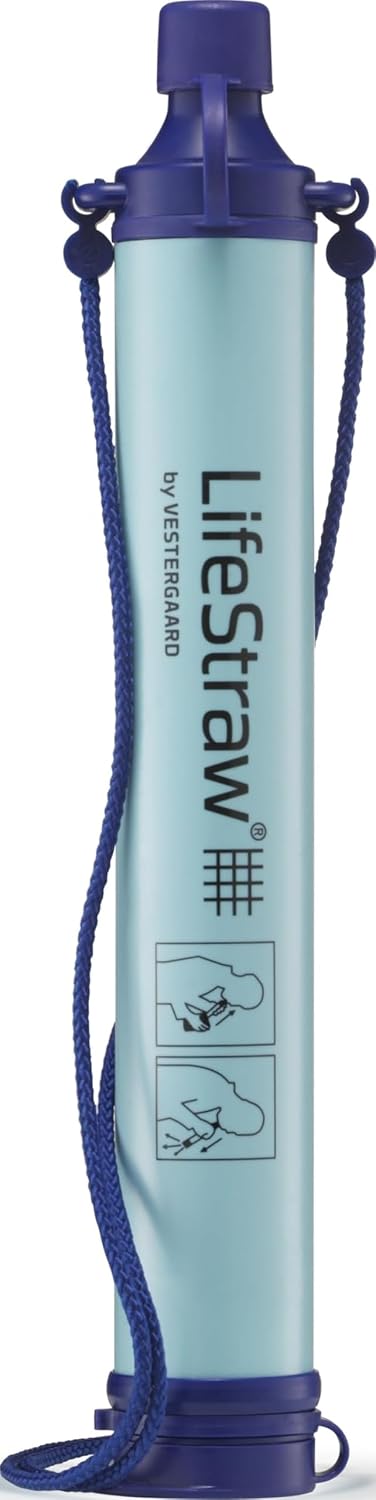
As an Amazon Associate I earn from qualifying purchases.