The Complete Guide to Natural Disaster Prep: Earthquake, Hurricane, Tornado, and Flood

Why This Is Non-Negotiable
Every year, thousands of people stand in the ruins of their homes, soaking wet, injured, or worse — waiting for someone else to save them. They had days of warning in some cases. In others, seconds. Either way, they weren't ready. That's not going to be you.
Natural disasters don't care about your schedule, your bank account, or your excuses. Earthquakes don't send a text. Tornadoes don't wait for you to charge your phone. Floods don't stop rising because you didn't think it would get that bad. The brutal truth is this: if you're not prepared before the event, you are a liability during it — to yourself, your family, and the first responders who have to risk their lives to reach you.
This guide covers the four most destructive and common natural disasters in North America. Whether you're in the Pacific Northwest earthquake zone, the Gulf Coast hurricane belt, Tornado Alley, or a flood-prone river valley, what follows is a comprehensive, actionable system for getting your people and your property through it alive.
Section 1: What You Need Before You Start — Prerequisites, Gear, and Materials
Before you can build a disaster plan, you need a foundation. Don't skip this. Trying to prep without these elements is like building on sand.
- Risk Assessment: Know what disasters are most likely in your specific region. Use FEMA's Flood Map Service Center, the USGS Earthquake Hazards Program, and NOAA's storm probability maps. This is not optional — your prep must match your threat environment.
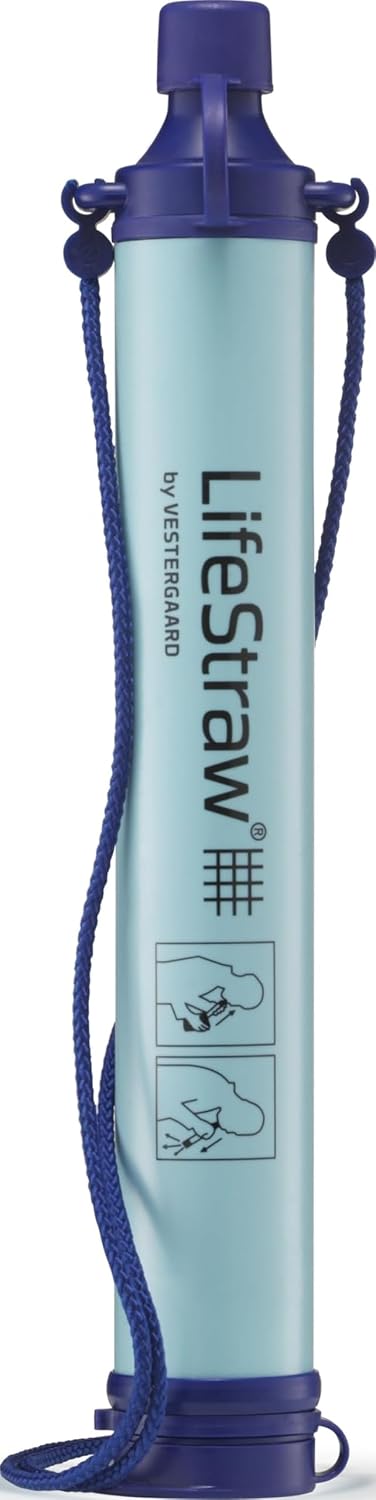
- 72-Hour Go-Bag (Per Person): A quality pack like the Mystery Ranch 3-Day Assault Pack or a no-frills MOLLE-compatible bag loaded with water (1 liter minimum, LifeStraw or Sawyer Squeeze filter as backup), three days of calorie-dense food (freeze-dried meals, CLIF bars, peanut butter packets), a first aid kit (Adventure Medical Kits Trauma Pak recommended), emergency mylar blankets, and a change of weather-appropriate clothing.
- Water Storage: Minimum one gallon per person per day for 14 days. WaterBOB bathtub bladders (100-gallon capacity) are excellent for hurricane pre-staging. Blue Barrel 55-gallon drums with a hand pump and food-safe bung wrench for long-term storage.
- Communication Gear: A hand-crank or solar-powered NOAA weather radio (Midland ER310 is a solid choice), battery-powered or hand-crank AM/FM, and a pair of GMRS radios for family communication when cell networks go down.
- Documents: Waterproof bag or Pelican case containing copies of IDs, insurance documents, deeds, medical records, medications list, and at least $500 cash in small bills.
- Tools: A quality multi-tool (Leatherman Wave+), gas shut-off wrench (earthquake essential), pry bar, work gloves, N95 masks, goggles, and a headlamp with extra batteries.
- Shelter-In-Place Supplies: Heavy-duty plastic sheeting (6 mil minimum), duct tape, and enough stored food, water, and medication for 30 days minimum at home.

Section 2: The Process — Step-by-Step Disaster Preparation by Type
Earthquakes
- Secure your structure: Bolt your water heater and large appliances to wall studs using earthquake straps. Use museum putty or furniture anchors for bookshelves, cabinets, and heavy mirrors. Install latches on cabinet doors to prevent contents from spilling.
- Know your safe zones: Identify interior walls and sturdy tables in every room. Ditch the doorframe myth — it's outdated. Drop, Cover, and Hold On under a solid table or against an interior wall away from windows.
- Gas shut-off readiness: Know where your main gas meter is and keep a flat wrench or dedicated gas shut-off wrench zip-tied to the meter itself. Do not turn it back on yourself — call the utility company.
- Post-quake protocol: Expect aftershocks. Do not re-enter a structurally compromised building. Check for gas leaks (smell only — do not use open flame or light switches). Shut off water at the main if pipes are visibly damaged. Render first aid using your Trauma Pak before moving injured people unless there's immediate environmental danger.
Hurricanes
- Track and act early: When a storm enters the Gulf or Atlantic and is projected within 5 days of your location, begin staging. Fill WaterBOB bladders, charge all electronics, pull cash, and top off vehicle fuel. Gas stations will run dry within 48 hours of a mandatory evacuation announcement.
- Harden your home: Install plywood shutters (5/8-inch CDX minimum) or rated hurricane shutters. Bring all outdoor furniture inside. Trim dead branches within 48 hours of projected landfall. Sandbag doorways and garage entrances if flooding is projected.
- Decide: shelter or evacuate? Category 1-2 in a solid inland structure — you can likely shelter in place. Category 3 and above or any coastal/low-lying area — you leave. Have two evacuation routes mapped. The second one exists because the first will be clogged.
- Post-storm: Do not drive through standing water — 12 inches can sweep a vehicle. Wear boots and gloves when moving debris. Floodwater is sewage. Document all damage with photos before touching anything for insurance purposes.
Tornadoes
- Shelter identification: Your basement or a reinforced interior room on the lowest floor (bathroom, closet, under stairs) is your only reliable protection. Mobile homes offer zero protection. Leave immediately and go to a community shelter or a nearby solid structure.
- Warning systems: A Midland WR400 or similar weather radio set to your county SAME code will wake you at 3 a.m. when a warning is issued. Your smartphone alone is not sufficient — cell networks overload in severe weather events.
- When the siren goes: Helmet on (bicycle helmet is better than nothing), shoes on, go-bag grabbed, get low. Protect your head and neck with your arms. Cover with a mattress or heavy blankets if available.
- Post-tornado: Watch for downed power lines — treat every line as live. Check for gas and structural damage before re-entry. Account for every family member using your pre-established rally point.
Floods
- Know your flood zone: FEMA's Flood Map is your starting point. If you're in Zone A or AE, flooding is not a question of if — it's when. Elevation certificates and flood insurance are not optional for high-risk zones.
- Pre-flood hardening: Sandbags work — but only if you fill and place them correctly (staggered like bricks, plastic sheeting underneath). Inflatable flood barriers like those from PS Flood Barriers are more effective and reusable. Backflow valves on sewer lines prevent sewage backup into your home.
- Vertical evacuation kit: If you live in a flood zone and can't always get out in time, stage a kit on your second floor or roof: signal mirror, whistle, bright orange tarp, rope, and enough water and food for 72 hours.
- Never underestimate moving water: Six inches of moving floodwater can knock an adult off their feet. Two feet will carry away most vehicles. When in doubt, get to high ground and stay there.
Section 3: Tips From the Field — Real-World Adjustments
- Pre-position supplies: Don't keep everything in one location. Store a secondary go-bag at your workplace and a basic kit in your vehicle. A disaster can separate you from your home base fast.
- Sandbag alternative: If sandbags aren't available, fill heavy-duty contractor garbage bags (3 mil or thicker) with soil or gravel. Not perfect, but functional in a pinch. Old pillowcases work for short-duration use.
- Generators and carbon monoxide: Every year people die running generators in garages or inside homes. Run it outside, at least 20 feet from any window or door. A battery-powered CO detector near your sleeping area is non-negotiable if you're using a generator or any fuel-burning appliance indoors.
- The medication problem: FEMA's data consistently shows that failure to maintain prescription medications is one of the top post-disaster health crises. Talk to your doctor now about getting a 30-day emergency supply. Store it with your documents in a climate-controlled, waterproof container.
- Animals slow you down — plan for them: If you have pets or livestock, your evacuation timeline is longer and your logistics are more complex. Know which shelters accept animals. Have carriers, food, water, and vaccination records ready to go.
- Paper maps, always: GPS fails. Cell networks collapse. A laminated county and state road map in every vehicle and go-bag is a $5 solution to a potentially life-threatening navigation problem.
- The neighbor network: Your single greatest post-disaster resource might be your neighbor with a chainsaw, a truck, or medical training. Build those relationships now. Isolated preppers are vulnerable preppers.

Section 4: What to Practice Now — Your 30-Day Skill-Building Plan
Knowledge without practice is trivia. Here's how to spend the next 30 days building real capability:
- Days 1–5: Assessment and inventory. Walk your home with a notebook. Identify structural weaknesses, gas and water shut-off locations, and gaps in your current supplies. Create a written inventory of everything in your go-bags.
- Days 6–10: Communication plan. Establish an out-of-state contact point that all family members can call or text in an emergency. Designate two meet-up locations — one near home, one further away. Program SAME codes into your weather radio. Test your GMRS radios.
- Days 11–15: Physical shelter practice. Run a tornado drill — timed. Everyone in your household goes to the shelter location in under 90 seconds. If they can't, figure out why and fix it. Practice boarding a window with plywood. Time it. It's always slower than you think.
- Days 16–20: Water and food audit. Calculate your actual daily water consumption and verify your stored supply covers 14 days minimum. Rotate any food within 6 months of expiration. Practice using your water filter — drink a full liter from a non-tap source.
- Days 21–25: First aid training. Take a Stop the Bleed course (free, widely available). Review your trauma kit contents and know how to use every item in it. Practice applying a tourniquet to yourself with one hand.
- Days 26–30: Full scenario drill. Pick your most likely disaster and run a 4-hour drill. Shut off the main breaker, don't use running water, navigate using only your paper map, and eat only from your emergency stores. The gaps you discover are exactly what you still need to fix.
Preparation Is a Lifestyle — Not a Weekend Project
Here's the hard truth most people don't want to hear: you are never done preparing. The bag you packed two years ago has expired food in it. The batteries in your flashlight are dead. Your kids have grown and their clothing in the kit no longer fits. The routes out of your city have changed. Your medical needs have changed.
Preparedness is a practice, not a destination. The people who survive natural disasters — the ones who come through it with their families intact, their property protected, and their dignity preserved — are the ones who treat readiness as a continuous discipline, not a one-time purchase.
Review your plan every six months. Update your gear annually. Train your family regularly. Build relationships with prepared neighbors. And never, ever wait for the storm to start preparing for it.
The window is open right now. Use it.
🛒 Essential Survival Gear
As an Amazon Associate I earn from qualifying purchases.