The Bug Out Bag Drill Every Family Needs to Run Right Now

When Seconds Count, Practice Is Everything
It's 2:17 AM. The emergency alert on your phone is screaming. Wildfire, chemical spill, flash flood — pick your nightmare. You have fifteen minutes to get your family out the door and moving to safety. Your bug out bags are in the closet. Your kids are half-asleep and confused. Your spouse is asking where the car keys are. This is not the moment to figure out if your plan actually works. This is the moment your plan either saves your family or fails them. The only thing standing between chaos and control is whether or not you've done the work before this night arrives.
The Reality Most People Ignore
Most preppers spend hundreds — sometimes thousands — of dollars building out their bug out bags. They research the best fire starters, the right water filtration systems, the most compact emergency shelters. They watch YouTube videos, read forums, and feel confident they're ready. Then they put those bags in a closet and never touch them again. That is not preparedness. That is a false sense of security wearing a tactical vest.
Here's the hard truth: a bag you've never practiced with is almost as dangerous as no bag at all. You don't know if your kids can actually carry their load. You don't know how long it truly takes your family to get out the door. You don't know if Grandma's medications made it into the bag. You don't know if the flashlight batteries are dead. You don't know if your 10-year-old remembers the rally point. You think you know. But you don't know.
The military doesn't just issue equipment and say "good luck." They drill. They train. They run scenarios until the right actions become muscle memory. FEMA, for all its institutional shortcomings, consistently reports that the households that fare best in disasters are those with a practiced, rehearsed plan — not just a written one. The California wildfires of 2018 and 2023, Hurricane Katrina, and the 2011 Joplin tornado all tell the same story: the families who moved fast and moved smart had practiced moving fast and moving smart before the emergency happened.
A bug out bag drill is not a fun weekend activity. It is a serious training exercise that will expose the gaps in your preparedness plan — gaps that you absolutely need to find now, before they find you at the worst possible moment.

Core Principles and Knowledge Breakdown
Before you run your first drill, you need to understand what you're actually testing. A bug out bag drill has four core objectives:
- Speed: How fast can your family be fully ready to move? The target for most scenarios should be 15 minutes or less from alert to out the door.
- Completeness: Does every bag have everything it needs? Are critical documents, medications, and communication tools accounted for?
- Capability: Can every family member carry their load and perform their assigned responsibilities under stress?
- Communication: Does everyone know the plan, the rally points, and the fallback options?
Start with the bags themselves. Each family member — including children old enough to carry a pack — should have their own bug out bag sized and weighted appropriately. A general rule: no one should carry more than 25% of their body weight for an extended evacuation. Children's bags should be 10-15% of their body weight and contain only what they can genuinely manage. A child with a bag that's too heavy becomes a liability, not an asset.
Every bag in your household should contain, at minimum:
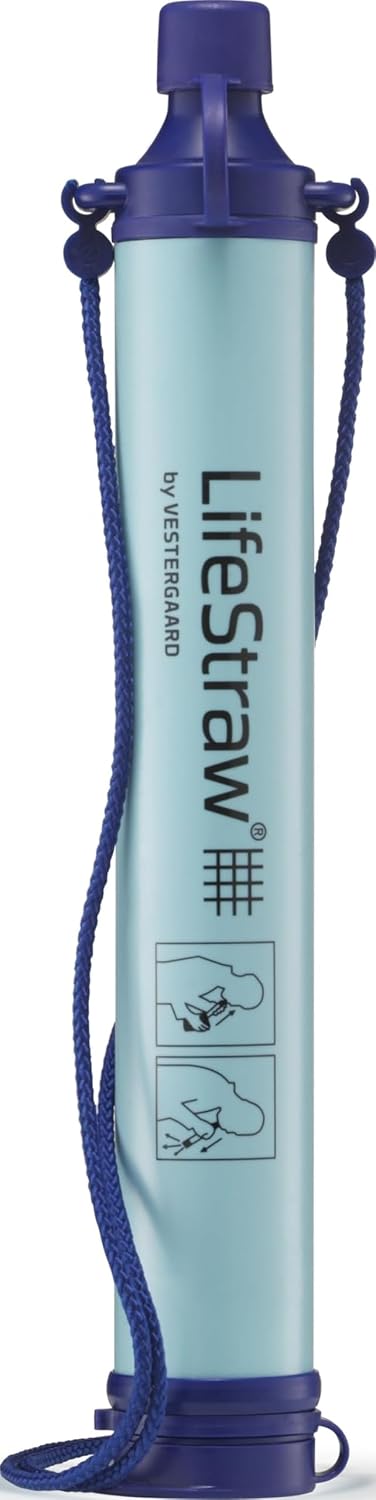
- 72-hour water supply or a quality filtration system like a Sawyer Squeeze or LifeStraw with water pouches
- High-calorie, compact food — think emergency ration bars, freeze-dried meals, and dense trail food
- A fire starting kit: waterproof matches, a ferro rod, and a lighter — never rely on just one method
- Emergency shelter: a quality mylar bivvy or a compact tarp with paracord
- A first aid kit with supplies relevant to your family's specific medical needs
- Flashlight or headlamp with extra batteries — test them
- A physical map of your region and a compass — phones die and towers go down
- Personal documents in a waterproof pouch: IDs, insurance cards, emergency contacts, cash in small bills
- Communication: a hand-crank or battery-powered weather radio and a written list of out-of-area contact numbers
Beyond gear, your drill must test your routes and rally points. Every family needs at least two evacuation routes out of your neighborhood and two out-of-area rally points: one close (5 miles) and one distant (50+ miles). Your family should know these from memory. Not from a phone. From memory.
Building This Into Your Prep Plan
Your first drill should be announced. Tell your family what day and what time. The goal isn't to surprise anyone — it's to run the sequence and measure it. Walk through the entire process together. Set a timer the moment the "alert" goes off. Watch what happens. Take notes without judgment.
Here's a structured approach to running your first drill:
- Set the scenario: Give a realistic reason for bugging out. A wildfire moving toward your area. A major infrastructure failure. A hazmat incident three miles away. Make it real enough that everyone engages seriously.
- Sound the alert: Use your actual emergency alert method — whether that's your phone's alarm, a dedicated alert system, or a code word. Practice starting from the alert, not from everyone already being awake.
- Start the clock: Time everything from the first alert to the moment the last family member is standing at the front door or vehicle, bag on back, ready to move.
- Run a bag check: Before anyone gets in the vehicle, do a verbal inventory. Go through each critical category out loud. This catches forgotten medications, missing documents, and empty water bottles.
- Drive the primary route: Actually drive your primary evacuation route and note where traffic bottlenecks exist, where gas stations are located, and where your first waypoint is.
- Debrief immediately: When the drill ends, sit down as a family and talk about what worked and what didn't. No blame. Only solutions.
After your first announced drill, give yourself two weeks to fix the gaps you found. Update the bags. Reassign responsibilities. Then run a second drill — this time unannounced. This is where you find out what your family actually retains under surprise conditions. Expect it to be harder. That's the point.
Build a drill calendar. Aim for at minimum one full bug out bag drill per quarter — four per year. Vary the scenarios, the time of day, and the conditions. A drill run in daylight on a Sunday afternoon is very different from one run on a rainy Tuesday night when everyone is tired.

Advanced Level — What Serious Preppers Do Differently
Once your family can consistently hit the 15-minute threshold with complete bags and a calm demeanor, it's time to escalate. Serious preppers don't just drill the departure — they drill the journey and the destination.
Add stress inoculation. Introduce controlled stress into your drills. Run one in the dark with only flashlights. Run one in cold weather. Run one where the primary vehicle is "unavailable" and you have to operate on foot or use a secondary vehicle. Stress reveals the cracks that comfort hides. You want to find those cracks in a drill, not a disaster.
Test your routes on foot. If your scenario ever includes infrastructure collapse — roads blocked, bridges out, fuel unavailable — can your family actually walk to your secondary rally point? Map a 5-mile walking route. Walk it as a family. Identify the physical weak points. Adjust load weights and conditioning expectations accordingly.
Practice skills, not just procedures. A drill isn't just about moving bags from a closet to a vehicle. Incorporate skill stations into your quarterly training: have your kids demonstrate how to purify water with a filter, how to signal for help with a mirror, how to use a compass to orient a map. These skills need to live in your family's hands, not just in your head.
Build communication redundancy. Serious preppers establish out-of-area contact protocols, designate a family communication officer, and have a written rally plan that doesn't depend on working cell towers. Consider investing in a pair of quality FRS/GMRS radios for short-range family communication and a ham radio setup for longer-range contact. Make sure family members know how to use all of them.
Integrate your bug out destination into the drill. Where are you actually going? A relative's house? A pre-scouted campsite? A storage unit with supplies? Your drill is incomplete if it ends at the front door. Know your destination, have a confirmed contact there, and verify that your vehicle can reach it on a single tank of fuel — or know where you'll stop to refuel.
Document and track improvements. Keep a drill log. Record your time, what was missing, what broke down, and what improved. Watching your family's time drop from 28 minutes to 11 minutes over six months is more than motivating — it's proof that your training is working.
Your Action Plan — What to Do in the Next 30 Days
Don't let this article be something you read and file away. The preparedness gap between people who read and people who act is the only gap that matters. Here is your 30-day action plan:
- Days 1–7: Audit every bug out bag in your household. Lay everything out on the floor. Check expiration dates on food and medications. Test every battery-powered device. Repack deliberately and confirm every bag meets your 72-hour standard.
- Days 8–14: Hold a family planning meeting. Assign roles for every family member. Establish your two evacuation routes and two rally points. Write these down. Laminate them. Put a copy in every bag and in your vehicle.
- Days 15–21: Run your first announced drill. Set the scenario, sound the alert, time the response, run the bag check, and drive the primary route. Hold your debrief and write down every gap you found.
- Days 22–28: Fix the gaps. Order any missing gear. Update documents. Adjust bag weights. Practice any skills that your debrief identified as weak points.
- Days 29–30: Schedule your next three drills on the calendar right now. Put them in your phone, on your wall calendar, and tell your family the dates are locked. Quarterly minimum. Semi-annually at bare minimum if your schedule is truly constrained.
Self-Reliance Is Not a Mindset. It's a Practice.
At the end of the day, no government agency, no neighbor, and no emergency system is going to save your family faster than you can. The first responders will get there when they can. FEMA will arrive days later. The only people who are truly accountable for your family's survival in the first 72 hours are the people sitting around your dinner table right now. That responsibility is not a burden — it is a privilege. It means you have the power to protect the people you love most, if you choose to exercise it. A bug out bag drill is not a paranoid exercise for people who expect the worst. It is the most loving, responsible act a parent or partner can perform — because it says, clearly and without apology: I will not leave our safety to chance. Get your family moving. Run the drill. Close the gap. That's what it means to be truly prepared.
🛒 Essential Survival Gear
As an Amazon Associate I earn from qualifying purchases.