The Bug Out Bag Checklist Every Beginner Needs Before It's Too Late

The Reality Most People Ignore
Picture this: It's 2 AM. Your phone blares an emergency alert. A chemical plant explosion, a fast-moving wildfire, a grid-down event — it doesn't matter which. What matters is that you have 15 minutes to grab your family and get out. Most people will stand in their kitchen, paralyzed, grabbing random items in a panic. They'll leave without water, without a plan, without a fighting chance. That is not going to be you.
The hard truth is that 72% of Americans have no emergency kit whatsoever. Zero. They are completely dependent on a system — FEMA, local government, grocery store supply chains — that has proven, repeatedly, that it will fail them. Hurricane Katrina. The Texas grid collapse. The LA wildfires. Every single time, the people who survived and thrived were the ones who had prepared before the chaos hit. A bug out bag isn't paranoia. It's the most responsible thing you can do for your family.
Core Principles and Knowledge Breakdown
Before you spend a single dollar on gear, you need to understand what a bug out bag actually is — and what it isn't. A bug out bag, or BOB, is a pre-packed bag that sustains you and your family for 72 hours minimum while you move from a dangerous location to a safe one. It is not a camping bag. It is not a hiking bag. It is an emergency survival system built around five non-negotiable pillars:
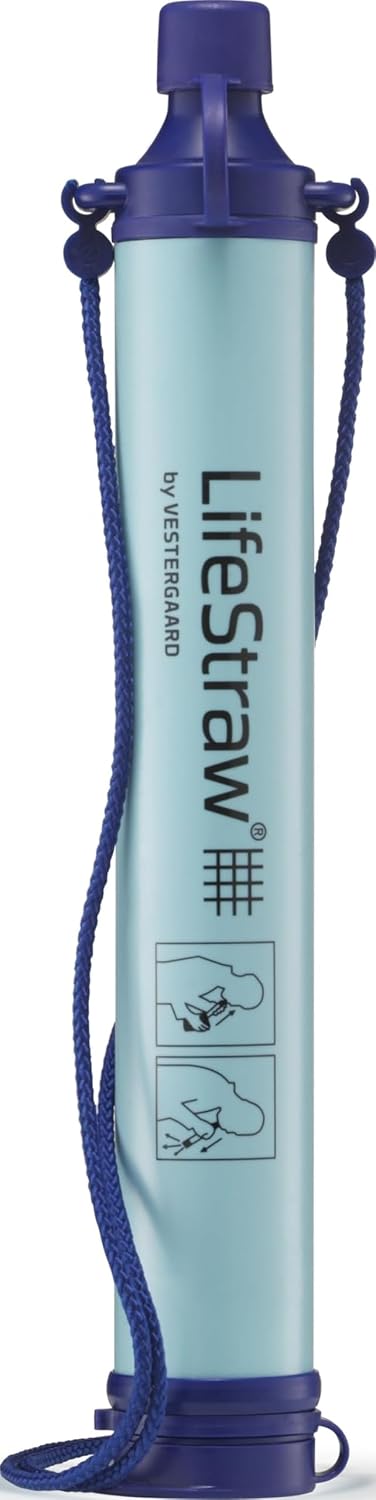
- Water and Hydration: You can survive three weeks without food. You have three days without water, and that's being generous. Your BOB must address water first. Pack at minimum one liter of water per person per day — that's three liters minimum for a solo kit. Add a quality water filter like a Sawyer Squeeze or LifeStraw, plus water purification tablets as a backup. Two systems, never one.
- Food and Calories: You need calorie-dense, lightweight food. Think freeze-dried meals, energy bars, trail mix, and jerky. Aim for 1,500–2,000 calories per day. This isn't the time for comfort eating — it's the time for fuel. Pack a lightweight titanium spork and a small camp stove with fuel tabs if weight allows.
- Shelter and Warmth: Exposure kills faster than almost anything. A quality mylar emergency blanket, a lightweight tarp or bivy sack, and 550 paracord give you the foundation to build emergency shelter in nearly any environment. Don't overlook a quality wool or synthetic base layer — cotton kills in cold, wet conditions.
- Fire Starting: Fire is your heat, your water purifier, your morale booster, and your signal for rescue. Carry at least three fire-starting methods: a quality Bic lighter, a ferrocerium rod, and waterproof matches in a sealed container. Practice with all three before your life depends on them.
- First Aid and Medical: A trauma-capable first aid kit is non-negotiable. This means more than bandages. You need a tourniquet (learn to use it), QuikClot or similar hemostatic gauze, a chest seal, Israeli bandages, and any personal prescription medications. At minimum, take a Stop the Bleed course — it's free, it's fast, and it will save lives.
Beyond those five pillars, every serious beginner BOB should also include:
- A reliable fixed-blade knife (Mora Companion or similar)
- Headlamp with extra batteries (Petzl or Black Diamond)
- Paper maps of your region and a compass — electronics fail
- Cash in small bills — ATMs go dark when the grid goes down
- Copies of critical documents in a waterproof bag (IDs, insurance, deeds)
- A whistle and signal mirror for rescue situations
- Work gloves and eye protection
- Two changes of moisture-wicking clothing, including extra socks
- Dust mask or N95 respirator
- A reliable handheld ham radio or Baofeng UV-5R for communication

Building This Into Your Prep Plan
Here's where most beginners make their first critical mistake: they buy a pre-made bug out bag off Amazon, throw it in a closet, and consider themselves prepared. They are not. Gear without knowledge is just weight on your back.
Building your bug out bag into your prep plan means three things: customization, practice, and integration.
Customization: Your bag must be built around your specific family's needs. Do you have an infant? You need diapers, formula, and baby medication. Do you have a family member on heart medication? You have 30 days to get a 72-hour supply set aside. Do you have elderly parents with mobility issues? Your bug out plan needs to account for their pace and their needs. A generic checklist is a starting point — your family's reality is the blueprint.
Practice: Load your bag and walk with it. A fully loaded BOB for one adult should weigh no more than 25–30% of your body weight — ideally less. If you're packing 60 pounds and you haven't trained, you'll be a liability, not an asset, in a real emergency. Do test runs. Do a 5-mile hike with your full kit. Time yourself. Find the weak points before the emergency does.
Integration: Your BOB doesn't exist in isolation. It connects to your bug out routes (have at least three), your bug out location (a relative's home, a cabin, a campsite you've pre-positioned supplies at), and your communications plan. Every adult in your family should know the plan. Every older child should know where the bag is and how to grab it.
Advanced Level — What Serious Preppers Do Differently
Once you've built your baseline kit and practiced with it, the real work begins. This is where serious preppers separate themselves from dabblers.
They layer their preps. They have a get-home bag in their vehicle for getting back to their house from work. They have a 72-hour BOB for immediate evacuation. They have a 2-week extended kit cached or at their bug out location. Three layers of preparation, not one.
They build skills, not just gear stacks. A $400 first aid kit means nothing if you don't know how to use it. Serious preppers take wilderness first aid courses, ham radio licensing, land navigation courses, and basic trauma response training. Gear is a tool — skills are the multiplier.
They have pre-positioned caches. Along their primary bug out routes, advanced preppers have buried or stored supply caches: water, food, ammunition, and fuel positioned at strategic intervals. If your bag gets lost or stolen during an evacuation, you're not finished.
They rotate their supplies. Medications expire. Food degrades. Batteries discharge. Every six months, serious preppers audit their BOBs, rotate perishables, test their gear, and update for any family changes. A bug out bag that hasn't been audited in two years is a false sense of security.

Your Action Plan — What to Do in the Next 30 Days
Stop planning to prepare and start preparing. Here's your 30-day roadmap:
- Week 1 — Water and Shelter: Purchase water storage, a quality filter, and purification tablets. Buy a tarp, paracord, and emergency bivy. Practice setting up a basic debris shelter or tarp shelter in your backyard.
- Week 2 — Food and Fire: Build your 72-hour food supply using calorie-dense options. Purchase three fire-starting methods and practice with each one until you can reliably produce fire in under two minutes. No excuses.
- Week 3 — Medical and Navigation: Assemble or purchase a trauma-capable first aid kit and register for a Stop the Bleed class. Print physical maps of your county and state. Purchase a quality compass and watch one navigation tutorial. Walk your primary bug out route on foot if possible.
- Week 4 — Audit, Pack, and Brief: Pack everything into a quality bag (MOLLE-compatible, 40–65 liter capacity). Weigh it. Adjust it. Then sit your family down and walk them through the plan. Where is the bag? What are the three routes out? Where do you meet if separated? Who do you call first?
Thirty days from now, you can either have a real, functional bug out system — or you can still be thinking about getting around to it. One of those choices protects your family. The other doesn't.
The Bottom Line
Self-reliance isn't a hobby. It isn't a trend. It's a commitment you make to the people who depend on you. When the emergency sirens go off — and they will — the only question that matters is whether you're ready. Build your bag. Learn your skills. Know your routes. Your family's safety is worth every minute and every dollar you invest in being prepared. Don't wait for a disaster to teach you what you should have learned today.
🛒 Essential Survival Gear
As an Amazon Associate I earn from qualifying purchases.