The 10 Most Likely SHTF Scenarios and Exactly How to Prep for Each One

Why Most Preppers Are Preparing for the Wrong Thing
Most people waste time and money prepping for low-probability disasters while ignoring the threats that are statistically most likely to hit them. A nuclear war is possible. A week-long power outage, a job loss, or a regional hurricane? That's nearly guaranteed at some point in your lifetime. Prep smart. Prep for what's coming, not just what's dramatic. Here are the 10 most likely SHTF scenarios — ranked by probability — and the exact steps to get ahead of each one.
The 10 Scenarios, Broken Down
1. Extended Power Grid Failure (1–4 weeks)
This is your highest-probability scenario. Storms, cyberattacks, and infrastructure failure make it inevitable.
Prep: Store a minimum 72-hour supply of water (1 gallon per person per day), scale to 30 days. Own a 2,000W+ dual-fuel generator, 10 gallons of stabilized gasoline, and a manual hand pump for your well if applicable.
2. Job Loss / Economic Collapse (Personal or Regional)
Financial SHTF hits more families than any natural disaster.
Prep: Build a 6-month emergency fund. Maintain a 90-day food stockpile using rice, beans, canned proteins, and freeze-dried staples. Learn one income-generating skill you can perform without a job title.
3. Severe Weather Event (Hurricane, Tornado, Blizzard)
Location determines your threat, but everyone faces extreme weather eventually.
Prep: Build a grab-and-go bug-out bag with 72 hours of supplies. Keep your vehicle above half a tank. Know two evacuation routes from your home. Store a NOAA weather radio with backup batteries.
4. Medical Emergency / Grid-Down First Aid
When EMS can't reach you in time, you are the first responder.
Prep: Complete a Stop the Bleed course and a basic wilderness first aid class. Stock a trauma kit: Israeli bandages, tourniquets (CAT or SOFTT-W), QuikClot gauze, chest seals, and a 30-day supply of personal prescription medications.
5. Water Supply Contamination or Disruption
Municipal water fails more often than people admit.
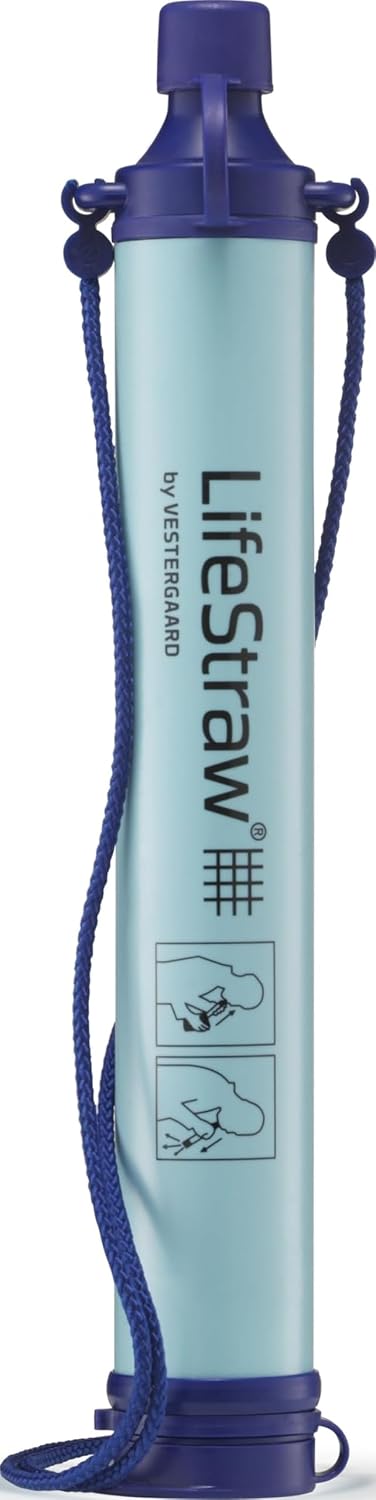
Prep: Store 55-gallon water barrels with a hand pump. Own a gravity filter like a Berkey or Sawyer Squeeze. Learn to identify and treat local water sources. Stock water purification tablets (minimum 200 tablets per person).
6. Civil Unrest / Looting
Disasters don't just knock out power — they knock out social order.
Prep: Reinforce entry points — 3-inch door screws, door jamb reinforcement kits. Know your state's self-defense laws. Build relationships with neighbors now. Keep a low profile during a crisis. Don't announce your preps.
7. Food Supply Disruption
Supply chains are fragile. Three days of panic buying empties store shelves.
Prep: Maintain a rotating 90-day pantry: 25 lbs of rice, 25 lbs of dried beans, canned vegetables, cooking oils, salt, and sugar per person. Add freeze-dried protein pouches for calorie density. Learn to garden — even container gardening matters.
8. Wildfire or Forced Evacuation
You may have 15 minutes to leave. Everything else burns.
Prep: Keep important documents in a fireproof bag or digital cloud backup. Pre-pack go-bags for every family member. Establish a family rally point and out-of-state contact. Clear defensible space of 30 feet around your home.
9. Pandemic or Regional Disease Outbreak
COVID was the warm-up. Prep as if the next one is worse.
Prep: Stock N95 masks, nitrile gloves, and basic OTC medications: antivirals, electrolytes, fever reducers, and anti-diarrheal. Maintain 60 days of food so you never have to risk exposure during a shortage.
10. Fuel Shortage or Transportation Collapse
No fuel means no food deliveries, no generators, no evacuation.
Prep: Store 10–25 gallons of treated gasoline with PRI-G stabilizer (extends shelf life to 2+ years). Own a quality bicycle as a backup transport. Keep vehicle maintenance current and carry a basic roadside repair kit.

The Mistakes That Will Get You Killed
- Single-threat prepping: Building only for one scenario leaves you naked in every other. Stack preps that serve multiple threats — water, food, and medical apply to all 10 above.
- No practice runs: Gear you've never used fails when it matters. Test your generator under load. Filter water from your backyard. Run a 72-hour power-off drill.
- Ignoring the human threat: A third of your prep energy should address security and community. Lone wolves rarely survive extended SHTF.
- Stockpiling without rotating: Food and water have shelf lives. Use a first-in, first-out system. Check expiration dates every 6 months.
- No communication plan: Own a set of FRS/GMRS radios (minimum 22-mile range), a hand-crank emergency radio, and establish a family communication protocol before you need it.
What to Do This Weekend
Pick the top three scenarios most likely to affect your specific location. Audit what you currently have against those threats. Fill the biggest gap first — whether that's water storage, a trauma kit, or a 30-day food supply. Don't wait for perfect. Start imperfect and improve every week. The time you spend preparing this weekend is time you won't spend panicking when it counts.

🛒 Essential Survival Gear
As an Amazon Associate I earn from qualifying purchases.