Pemmican: The Forgotten Survival Food That Could Save Your Family's Life When Everything Else Runs Out
The Reality Most People Ignore
Picture this: It's day eleven after a grid-down event. The grocery stores were stripped bare in the first 72 hours. Your freeze-dried food supply ran out on day eight, and your family is starting to feel the weight of real hunger. The average American has less than three days of food in their home at any given time — and most of what they do have requires electricity, running water, or refrigeration to be useful. That's not a survival plan. That's a disaster waiting to happen.
Most preppers focus on water filters, bug-out bags, and firearms — and those things matter. But food is the long game, and the long game is where most families lose. You can survive three weeks without food, but you'll be weak, mentally impaired, and unable to defend or care for your family long before that clock runs out. The solution isn't more freeze-dried meals or another case of canned beans. The solution is learning to make pemmican — the most calorie-dense, shelf-stable, historically proven survival food ever created by human beings.
Indigenous peoples across North America carried pemmican on journeys of hundreds of miles. Arctic explorers survived brutal winters on it. It requires no refrigeration, no electricity, and no special equipment to consume. And yet almost nobody in the modern prepper community knows how to make it correctly. That changes today.
The Reality Most People Ignore
Let's talk about what survival food actually needs to do. It needs to be calorie-dense enough to sustain hard physical labor. It needs to last months or years without spoiling. It needs to be portable — lightweight enough to carry when you're moving on foot. And it needs to be simple enough to make from ingredients you can source or produce yourself. Pemmican checks every single one of those boxes, and it does it better than anything else on the market or in your pantry right now.
Here's the hard truth most preppers refuse to hear: processed survival bars and freeze-dried meals are a crutch, not a strategy. They depend on supply chains, manufacturing facilities, and packaging technology. When those systems fail — and in a serious SHTF scenario, they will fail — you're left with nothing. Pemmican, on the other hand, can be made at home from two or three basic ingredients. It has been independently discovered by survival cultures on multiple continents because it works. It is, at its core, the most primitive and powerful food preservation technology ever developed.
Properly made pemmican stored in a cool, dry, dark environment has been documented to last 3 to 5 years, and some historical accounts reference pemmican caches lasting far longer. Compare that to freeze-dried meals with a 25-year shelf life that still require water and time to prepare — two things that may be in short supply. Pemmican is ready to eat. Right now. No prep, no water, no heat required. When you're on the move or under stress, that matters more than you can imagine until you're actually in that situation.

Core Principles and Knowledge Breakdown
Pemmican has three components: dried meat, rendered fat (tallow), and optional dried berries or herbs. That's it. The science behind why it works is straightforward — you're combining high-quality protein with pure saturated fat in a ratio that provides sustained energy and maximum caloric density per ounce. A single pound of pemmican can contain upward of 3,000 calories. Nothing else you can make at home comes close.
Here's how to make it, step by step:
- Choose your meat. Traditionally, bison was used. Today, lean venison, elk, or even lean beef works well. The key word is lean. Fat in the meat itself will go rancid and ruin your batch. Use the leanest cuts available — top round, eye of round, or back strap from wild game.
- Dry the meat thoroughly. Slice the meat as thin as possible — no thicker than a quarter inch. Lay it out on wire racks and dry it at 160–170°F in your oven or a food dehydrator until it snaps cleanly when bent, with no flexibility remaining. This can take 6 to 10 hours. No moisture can remain. Moisture is the enemy of shelf life.
- Pulverize the dried meat. Once fully dried, use a food processor, blender, or the old-fashioned method of a rock and a hard surface to grind the jerky into a fine powder. You're looking for something close to a coarse flour — not chunky strips.
- Render your tallow. Source beef kidney fat or suet — ask your local butcher. Cut it into small pieces and render it slowly over low heat until all the liquid fat is separated from the solid tissue. Strain through cheesecloth and let it cool slightly. You want it liquid but not scalding hot.
- Combine in a 1:1 ratio by weight. Mix your meat powder and liquid tallow together thoroughly. If you're adding dried berries — traditionally Saskatoon berries were used, but dried blueberries or cranberries work — add them now at about 10–20% of total weight. Berries add carbohydrates and trace vitamins, and they matter in a prolonged survival situation.
- Form and store. Pour the mixture into molds — a simple baking dish lined with parchment paper works fine. Let it set at room temperature. Once hardened, cut into bars, wrap in parchment or wax paper, and store in a cool, dark, dry location. Vacuum sealing will extend shelf life even further.
The ratio of fat to meat is critical. Too little fat and the pemmican will dry out and crumble. Too much and it becomes soft and greasy and won't hold together. A 50/50 ratio by weight is the standard starting point. Once you've made a few batches, you'll develop a feel for the consistency that works best in your climate.
Building This Into Your Prep Plan
Knowing how to make pemmican is only half the equation. The other half is building a system around it that becomes a genuine, reliable layer of your family's food security. Here's how serious preppers integrate pemmican into their overall plan:
- Source your ingredients in bulk. Establish a relationship with a local butcher or rancher. Suet is often cheap or free — most butchers throw it away. Lean beef or game is the bigger investment. If you hunt, this entire process becomes nearly cost-free.
- Make it a seasonal practice. Fall hunting season is the perfect time to process large quantities of game into pemmican. One deer can yield a significant amount of dried meat. Process it immediately, make your pemmican, and add to your supply every season.
- Build a dedicated cache. Your pemmican supply should be stored separately from your everyday food stores. This is your emergency layer — the food that doesn't get touched until things get serious. Label everything with the date of production.
- Train your family to eat it. This sounds obvious, but it's not. Pemmican has a strong, distinct flavor that takes some getting used to. Introduce it during normal times — on camping trips, during hikes, as a practice meal. The last thing you want is a crisis situation where your kids refuse to eat the only reliable food you have.
- Integrate it with your bug-out plan. Each bug-out bag in your household should contain pemmican bars. At approximately 3,000 calories per pound, a three-pound supply per person provides roughly nine days of emergency calories in a package that weighs less than most people's daily gear loadout.

Advanced Level — What Serious Preppers Do Differently
Making a batch of pemmican once is a skill. Building a lifestyle and system around it is preparedness. Here's what separates the serious preppers from the hobbyists:
They source locally and build redundancy. Advanced preppers don't rely on a single source for their ingredients. They have a primary butcher, a secondary contact at a local farm, and the hunting skills to produce their own raw materials when needed. If one source dries up, the system doesn't collapse.
They experiment with recipes. Standard pemmican is the baseline. Serious preppers have developed variations — adding rendered bone marrow for additional fat and flavor, using bear fat which has a higher smoke point and different nutritional profile, or incorporating dried wild herbs with known nutritional or medicinal properties. Garlic powder, rosemary, and dried nettles are all historically documented additions that improve both flavor and nutritional density.
They track their inventory with discipline. Every bar is logged — date of production, weight, storage location, and projected expiration. They rotate stock and consume older batches during training events or camping trips, replacing what they use. Their pemmican supply is a living system, not a forgotten box in the basement.
They teach the skill to others. This is the mark of a true preparedness mindset. Your community is part of your survival plan. Teaching your neighbors, your church group, or your preparedness circle how to make pemmican multiplies your group's resilience. A community where multiple households have this skill — and the ingredients on hand — is dramatically more capable of surviving a prolonged food shortage than any single household acting alone.
They think in terms of caloric yield per acre. The most advanced preppers are already planning for a scenario where they must produce their own food supply from scratch. They're thinking about which livestock produces the most suet for the least input, which game animals in their region are most abundant, and how to integrate pemmican production into a broader homestead food system that is genuinely sustainable over years, not weeks.
Your Action Plan — What to Do in the Next 30 Days
Reading about pemmican is worthless if you don't act on it. Here is your specific, no-excuses 30-day action plan:
- Days 1–3: Source your ingredients. Call your local butcher this week. Ask about suet or kidney fat — you want raw, unprocessed fat, not ground beef with fat mixed in. Pick up two pounds of lean beef round while you're there. This entire first batch will cost you less than $20.
- Days 4–7: Make your first batch. Follow the process outlined above. Take notes on what worked and what didn't. Pay attention to the drying time your oven or dehydrator requires to get that snap-clean break in the meat strips. Your first batch teaches you more than any article ever will.
- Days 8–14: Taste test and refine. Share your pemmican with your family. Note the reaction. If the flavor is too strong, consider adding dried berries to your next batch. If it's too crumbly, adjust your fat ratio upward slightly. Document your recipe modifications.
- Days 15–21: Scale up. Make a larger batch — at least five to ten pounds of finished product. This gives you meaningful storage to work with. Vacuum seal what you're not going to consume in the next month and add it to your emergency cache.
- Days 22–30: Build your supply system. Establish your ongoing ingredient source. If hunting season is approaching, make your plan for how you'll process game into pemmican. Set a target — a minimum three-month supply of pemmican calories per person in your household. Write that number down and put it on your prep goals list.
Start now. Not next week. Not after you finish reading other articles. The ingredient call to your butcher takes three minutes. That three-minute call is the difference between a family that has options and a family that doesn't.
The Bottom Line on Self-Reliance
Self-reliance isn't a philosophy — it's a practice. It's the accumulation of real skills, real supplies, and real systems built before you need them. Pemmican represents everything that true preparedness stands for: it's ancient knowledge, proven over centuries by people who lived and died by their ability to sustain themselves in hard conditions. It requires no grid, no supply chain, and no permission from anyone. You make it with your hands, from ingredients you can source or produce yourself, and it will feed your family when nothing else will.
The people who survive serious long-term crises are not the ones with the most gear. They are the ones with the deepest skills. Learn to make pemmican. Practice it until it's second nature. Build your supply with the same seriousness you bring to every other layer of your preparedness plan. Your family is counting on you to be the person who thought ahead, who built the skills, and who made the hard decisions before they became desperate ones. That's what Red Dawn Survival is about. That's what this life demands of us. Now get to work.
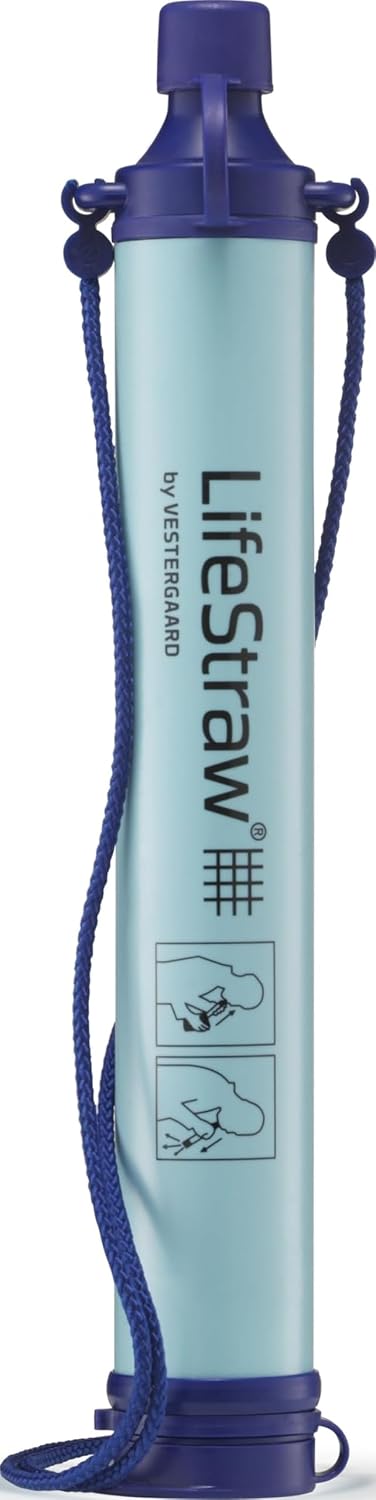
🛒 Essential Survival Gear
As an Amazon Associate I earn from qualifying purchases.