How to Treat Water-Borne Illness Without Medication

Why This Skill Is Non-Negotiable
Waterborne illness kills. Not slowly, not politely — it dehydrates you, drops your core strength, and leaves you incapacitated at exactly the moment you need to be sharp. Giardia, cryptosporidium, cholera, typhoid, E. coli — these aren't abstract threats. They're waiting in every creek, puddle, and unfiltered cistern that looks perfectly clean to the naked eye.
In a grid-down scenario, the pharmacy is closed. The IV drip isn't coming. If you don't know how to manage waterborne illness with what you have on hand — natural materials, basic tools, and hard-won knowledge — you are one bad sip away from a serious problem. This guide is your fallback when modern medicine isn't an option. Learn it now, while the stakes are low.
What You Need Before You Start
Before you treat waterborne illness, you need to know what you're dealing with and have your materials staged. Don't wait until you're vomiting to figure this out.
- Oral Rehydration Salts (ORS) — homemade formula: 1 liter of clean (boiled or purified) water, 6 level teaspoons of sugar, and ½ teaspoon of salt. This is the WHO-standard formula and it saves lives. Know it by memory.
- Activated charcoal: Stock this in your kit. In the field, improvised charcoal from hardwood fires (not treated wood) can adsorb toxins in early-stage illness. It's not perfect, but it buys time.
- Ginger root (fresh or dried): A potent natural antiemetic. Ginger tea reduces nausea and cramping. Grow it, store it, or forage it in temperate zones.
- Oregon grape root or berberine-containing plants: Berberine has documented antimicrobial activity against several GI pathogens. Oregon grape root, goldenseal, and barberry all contain it. Know how to identify and prepare them as a strong decoction.
- Yarrow (Achillea millefolium): Useful for fever reduction and mild antimicrobial action when brewed as a tea. Learn to identify it — it's widespread across North America.
- Clean water source and means to boil: A metal container, fire-starting capability, and a reliable water source are baseline requirements. No treatment works without clean water to deliver it.
- Rest environment: If you're managing a sick person or treating yourself, establish a sheltered, warm, stable position. Exertion worsens dehydration and prolongs recovery dramatically.

The Process — Step by Step
- Stop the exposure immediately. Identify the contaminated water source and cut it off. Do not drink from it again under any circumstances. Switch to boiled water only — a rolling boil for one full minute (three minutes above 6,500 feet elevation).
- Assess severity. Mild illness presents as loose stools, mild cramping, and low-grade nausea. Severe illness includes bloody stool, high fever (above 103°F), confusion, sunken eyes, or no urination for 8+ hours. Severe cases require aggressive intervention immediately.
- Begin oral rehydration immediately. Mix your ORS formula. Administer it in small sips — 4 to 8 ounces every 15 to 20 minutes. Do not chug. Flooding an irritated gut causes vomiting and makes the problem worse. Consistent, steady intake is the mission.
- Administer activated charcoal (if available) within the first 2 hours. Adult dose is typically 25–50 grams mixed in water. This is most effective against toxin-driven illness. It does not work against viruses. Use it early or not at all.
- Brew a berberine decoction. Simmer one tablespoon of dried Oregon grape root or goldenseal root in two cups of water for 20 minutes. Strain and drink half a cup three times per day. Bitter, yes. Effective against bacterial pathogens, also yes.
- Manage fever with yarrow tea. Steep one tablespoon of dried yarrow aerial parts in a cup of boiling water for 10 minutes. Drink two to three cups per day. Combine with wet cloth cooling on the neck, wrists, and armpits for high fevers.
- Monitor urine output closely. Clear to pale yellow urine means you're maintaining hydration. Dark yellow or amber means you're behind. No urine output for 8 hours is a medical emergency by any standard — push fluids harder.
- Maintain caloric intake as tolerated. Once vomiting subsides, introduce bland foods — bone broth, rice water, plain cooked grains. Your gut needs substrate to heal. Starving the illness is a myth that prolongs recovery.
- Rest aggressively. This is not optional. Every calorie burned on unnecessary movement is a calorie not spent on recovery. Immobilize the patient or yourself until core symptoms resolve.
Tips From the Field
- Rice water is underrated. Boil white rice in extra water, strain it, and drink the water. It contains electrolytes, is easy on the gut, and helps bind loose stools. It's been used in field medicine across Asia for centuries.
- Don't suppress diarrhea in the first 12 hours. Your body is purging the pathogen. Blocking that process with anti-diarrheal agents (even natural ones like blackberry root bark) too early traps the toxin inside. Let it run for the first half-day, then work to calm it.
- Charcoal and berberine should not be taken at the same time. Charcoal will adsorb the berberine along with everything else. Separate them by at least two hours.
- Watch for secondary infection. A weakened gut lining after a waterborne illness event creates an opening for secondary bacterial infection. Continue the berberine decoction for 5 to 7 days even after symptoms resolve.
- Group scenarios multiply the problem. If one person gets sick from a water source, assume everyone who drank from it is compromised. Start prophylactic ORS and berberine for the whole group immediately.

What to Practice Now — Your 30-Day Skill-Building Plan
- Week 1: Memorize the ORS formula and make a batch. Taste it. Store the ingredients in a labeled kit with your water purification gear.
- Week 2: Learn to identify at least two berberine-containing plants native to your region. Purchase dried Oregon grape root and practice making the decoction. Note the taste, color, and preparation time.
- Week 3: Go on a local plant walk and positively identify yarrow. Harvest a small amount, dry it, and store it. Practice making yarrow tea. Add activated charcoal to your kit if it isn't there already.
- Week 4: Run a full scenario drill. Simulate a 48-hour waterborne illness event — prepare all remedies from your kit, practice your ORS administration protocol, and review your water source backup plan. Write down what gaps you found.
Preparation Is a Lifestyle
There's no shortcut here. Knowing how to treat waterborne illness without medication requires that you've already sourced the plants, stocked the materials, and practiced the protocols — before you need them. The knowledge alone isn't enough if the charcoal is sitting on an Amazon wish list and the Oregon grape root is still growing in the woods.
At Red Dawn Survival, we say it plainly: preparation is not a one-time purchase or a weekend hobby. It is a daily discipline. Build the skill. Stage the materials. Run the drills. The day you need this, you won't have time to learn it.
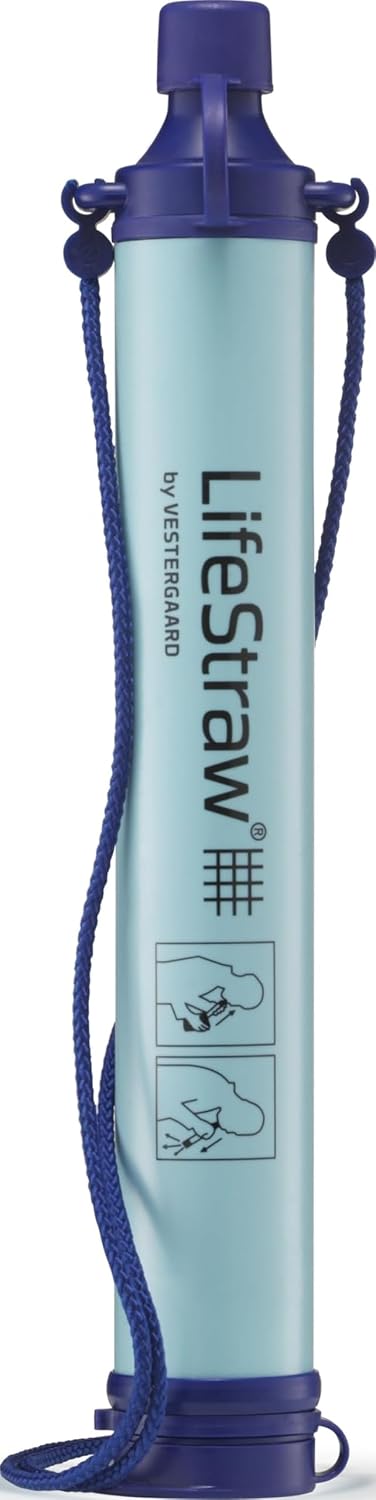
🛒 Essential Survival Gear
As an Amazon Associate I earn from qualifying purchases.