How to Treat Water-Borne Illness Without Medication

Why This Skill Is Non-Negotiable
Grid-down. SHTF. Remote wilderness. Pick your scenario. In every one of them, water-borne illness is one of the top killers — not bullets, not starvation, not exposure. Contaminated water kills more people in disaster scenarios than almost any other single cause. Cholera, giardia, cryptosporidium, typhoid, dysentery — these aren't third-world problems relegated to history books. They are biological realities that emerge the moment sanitation infrastructure collapses and people start drinking from compromised sources.
Here's what happens if you don't have this skill: You or someone in your group starts with stomach cramps and loose stools. Within 24 hours, the diarrhea becomes severe. Dehydration sets in fast — faster than most people expect. Electrolytes crash. Weakness becomes incapacitation. Without intervention, a healthy adult can be in serious danger within 48 to 72 hours. Children and the elderly can deteriorate even faster. And if your group's medical kit runs dry of antibiotics and anti-parasitics, you are on your own.
This is not a scare tactic. This is reality. Learn this now, when you have time, clean water, and access to resources. Because when you need it, you won't have any of those luxuries.
What You Need Before You Start
Before you can treat water-borne illness, you need to understand what you're working with and have the right materials staged and ready. Scrambling for supplies when someone is already vomiting is too late.
- Oral Rehydration Salts (ORS) or ingredients to make them: Commercial packets like Pedialyte powder, DripDrop, or WHO-formula ORS sachets are ideal. Stock at least 50 packets per person per emergency period. If commercial ORS isn't available, you need clean water, sugar, and salt to make your own.
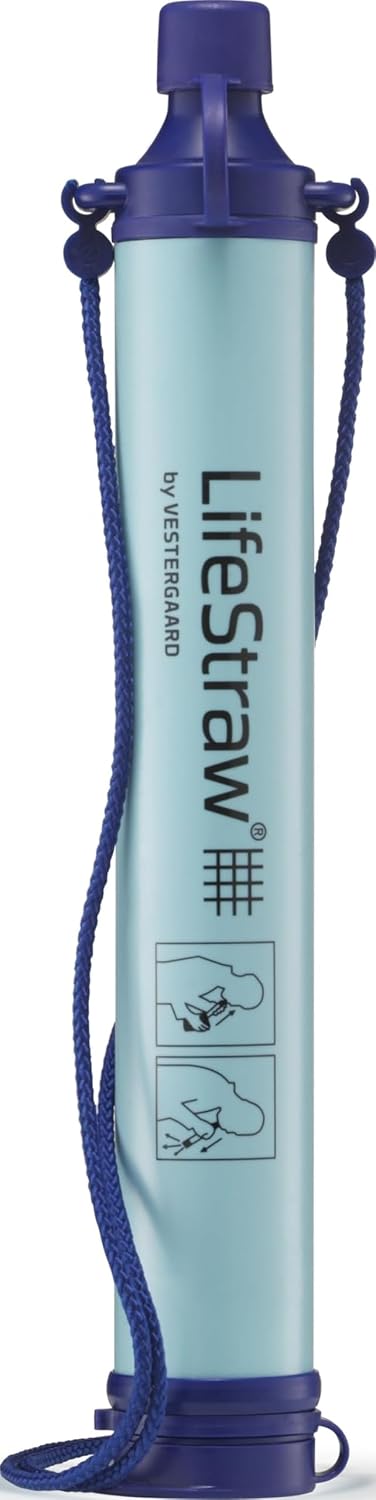
- Clean water supply: Boiling capability is essential — a metal pot, fire source or camp stove, and fuel. A quality water filter like the Sawyer Squeeze or Berkey system for ongoing filtration.
- Activated charcoal: Food-grade activated charcoal capsules (brands like Nature's Way or Bulletproof) help bind toxins in the gut and can reduce severity of bacterial and toxin-based illness episodes.
- Ginger root (fresh or dried): A powerful natural anti-nausea and anti-inflammatory agent. Stock dried ginger powder or grow ginger in your homestead garden.
- Honey (raw): Raw honey has documented antibacterial properties. Manuka honey is the gold standard, but any raw local honey has bioactive compounds that can help.
- Apple cider vinegar (raw, with the mother): Brands like Bragg's. Has antimicrobial properties and can help re-acidify the gut environment.
- Probiotics (shelf-stable): Culturelle or Jarrow shelf-stable capsules. Restoring gut flora after an intestinal illness is critical for recovery.
- Electrolyte tracking knowledge: Know the signs of dehydration and electrolyte imbalance — dry mouth, dark urine, muscle cramping, confusion, sunken eyes.
- A clean, isolated rest area: Contaminated waste is infectious. You need a designated sanitation area away from your water source, food prep, and other group members.

The Process: Step-by-Step Treatment Protocol
Follow this protocol systematically. Don't skip steps because someone "feels okay enough." Water-borne illness is deceptive — patients often feel marginally better mid-crisis before crashing hard.
- Step 1 — Isolate the patient and the source. The moment water-borne illness is suspected, isolate the individual. Enforce strict handwashing with soap or hand sanitizer before and after any contact. Identify and remove the suspected water source from use immediately. If the whole group drank from it, assume everyone is at risk and begin prophylactic hydration for all members.
- Step 2 — Stop the dehydration spiral immediately. This is your first priority. Not comfort, not diagnosis — hydration. Begin oral rehydration therapy right away. If you have commercial ORS packets, mix per instructions. If you don't, make your own: 1 liter of purified, boiled water + 6 level teaspoons of sugar + 1/2 teaspoon of salt. Mix thoroughly until fully dissolved. Have the patient sip — not chug — 200-300ml every hour if they can hold it down. If vomiting is present, give small sips every 5-10 minutes instead.
- Step 3 — Administer activated charcoal (early phase only). If the illness just started — within the first few hours — activated charcoal can help bind bacterial toxins before they fully absorb. Standard adult dose is 25-50 grams mixed with water. Do NOT give charcoal if the patient is unconscious, has ingested a caustic substance, or is more than 6-8 hours into the illness. Charcoal is a first-responder tool, not an ongoing treatment.
- Step 4 — Introduce ginger for nausea and gut inflammation. Steep 1-2 teaspoons of dried ginger root in boiling water for 10 minutes. Strain and cool. Have the patient sip slowly. Repeat every 3-4 hours. Fresh ginger can be chewed in small amounts if tea isn't feasible. Ginger's active compound, gingerol, has well-documented anti-nausea and anti-inflammatory effects that provide genuine relief and reduce vomiting frequency.
- Step 5 — Use raw honey strategically. Once vomiting is under control and the patient can hold down liquids, introduce raw honey. 1-2 tablespoons stirred into warm (not boiling — heat destroys active enzymes) water or ginger tea. Raw honey has demonstrated activity against E. coli, Salmonella, and Staphylococcus in clinical literature. It also provides fast-absorbing simple sugars that help maintain blood glucose during the acute phase when eating is not possible.
- Step 6 — Apple cider vinegar protocol for bacterial illness. Once the acute vomiting phase has passed, introduce raw apple cider vinegar: 1-2 tablespoons diluted in 8oz of water, twice daily. This helps restore the gut's acidic environment, which is hostile to many bacterial pathogens. Do not use this during active vomiting — it will make things worse.
- Step 7 — Enforce rest and caloric management. The body is in crisis mode. Enforce complete rest. When the patient can eat, start with the BRAT protocol — Bananas, Rice, Applesauce, Toast. These are binding, easy to digest, and help restore gut motility without irritating inflamed intestinal walls. Avoid dairy, fatty foods, raw vegetables, and anything spicy for at least 72 hours after symptoms begin to improve.
- Step 8 — Begin probiotic restoration. As the patient stabilizes, begin shelf-stable probiotics. 1-2 capsules twice daily with water, separate from the apple cider vinegar doses. The goal is to repopulate the gut with beneficial flora that the illness has wiped out. This step is frequently skipped and is one reason people remain weak and gut-compromised for weeks after recovery.
- Step 9 — Monitor for red flags that indicate escalating severity. If you see blood in stool or vomit, severe confusion, no urine output for 8+ hours, high fever above 104°F, or the patient cannot retain any liquids whatsoever — you are past the boundary of field treatment. Evacuation to medical care becomes the priority regardless of the scenario cost.
Tips From the Field
Book knowledge is a starting point. Here's what the field teaches you that manuals often leave out.
- Coconut water is a legitimate ORS substitute. Fresh green coconut water closely mirrors the electrolyte profile of commercial ORS and has been used in clinical settings in developing countries when nothing else was available. If you're in a warm climate or have coconut water stored, use it.
- Don't stop diarrhea — manage it. The instinct is to stop diarrhea as fast as possible. Resist it. Diarrhea is your body expelling pathogens. Shutting it down completely with anti-diarrheals can trap bacteria in the gut and extend illness duration or make it worse. Instead, focus on replacing what's lost while the illness runs its course.
- Willow bark tea has fever-reducing properties. White willow bark contains salicin — the natural precursor to aspirin. If fever accompanies the illness, a tea made from dried white willow bark can help manage it. Simmer 1-2 teaspoons of dried bark in 8oz of water for 15-20 minutes. Strain and drink. Do not give to children under 16 (same contraindication as aspirin).
- Yarrow and oregano oil have documented antimicrobial properties. Dried yarrow tea and food-grade oregano oil (diluted in water — never straight) have shown in vitro antimicrobial activity. These are not replacements for antibiotics, but they are legitimate support tools in a prolonged grid-down scenario. Oil of oregano: 2-4 drops in 8oz of water, twice daily.
- Sanitation is treatment. Every contaminated surface, piece of clothing, or piece of waste that isn't properly disposed of is a reinfection vector. Burn or deep-bury waste far from camp. Boil any clothing or linens exposed to infectious material. This is not a comfort recommendation — it is a medical imperative.
- Group exposure means group treatment. If one person in your group got sick, assume others are incubating. Start everyone on hydration support and probiotic protocols proactively. The incubation period for giardia is 1-3 weeks. For bacterial pathogens, it's often 6-48 hours. Act on the assumption that exposure was group-wide.

What to Practice Now: A 30-Day Skill-Building Plan
Knowledge without practice is just trivia. This 30-day plan builds real competency before you need it under pressure.
- Days 1-5: Build your kit. Source and stage all the materials listed above. Verify expiration dates. Make sure every adult in your household knows where the kit is and what's in it. Inventory everything in writing.
- Days 6-10: Make ORS from scratch. Practice making the WHO oral rehydration formula without looking at notes. Get the ratios memorized: 1 liter boiled water, 6 teaspoons sugar, half teaspoon salt. Do it three times until it's automatic. Then identify your backup water boiling setup and make sure it's functional.
- Days 11-15: Herbal preparation practice. Make ginger tea from dried ginger root. Make a willow bark tea decoction. Make an apple cider vinegar dilution. Learn what these actually taste like — and how to make them palatable enough that a sick person will drink them. Practice matters here.
- Days 16-20: Sanitation and isolation protocols. Walk through how you would isolate a sick individual in your home or bug-out location. Where would waste go? How would you enforce handwashing? Where would contaminated linens be stored? Do a real walkthrough, not a mental one.
- Days 21-25: Scenario drill. Run a mock illness scenario with a family member or group member playing the patient. Work through every step of the treatment protocol from start to finish. Time yourselves. Identify gaps in your kit or knowledge.
- Days 26-30: Study and expand. Read one primary resource on wilderness medicine — the Wilderness Medical Society's guidelines are available online. Cross-reference natural remedies with primary research. Write down three things you learned that changed or refined your protocol. Update your kit accordingly.
Preparation Is a Lifestyle — Not an Event
Water-borne illness treatment without medication is not an exotic skill. It's fundamental medicine that humans practiced for thousands of years before pharmaceutical supply chains existed. The knowledge is not lost — but for most people in the modern world, it is dormant. Your job as a prepper, as a homesteader, as someone who takes self-reliance seriously, is to wake that knowledge up and make it operational.
The people who survive prolonged grid-down scenarios are not the ones with the most guns or the biggest bunkers. They are the ones who understood that sanitation, hydration, and basic medical competence are force multipliers that determine whether a group functions or collapses from within.
Stock the supplies. Learn the protocols. Run the drills. Revisit this information every six months and update your kit as your knowledge grows. Preparation is not something you do once and check off a list. It is a discipline, a practice, and ultimately — a way of life that either saves your people or doesn't. There is no middle ground.
Get ready. Stay ready. Red Dawn Survival.
🛒 Essential Survival Gear
As an Amazon Associate I earn from qualifying purchases.