How to Live on 5 Acres: The Complete Self-Reliance Plan

Why Most People Get This Wrong
The fantasy kills more homesteads than drought does. People buy 5 acres, plant a garden, get a few chickens, and call themselves self-reliant. Then the first hard winter hits, the well pump fails, the flock gets wiped out by a predator, and they're back at the grocery store inside of two weeks. Five acres is more than enough land to feed a family, generate power, manage water, and build genuine independence — but only if you treat it like a system, not a hobby.
Here are the most common and most costly mistakes:
- Starting with animals before food production infrastructure is in place. Animals require feed, shelter, water, and veterinary knowledge on day one. Most new homesteaders underestimate this and burn out fast.
- Ignoring water independence entirely. A municipal hookup or a single well with an electric pump is not a survival water system. It's a single point of failure.
- Planting the wrong crops for their climate zone. Heirloom tomatoes and ornamental herbs won't feed your family through February in zone 5. Know your USDA hardiness zone and grow calorie-dense staples.
- No food preservation plan. A bumper harvest rots without a canning, dehydrating, root cellaring, or fermentation strategy already in place.
- Treating 5 acres as one big open lot. Poor land zoning means wasted soil, poor drainage, unmanaged pasture, and no perimeter security or observation lines.
- Skipping the skills training. Owning the tools doesn't mean you can use them. Chainsaw, welder, irrigation pipe, grain mill — every tool requires competency before you need it under pressure.
The Fundamentals: Step-by-Step Self-Reliance on 5 Acres
Five acres breaks down into functional zones. Map your land before you touch it. Spend 30 days walking it, noting sun exposure, drainage patterns, soil composition, and natural windbreaks. Then build from the ground up in this order:
- Water First, Always. Every other system depends on water. Identify your source — well, spring, pond, creek — and immediately build redundancy. A hand pump like the Simple Pump or Bison Pump installed alongside your electric submersible gives you manual draw when power fails. Collect rainwater using a minimum of two 550-gallon IBC totes fed from roof runoff. On 5 acres with average rainfall, you can realistically collect 50,000+ gallons annually depending on your climate. Filter everything through a gravity-fed Berkey-style system with ceramic elements before drinking.
- Soil Assessment and Garden Zones. Get a soil test through your county extension office — it costs $15–$30 and tells you everything. Amend accordingly. Designate at least 1/4 acre as primary garden space for annuals. Focus on high-calorie, high-yield crops: potatoes (yield 10 lbs per plant under good conditions), winter squash, dried beans, sweet corn, and root vegetables. A single acre of potatoes can produce 15,000–20,000 pounds under intensive cultivation. You don't need an acre — but you need that context to plan properly.
- Perennial Food Systems. Plant fruit and nut trees in year one because they take years to produce. For zone 5–7, prioritize: apple, pear, plum, and hazelnut. A 1/4-acre food forest planted strategically will outproduce most annual gardens within 5 years with far less labor input.
- Protein Production. Chickens are the starter animal for good reason — manageable, dual-purpose (eggs and meat), and low-cost to keep. Start with 12–15 dual-purpose birds like Rhode Island Reds or Barred Rocks. Add meat rabbits once your feed and shelter systems are solid. One breeding trio of rabbits (1 buck, 2 does) can produce 200+ lbs of meat annually on minimal feed. If your land allows, a small herd of 2–3 Nigerian Dwarf or Nubian goats provides daily milk, cheese, and meat options.
- Energy Independence. A 5-acre operation needs at minimum a backup power system. A 3,000-watt solar array with a 10kWh lithium battery bank (systems like EcoFlow DELTA Pro or a custom 48V LiFePO4 bank) will run refrigeration, lighting, and water pumping. Add a 7,500-watt dual-fuel generator as emergency backup. Propane is your bridge fuel — a 500-gallon buried tank properly maintained gives you 6–12 months of cooking and heating capacity.
- Food Preservation Infrastructure. Before you grow more than you can eat fresh, build your preservation stack: a pressure canner (23-quart All American), a chest freezer (7 cubic feet minimum), a food dehydrator (Excalibur 9-tray), and a dedicated root cellar or cool storage space maintained at 32–40°F and 85–95% humidity for roots, tubers, and cured squash.
- Perimeter and Security Planning. Zone your property with intention. Keep livestock areas away from property lines. Use natural barriers — dense thorny plantings like hawthorn or osage orange — on vulnerable fence lines. Establish clear sightlines from your structure to entry points. This isn't paranoia; it's land management that doubles as security.

What You Need: The Self-Reliance Checklist
These are the non-negotiables. Not aspirational gear — the actual tools and supplies that make the system function.
- Water: Hand pump or manual draw system, 2x 550-gallon IBC totes, gravity-fed ceramic water filter, 100 feet of food-grade hose, water test kit
- Garden and Food Production: Quality broadfork, 6-cubic-foot wheelbarrow, drip irrigation system (at minimum 1/4-acre coverage), heirloom seed bank (minimum 25 varieties, stored in sealed mylar with oxygen absorbers), soil pH and NPK test kit, row cover fabric, cold frames or low tunnels
- Animal Husbandry: Predator-proof coop rated for your local predator set, 50 lbs of feed minimum in storage at all times, basic livestock medical kit (syringes, ivermectin, wound care, electrolytes), livestock scale, egg incubator for flock replenishment
- Food Preservation: 23-quart pressure canner with extra gaskets, Ball jar collection (minimum 200 quart jars), vacuum sealer with chamber capability, chest freezer, food-grade 5-gallon buckets with gamma lids (minimum 20), dehydrator, fermentation crocks
- Power and Energy: 3,000-watt minimum solar array, 10kWh LiFePO4 battery bank, dual-fuel generator, 500-gallon propane tank, 30 gallons of properly treated gasoline storage
- Tools and Maintenance: Chainsaw (18-inch bar minimum, Husqvarna or Stihl), hand tools (bow saw, splitting maul, sledgehammer, pry bar), basic welding setup (flux-core 110V minimum), full socket and wrench set, drill press, manual grain mill (Country Living or WonderMill Junior)
- Medical and First Aid: TCCC-level trauma kit, 90-day prescription medication supply, dental emergency kit, veterinary antibiotics (fish-grade as emergency backup), suture kit, reference books (Where There Is No Doctor, The Merck Veterinary Manual)
- Communication: HAM radio (Baofeng UV-5R minimum, licensed operator), hand-crank NOAA weather radio, 3-mile radius FRS radios for on-property communication
Advanced Tactics: What Separates Truly Prepared from Just Getting By
Basic homesteading keeps you fed in good times. These systems keep you operational when everything breaks at once.
- Establish a 12-month food inventory, not a 2-week supply. Work backward from your family's caloric needs. An adult requires approximately 2,000–2,500 calories per day. For a family of four over 12 months, you need roughly 2.9 million calories in storage. Build this with wheat berries (stored in sealed mylar in 5-gallon buckets — 1 bucket holds ~33 lbs), white rice, dried beans, rolled oats, honey, and freeze-dried protein. Rotate aggressively. First in, first out.
- Master seed saving before you need it. Buying heirloom seeds is step one. Saving seeds from your best performers is what makes your food system truly self-sustaining. Learn proper isolation distances, fermentation-based seed cleaning for tomatoes and squash, and dry seed storage techniques. Your seed bank is your most valuable asset on this property.
- Build community redundancy. The most prepared people in any region are the ones who know their neighbors and trade actively. One neighbor with medical skills, one with machining capability, one with large-scale grain production — that network is worth more than any single piece of gear. Identify your skill gaps and find people who fill them.
- Gray water and composting systems close the loop. Every gallon of gray water reused in garden irrigation is a gallon not pulled from your primary supply. Every pound of kitchen and animal waste composted becomes soil fertility instead of garbage. A three-bin compost system and a simple gray water diversion setup (PVC plumbing, mulch basin, gravity-fed) will dramatically reduce your input costs.
- Develop a written contingency protocol for every critical system failure. What happens when the well pump burns out in January? What's the protocol when 30% of your flock dies from disease? What's the plan if the root cellar floods? Write it down. Laminate it. Put it on the wall. Decisions made under stress without a plan are decisions made badly.
- Master at least one tradeable skill. Blacksmithing, butchering, herbal medicine, electrical repair, engine mechanics — pick one and develop genuine competence. In a serious disruption, this skill is currency. It also makes you an asset to your community network rather than a liability.

The Bottom Line: Action Steps to Take This Week
Stop planning and start doing. Here's what you can execute in the next 7 days regardless of where you are in this process:
- Day 1: Order a soil test kit or schedule a county extension soil sample. Walk your full property perimeter and sketch a rough zone map noting sun, drainage, and natural features.
- Day 2: Audit your current water situation. Identify your single points of failure. Research hand pump options for your well depth or identify a rainwater collection site.
- Day 3: Calculate your family's 30-day caloric requirement. Inventory what you currently have in storage. Identify the gap. Place one bulk food order this week — wheat berries, rice, or dried beans in 50-lb quantities from Azure Standard, LDS food storage centers, or a local co-op.
- Day 4: Research your USDA hardiness zone and order a heirloom seed variety pack appropriate to your region and climate. Seed Savers Exchange, Baker Creek, and Southern Exposure are reputable sources.
- Day 5: Evaluate your current food preservation capability. If you don't own a pressure canner, order one. If you own one but haven't used it, practice this week with a simple batch of dried beans.
- Day 6: Make contact with one neighbor or local network who shares self-reliance values. No agenda — just build the relationship.
- Day 7: Write your first contingency protocol. Pick your most likely single-point failure — power, water, or food — and write a one-page response plan. Date it. Review it monthly.
Five acres is not a backup plan. Built correctly, it is a complete and functional life system that runs on your terms, not anyone else's.
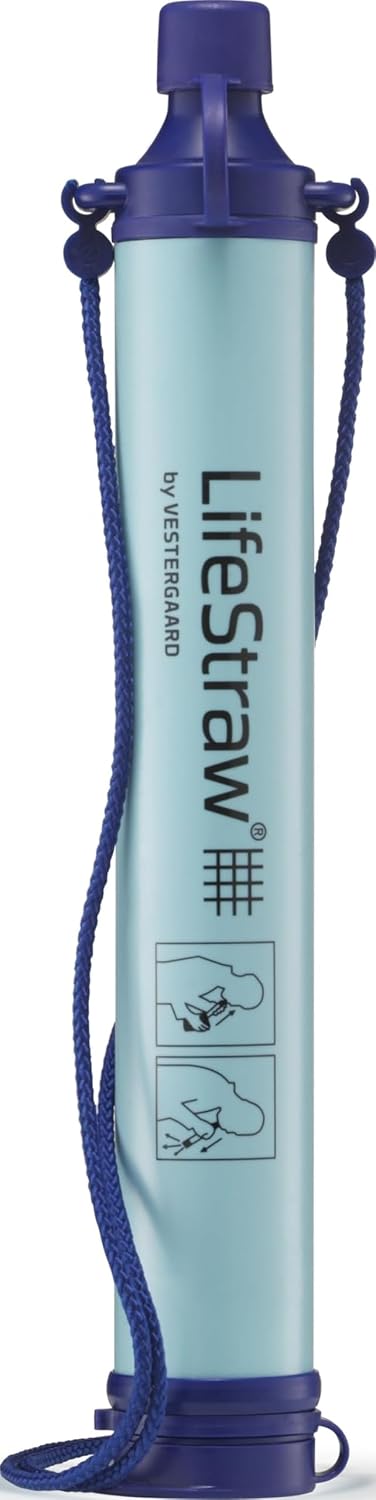
🛒 Essential Survival Gear
As an Amazon Associate I earn from qualifying purchases.