**How to Keep a Fire Going All Night in Cold Weather — The Skill That Could Save Your Family's Life**

The Night That Changes Everything
It's 2 AM, the temperature has dropped to 18 degrees, and the fire you built three hours ago is nothing but cold ash and regret. Your kids are shivering in their sleeping bags, your hands are too numb to work a lighter properly, and you're realizing — maybe for the first time — that watching a few YouTube videos did not prepare you for this moment. Hypothermia doesn't announce itself. It creeps in quietly, slows your thinking, and by the time most people recognize what's happening, they're already in serious danger. Keeping a fire alive through a brutal winter night is not a luxury skill. It is a core survival competency that every serious prepper needs to own — not just know about, but truly own.
The Reality Most People Ignore
Here's the hard truth that the weekend-warrior crowd doesn't want to hear: most people cannot keep a fire going through a cold night without practice. They can start a fire. They've done it in the backyard with dry wood and a full box of matches on a calm summer evening. But that is a completely different skill set than sustaining a fire for six to eight hours in wet, windy, sub-freezing conditions when you're tired, stressed, and running low on resources.
The statistics on cold-weather fatalities are sobering. Exposure and hypothermia kill people every single year — not deep in the wilderness, but in situations that started simple: a car broken down on a mountain pass, a hunting trip where someone got turned around, a grid-down scenario where home heating failed. In almost every case, fire management was the difference between life and death.
What most preppers also ignore is the fuel math. People dramatically underestimate how much wood a sustained fire requires. A decent all-night fire in serious cold will consume anywhere from 15 to 30 pounds of quality hardwood fuel per hour depending on conditions, fire design, and ambient temperature. Do the math. An eight-hour overnight burn could require upward of 150 to 200 pounds of dry, split hardwood. Have you staged that kind of fuel before? Have you done it in the dark, in the cold, when you were already exhausted? That's the reality gap we need to close.

Core Principles and Knowledge Breakdown
Before we get tactical, you need to understand the foundational principles that govern long-burn fire management. These aren't opinions — they're physics and field-tested doctrine.
- Fire design matters more than fire starting. A teepee fire starts beautifully but burns fast and hot. For an all-night burn, you want a log cabin or star fire design. The log cabin structure — alternating layers of wood stacked in a square — creates a dense, self-feeding coal bed that sustains heat for hours. The star fire, where large logs radiate outward from a central coal bed and are pushed inward as they burn, is ideal for long-haul survival scenarios because it requires minimal fuel processing.
- The coal bed is your engine. Flame is the symptom. Coals are the cause. A deep, glowing coal bed retains heat far longer than any flame and can reignite new fuel with almost no effort. Your goal from the first hour should be building a coal bed, not maintaining a blaze. Feed your fire to create coals, not just flames.
- Wood selection is non-negotiable. Softwoods like pine and cedar are excellent fire starters — they ignite fast, burn hot, and produce the coals you need early on. But they burn quickly. For an all-night burn, you need hardwoods: oak, hickory, ash, maple, and cherry are your heavy hitters. These woods burn slow and hot, producing long-lasting coals. Know your local tree species. This is not something to figure out during a crisis.
- Moisture is your enemy. Wood with high moisture content — anything above 20% — will fight you all night. It burns poorly, smokes heavily, saps your coal bed, and can actually cool your fire faster than if you'd added nothing at all. Dry, seasoned wood is a prep item. It belongs in your storage planning right alongside food and water.
- Wind management through fire placement. Positioning your fire against a natural windbreak — a rock face, a dense tree line, a constructed reflector wall — can increase effective heat output dramatically and reduce fuel consumption by 30% or more. Build a simple log reflector wall on the opposite side of your fire from your sleeping position to bounce radiant heat back toward you throughout the night.
There is also a critical rhythm to overnight fire management that most people never develop because they never practice it. You need to build the habit of banking a fire — loading it with dense hardwood fuel, reducing airflow slightly to slow the burn, and creating a controlled smolder that holds heat for two to three hours without constant attention. This allows you to sleep in shifts and still maintain a viable fire.
Building This Into Your Prep Plan
Knowledge without preparation is entertainment. Here's how you actually build overnight fire survival into your family's preparedness infrastructure.
- Stage and season your wood supply. If you're on a homestead or have any outdoor space, you should have a minimum of two cords of split, seasoned hardwood staged and covered at all times. One cord for heating, one cord as your emergency reserve. Wood needs at least six months — ideally twelve — of air drying to reach optimal burning moisture levels. Start now. Every month you wait is a month of prep you'll never get back.
- Build a fire kit that lives in your bug-out bag. Your fire kit should include: waterproof matches in a sealed container, a quality ferrocerium striker rod, a windproof butane lighter, petroleum jelly-soaked cotton balls as tinder, fatwood sticks, and a small folding saw or hatchet. Do not rely on a single ignition method. Redundancy is survival.
- Know your location's wood resources. Whether you're bugging in or have a bug-out location, you need to know exactly what fuel sources are available within a reasonable gathering radius. Walk it. Map it. Know the difference between a standing dead tree — excellent dry fuel — and a newly fallen green log that will fight you all night.
- Practice fire lay construction in adverse conditions. Rain. Wind. Cold. Build fires in these conditions deliberately, before your life depends on it. You will fail the first few times. That failure, experienced in a low-stakes training environment, is one of the most valuable investments you can make in your family's survival capability.

Advanced Level — What Serious Preppers Do Differently
The basics will keep you alive. The advanced skills will keep you comfortable, conserve your resources, and give you a genuine edge in a prolonged cold-weather survival scenario.
The long log fire method is used by indigenous peoples across Northern climates and by special operations forces for good reason — it works. Take two large green or semi-green logs, four to six inches in diameter, and lay them parallel to each other with a gap of three to four inches between them. Build your fire in that channel. The logs act as a furnace, concentrating heat upward, shielding the fire from wind, and slowly burning themselves as fuel throughout the night. A well-constructed long log fire can burn for five to seven hours with minimal intervention.
Reflector wall construction takes your overnight fire from a heat source to a heat system. A reflector wall built from stacked green logs or flat stones, positioned two to three feet behind your fire on the side opposite your sleeping position, will redirect radiant heat toward you and can effectively double your perceived warmth. Serious practitioners build a reflector wall before they build the fire itself — that's how fundamental it is to cold-weather overnight fire management.
Advanced preppers also understand fire watch rotations. In a group survival scenario, someone should be awake every two to three hours to feed the fire, assess fuel inventory, and monitor weather changes. This is a skill and a discipline. Assign shifts before you go to sleep. Brief your family members, including older children, on exactly what to do when the fire drops to coals — how to safely add fuel, how to reposition logs, and what not to do in the dark. This isn't paranoia. This is operational fire management.
Finally, serious preppers have a fire backup plan. What happens if conditions deteriorate to the point where an open fire becomes impossible to maintain? Your answer should include a quality four-season sleeping bag rated at least 15 degrees below your expected low temperature, a quality emergency bivouac shelter, chemical hand warmers in quantity, and a small backpacking stove capable of boiling water and providing interior heat for a confined shelter space. Redundancy at every level. No single point of failure.
Your Action Plan — What to Do in the Next 30 Days
Stop reading and start doing. Here is your 30-day fire preparedness action plan, no excuses.
- Week 1: Inventory your current fire-starting kit. Identify every single point of failure and fix it. Order a quality ferrocerium rod if you don't own one. Make a batch of petroleum jelly tinder balls and store them in a waterproof container in your bag today.
- Week 2: Go outside and build a log cabin fire lay. Then build a star fire. Time yourself. Note what was hard, what failed, what you didn't have. This is data. This is training.
- Week 3: Take your family into the field for a deliberate overnight fire drill. Not a campout. A training exercise. The goal is to maintain a fire from sundown to sunrise with the fuel available on site. Debrief afterward. What would have killed you if this had been real?
- Week 4: Assess your long-term fuel situation. If you're on a homestead, start processing and staging hardwood. If you're in a suburban or urban environment, identify your bug-out location's fuel resources and make a specific plan for fuel acquisition in a grid-down scenario. Document it. Make it part of your written preparedness plan.
This Is What It Means to Protect Your Family
Self-reliance is not a philosophy. It is a practice. It is the accumulation of hard-won skills, staged resources, and deliberate training that transforms a good intention into a genuine capability. The night is long. The cold does not negotiate. And in a real survival scenario, no one is coming to fix the fire for you. That responsibility is yours — and it is one of the most primal, fundamental, and sacred duties any prepared person can carry. Learn this skill. Practice it until it's second nature. Because the night that matters most won't give you a warm-up round. It will just arrive. And your family will be counting on everything you've done before that moment to make sure all of you are still warm by morning.
🛒 Essential Survival Gear
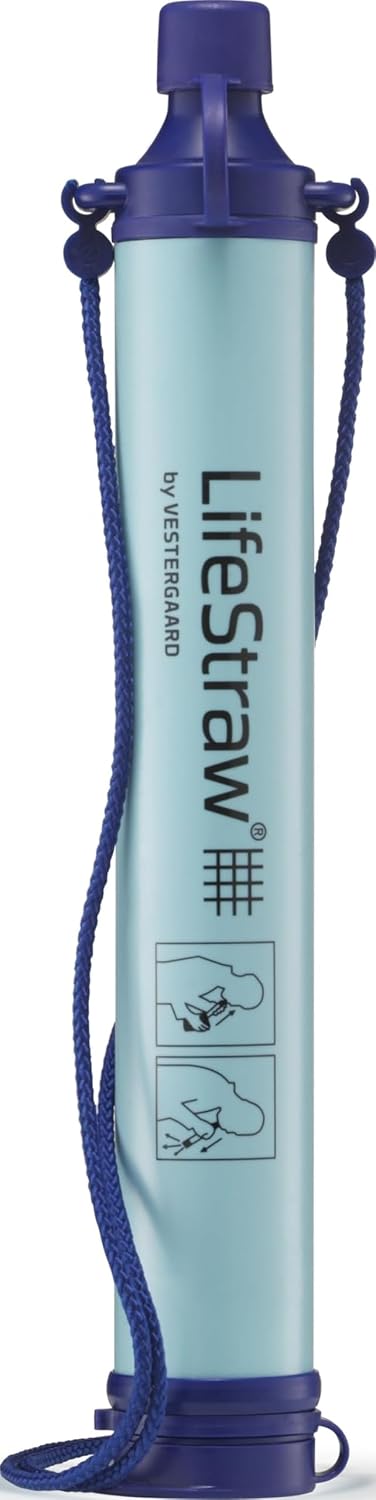
As an Amazon Associate I earn from qualifying purchases.