How to Find Water in the Wilderness When You Have Nothing

Water Is Your First Priority — Not Food, Not Shelter
You can survive three weeks without food. You will be dead in three days without water — and mentally compromised long before that. In hot conditions or high exertion, that window shrinks to under 24 hours. If you walk out of a vehicle wreck, get separated from your group on a hunt, or find yourself lost after a day hike gone wrong, your first job is finding water. Not building a fire. Not signaling for help. Water. This skill is the difference between a rescue story and a body recovery.
Understanding Where Water Hides in the Wild
Water follows gravity. That's the single most important concept you need burned into your brain. It always moves downhill and collects in low points. Once you understand that, the landscape starts talking to you.
There are four primary sources you need to know:
- Surface water: Streams, rivers, ponds, and lakes. The most obvious and usually the most reliable. Follow terrain downhill and listen — moving water is often audible from 200–300 feet away in quiet conditions.
- Vegetation clusters: A dense line of willows, cottonwoods, or cattails cutting across dry terrain almost always marks a water source underneath or nearby. These plants are water indicators — they don't grow without it.
- Animal trails: Game trails that converge and head downhill typically lead to water. Birds, especially at dawn and dusk, fly toward water sources. Watch flight patterns.
- Geological features: Rock faces, cliff bases, and canyon bottoms collect water from seepage and runoff. Look for green moss on rock — it signals consistent moisture. Dry riverbeds often have water just 12–18 inches below the surface at the outside bend of curves.
In coastal or desert environments, dew collection becomes critical. Large smooth leaves, tarps, or even your jacket laid out before dawn can collect 8–16 ounces of dew by sunrise depending on humidity and surface area. Small amounts matter when you're depleted.

Step-by-Step: How to Locate and Collect Water With No Gear
- Stop moving and orient yourself. Panic burns energy and water. Find high ground — not to camp there, but to read the terrain. Identify valleys, drainages, and low points within your visual range. That's where water is.
- Follow drainages downhill. A dry streambed is still a lead. Walk it downstream. Look for sand that appears darker or damp. Dig at the lowest outside bend — 12 to 18 inches down is often enough to hit moisture or slow seepage.
- Use transpiration bags if you have any plastic. Tie a clear plastic bag around a leafy green branch — not pine or toxic plants — and seal it. Leave it in direct sunlight for 2–4 hours. You can collect 2–4 ounces of clean distilled water from plant transpiration. It's slow, but it requires zero tools.
- Collect morning dew. Before sunrise, tie absorbent cloth — a shirt, bandana, or sock — around your ankles and walk through grass or low vegetation. Wring it out into a container or directly into your mouth. Thirty minutes of this can yield 8–12 ounces depending on conditions.
- Check rock depressions and crevices. After any rainfall, natural rock basins called tinajas hold water for days or weeks. Check every depression on flat rock surfaces, especially in shaded areas where evaporation is slower.
- Filter before you drink. Without gear, improvise. Layer a container with grass, crushed charcoal from a fire, and sand. Run water through it. This removes particulates and some biological load but does not make it fully safe. If you can boil — boil for a minimum of 1 full minute, or 3 minutes above 6,500 feet elevation. If you can't boil and can't filter, you still drink. Dehydration kills faster than waterborne illness.
Mistakes That Will Get You Killed
- Drinking seawater or urine. Both accelerate dehydration. Seawater requires more water to process than it provides. This is non-negotiable — never do it.
- Ignoring early dehydration symptoms. Thirst means you're already behind. Dark urine, headache, and dizziness are warnings. Confusion and muscle cramps mean you're in serious trouble. Start looking for water before you feel desperate.
- Heading uphill to search. Water does not go uphill. If you're walking uphill looking for water, you're moving away from it. The only exception is springs emerging from cliff faces — and those are obvious when you see them.
- Eating without water. Digestion requires water. If you're already dehydrated and you eat, you make it worse. Find water first, always.
- Dismissing small amounts. Two ounces of dew, four ounces from a transpiration bag — it feels pointless. It's not. Small consistent inputs keep your cognitive function intact long enough to find a real source.

Practice This Weekend
Get outside. Walk a piece of terrain you don't know well and try to locate water using only the landscape — no map, no GPS, no prior knowledge. Follow a drainage. Look for vegetation patterns. Find a rock depression. You don't have to drink it. You have to find it. Run this drill until reading terrain for water is automatic. That's when it becomes a skill you'll actually use when it counts.
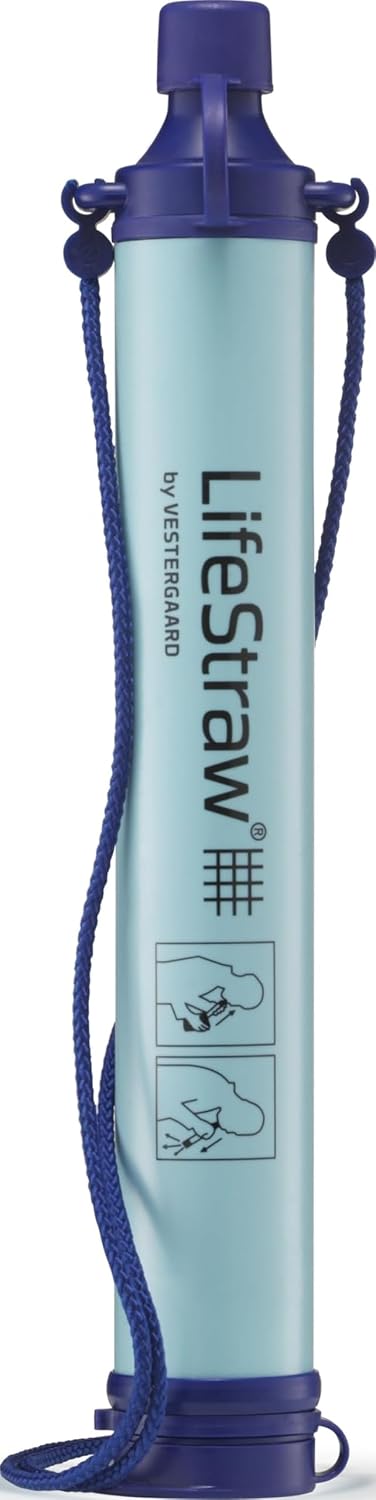
🛒 Essential Survival Gear
As an Amazon Associate I earn from qualifying purchases.