How to Find Water in the Desert Without Technology

Why This Skill Is Non-Negotiable
You have 72 hours. Maybe less if it's hot. That's the brutal reality of desert dehydration — your body doesn't negotiate, it doesn't wait for rescue, and it doesn't care that you left your water filter at camp. In arid environments, the human body can lose up to two liters of water per hour through sweat alone, and once dehydration sets in past 10% body weight loss, cognitive function deteriorates so fast you won't be able to save yourself even if the solution is twenty feet away.
Most people who die of thirst in the desert don't die because there's no water. They die because they didn't know how to find it, or they panicked and made the wrong moves. The Sonoran Desert, the Mojave, the Chihuahuan — all of them hold water. Hidden water. You just need to know where and how to extract it.
This is not a skill you want to learn for the first time when your life depends on it. Read this, practice it, and burn it into your muscle memory before you ever need it.
What You Need Before You Start
Finding water without technology doesn't mean finding water without preparation. There's a difference between being primitive and being reckless. Before you head into any desert environment — whether it's a planned expedition or a bug-out scenario — you should have these fundamentals locked in.
- Physical baseline: Know your hydration status before you start moving. Urine should be pale yellow. Dark amber means you're already behind. Don't start a desert search for water already dehydrated.
- A container: Finding water means nothing if you can't carry it. Even in a stripped-down survival scenario, improvise a container from a cut plastic bottle, a hollowed-out cactus pad cavity, or a tarp depression. Carry at minimum a 32oz metal container — a Nalgene, a titanium canteen, or a simple stainless steel bottle. The metal option lets you boil water once you find it.
- A digging implement: A folding e-tool, a sturdy stick, or even a flat rock. You'll need to dig in several of the techniques below.
- Basic knowledge of local vegetation: Study before you go. Know what a cottonwood looks like. Know a barrel cactus from a saguaro. Understand that certain plant species are living water indicators — nature's own trail signs.
- Sun discipline: Stop moving during peak heat hours (10am–4pm). Every drop of sweat you lose searching is a deficit. Move at dawn and dusk when possible. This isn't optional — it's survival math.
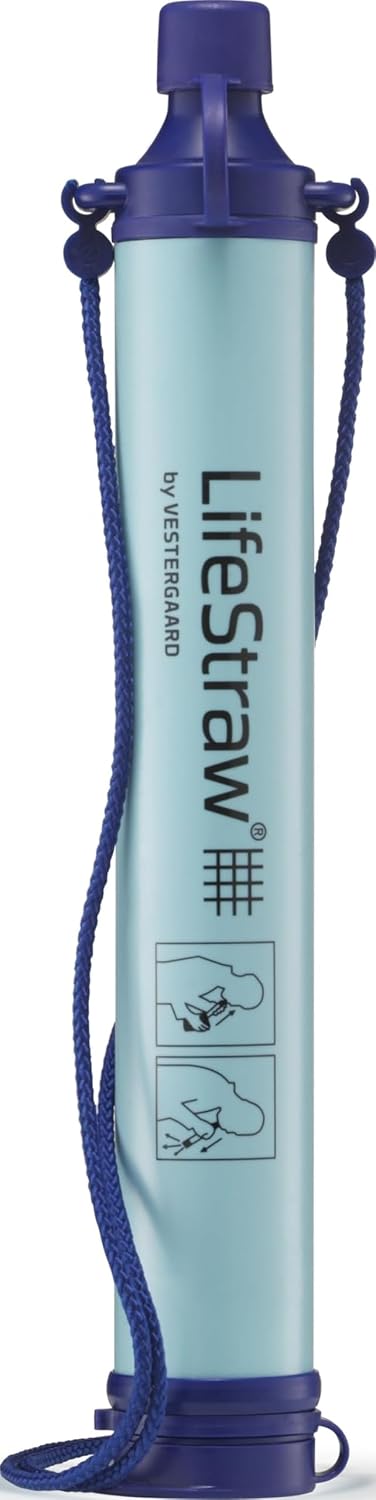
- Purification method: Even desert water needs treatment. Carry iodine tablets (Potable Aqua brand is reliable and cheap), a Sawyer Mini filter, or at minimum know how to boil water effectively. Giardia and other pathogens exist in desert water sources.

The Process: Step-by-Step Water Finding Techniques
Use these methods in order of effort versus yield. Start with observation, then move to extraction. Don't burn calories and water reserves on high-effort techniques when lower-effort options haven't been ruled out.
- Read the Terrain — Follow the Land DownhillWater always flows to the lowest point. In desert terrain, this means canyons, dry washes (arroyos), and rock depressions. Scan the landscape from any high ground first. Look for lines of darker green vegetation cutting through the tan and brown — that green ribbon almost always indicates subsurface water. Head for it. Cottonwood trees, willows, and cattails are your highest-value indicators. If you see any of these in an arid landscape, dig within 10 feet of the base. You will almost certainly find water within 18 inches of the surface.
- Check Rock Faces and Cliff Bases After RainDesert rock is often porous. After any rainfall — even a light one days prior — water seeps into cracks and can pool at the base of cliff faces or in natural rock pockets called tinajas. In the American Southwest, tinajas are well-known and often hold water for weeks after rain. Run your hand along shaded rock faces. If it feels damp or cool, there's moisture. Use a cloth, bandana, or even a sock to absorb that moisture and wring it into your container. Slow and tedious, yes. But this method has saved lives.
- Dig a Desert Seep in Dry WashesFind the outer bend of a dry wash or arroyo — water cuts to the outside of bends just like in a river. At the outside bend, dig down into the sand at the lowest visible point. Go 12 to 24 inches deep. In many desert environments, especially after recent seasonal rains, you'll hit damp sand within that range. Keep digging until the hole begins to fill. It will be slow — this is not a spring — but even muddy, silted water can be filtered through a cloth and purified.
- Harvest Cactus Moisture (With Serious Caveats)The barrel cactus is the most commonly cited desert water source, but this is one of the most misunderstood survival tips in circulation. Do not cut open a barrel cactus and drink the liquid directly. The flesh contains oxalic acid that will make you vomit, causing further dehydration. Instead, cut a section of cactus flesh and chew it — extract the moisture by chewing the pulp, spit out the fiber and any bitter liquid. Prickly pear pads are a safer option for moisture. The saguaro's fruit (when in season, late June) is legitimately nutritious and moist. The key rule: supplement with cactus, don't rely on it as a primary source.
- Build a Transpiration BagThis is a high-yield, low-effort technique if you have a clear plastic bag — even a large zip-lock or a garbage bag works. Find a living, leafy desert shrub like a creosote bush or a palo verde. Wrap a large, clear plastic bag around a branch loaded with green leaves. Tie it off tight at the base with cordage or strips of cloth. Angle the bag so the lowest corner acts as a collection point. Within two to four hours on a sunny day, the plant will transpire moisture that condenses inside the bag. You can collect 4 to 16 ounces depending on plant size and sun exposure. It's not fast, but it's passive — set multiple bags and let them work while you rest in the shade.
- Build a Solar StillThis is your option of last resort — it's labor intensive and yields modest amounts, but in a true survival situation with no other options, it can keep you alive. Dig a hole roughly 3 feet wide and 2 feet deep. Place any vegetation, wet soil, or even urine in the bottom of the pit. Stretch a clear plastic sheet over the hole and seal the edges with dirt and rocks. Place a small rock in the center of the sheet directly above your collection container so it creates a low point. The sun heats the air inside, moisture evaporates from the contents, condenses on the underside of the plastic, and drips into your container. Yield: roughly 1 to 2 cups per 24 hours depending on conditions. Not much, but zero is worse.
- Follow Animal Trails and Insects at DawnAnimals know where the water is. Birds — especially doves, pigeons, and quail — fly directly to water sources in the early morning and late evening. Watch their flight direction at those hours and follow it. Bees are an even more reliable indicator; a bee traveling in a straight, purposeful line (not foraging in circles) is heading to water. Ant trails often lead to subsurface moisture. Don't ignore what the wildlife is telling you.
Tips From the Field
Books and blogs give you the framework. The field teaches you the details that keep you alive. Here's what experience adds to the textbook techniques:
- Shaded rock pockets are gold. North-facing depressions in rock hold water far longer than exposed surfaces because they never get direct sun. In the Sonoran and Mojave, experienced desert hands check north-facing canyon walls before anything else.
- Morning dew is real and collectible. Before the sun climbs, use an absorbent cloth to wipe moisture from rocks, desert plants, and even your own shelter. Wring into a container. In humid desert mornings (monsoon season in the Southwest), you can collect meaningful amounts this way.
- Don't trust the color of desert soil alone. Dark soil in a desert can indicate mineral content, not moisture. Feel it, smell it — wet soil has a distinct earthy smell. Dry dark soil just means it's rich in minerals or organic matter.
- The edge of a dry lake bed (playa) is a prime dig zone. The center of a playa is usually bone dry and packed hard. But the edges, where runoff historically entered, often have subsurface moisture just below the surface. Walk the perimeter, look for subtle green growth, and dig there.
- Never drink from standing stagnant pools without purification. Even clear-looking water in a desert can carry heavy bacterial loads, chemical runoff from mines, or high mineral concentrations toxic to humans. If you have no purification method, boil everything. Period.
- Conserve aggressively. Breathe through your nose, not your mouth. Keep skin covered to reduce sweat evaporation loss. Don't talk more than necessary. Shade is water — every degree cooler means less sweat loss. Treat shade-seeking as a water conservation technique, not laziness.

What to Practice Now: A 30-Day Skill-Building Plan
Reading about this is step one. Owning this skill requires deliberate practice before the pressure is on. Here's a realistic 30-day progression you can start this week.
- Week 1 — Identify your local plants. Get a regional field guide — Desert Survival Skills by David Alloway for the Southwest, or your region's equivalent. Spend 30 minutes per day learning to identify water-indicating species in your area. Cottonwood, willow, mesquite, cattail — know them cold.
- Week 2 — Build a transpiration bag. Go outside with a clear plastic bag. Wrap it around a leafy branch on any deciduous tree or shrub. Leave it for four hours. Check your yield. Understand the technique firsthand, not just theoretically. Try multiple species and compare output.
- Week 3 — Practice terrain reading. On a hike or drive through dry terrain, consciously identify low points, drainage channels, and vegetation patterns. Ask yourself where you would dig if your life depended on it. Train your eyes to read landscape for water the way a tracker reads it for game.
- Week 4 — Build a solar still. Do it in your backyard. Dig the hole, use the plastic, collect whatever you can. The practice builds the muscle memory and shows you the real yield so you're not shocked or demoralized doing it under pressure. Time yourself. Optimize the process.
- Ongoing — Water discipline drills. Once a month, cut your water intake in half for a single day (consult a physician if you have health conditions). Learn what early dehydration feels like in your body — the headache onset, the reduced focus, the dry mouth. This self-awareness could be the early warning that saves your life.
Preparation Is a Lifestyle, Not a One-Time Event
Finding water in the desert without technology isn't a party trick or a campfire conversation piece. It is a fundamental survival competency that belongs in every serious prepper's toolkit — right next to fire starting, navigation, and wound care. The desert doesn't care about your gear list, your social media following, or how many YouTube videos you've watched. It cares about what you actually know how to do under pressure, in heat, when your thinking is already starting to slow down from dehydration.
The skills outlined here are proven. They've kept indigenous people alive across centuries in some of the harshest terrain on earth. They'll keep you alive too — but only if you've practiced them before you need them. That's the whole game. Not buying the right gear, not reading the right blog. Doing the work before the moment arrives.
Get out there. Practice. The desert will test you honestly, and that's exactly what you need.
🛒 Essential Survival Gear
As an Amazon Associate I earn from qualifying purchases.