How to Build a 72-Hour Bug Out Bag From Scratch (The Right Way)

What Goes Into a Real Bug Out Bag
A bug out bag — BOB for short — is a pre-packed, grab-and-go kit designed to sustain you for 72 hours when you need to leave your home fast. Not tomorrow. Not after you make coffee. Right now. House fire, flash flood, civil unrest, grid failure — whatever forces you out the door, your BOB should be waiting by that door, fully loaded, ready to carry you through the first three critical days until you reach safety or regroup. Most people underestimate those 72 hours. FEMA uses that number because that's roughly how long it takes emergency services to mobilize and reach affected populations. That's 72 hours you are entirely on your own. This guide breaks down exactly what goes in, what gets left out, and how to build it without wasting money or your back.
The concept is simple: one bag, one person, three days of self-sufficiency. That means water, food, shelter, fire, first aid, navigation, communication, and self-defense — all in a package you can carry at a dead sprint if necessary. The goal is not comfort. The goal is survival and mobility. Those are different things, and understanding that difference will keep your bag from becoming a 60-pound anchor that breaks you before the crisis does.
Before you buy a single piece of gear, internalize three rules:
- Weight is the enemy. Your bag should never exceed 25–30% of your bodyweight. For a 180-pound person, that's a hard ceiling of 45–54 pounds — and that's the max, not the goal.
- Redundancy matters where it counts. You want two ways to make fire, two ways to purify water, and two ways to navigate. One is none, two is one.
- Your bag is for bugging out, not camping. Leave the cast iron skillet and the hammock. You're moving, not settling.
Building Your 72-Hour Bug Out Bag Step by Step
Work through these categories in order. Each one addresses a survival priority. Don't skip categories to save money — improvise within them if you have to, but cover every base.
- Step 1: Choose the Right PackYou need a quality, load-bearing pack in the 40–65 liter range. Look for a padded hip belt, adjustable torso length, and MOLLE webbing for modular attachment. Reputable options include the 5.11 RUSH 72, Condor 3-Day Assault Pack, or Kelty Redwing 50. Budget: $80–$200. Avoid fashion backpacks, rolling luggage, and anything without a hip belt. Your hips carry the load — not your shoulders. If a pack doesn't fit your torso correctly, it will wreck you over distance.
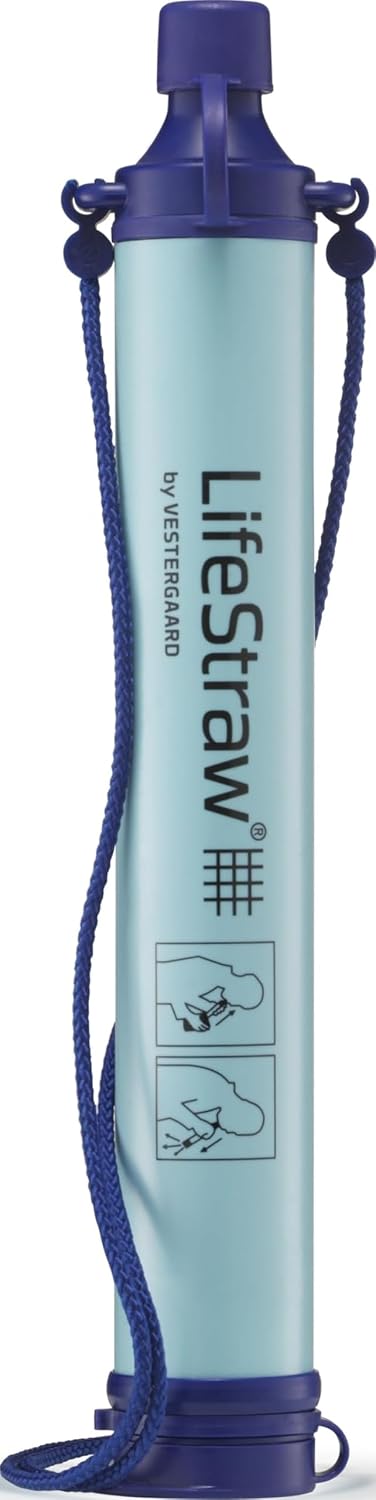
- Step 2: Water — Minimum 3 Liters On You, Plus PurificationStart with at least 3 liters of water in your bag at all times — two 1.5-liter Nalgene bottles or a 3-liter hydration bladder. Beyond stored water, carry two purification methods:Also pack a stainless steel 32-oz water bottle — one that can be boiled over fire as a last resort. Weight estimate for full water setup: 7–8 lbs.
- Primary: A Sawyer Squeeze or LifeStraw with inline capability — filters down to 0.1 microns, handles bacteria and protozoa.
- Backup: Aquatabs (water purification tablets) — 30 tablets per pack, treats up to 30 liters. Weighs almost nothing.
- Step 3: Food — 2,000 to 2,500 Calories Per DayYou need roughly 6,000–7,500 calories for three days. Under stress and exertion, your body burns more. Pack food that is calorie-dense, lightweight, and requires no cooking if possible. Good options:If you're using freeze-dried meals, pack a lightweight titanium or aluminum pot and a small backpacking stove (MSR PocketRocket, Jetboil Flash) with 2–3 fuel canisters (100g each). If you want to keep it primitive, a solid fuel stove with Esbit tablets weighs under 4 oz and costs under $15.
- Mountain House or Wise Company freeze-dried meals: 2 pouches per day (average 500–600 calories each)
- Clif Bars, Larabars, or PROBAR meal bars: 1–2 per day for quick calories on the move
- Nuts, jerky, and hard cheese in sealed packaging
- Peanut butter packets (190 calories each, high fat and protein)
- Step 4: Shelter and Sleep SystemYou're not building a base camp. You need emergency shelter that sets up in under 10 minutes and keeps you alive in bad weather:Skip the tent unless you are in a cold climate and expect extended exposure. A tent adds 3–6 lbs with no operational advantage for 72 hours.
- Emergency bivy sack: SOL Escape Bivvy or similar — reflects 70% of body heat, waterproof, weighs 8.5 oz.
- Tarp: A silnylon or Dyneema 8x10-foot tarp sets up as a lean-to or A-frame in minutes. Under 2 lbs. Bring 50 feet of 550 paracord to rig it.
- Mylar emergency blankets: Pack 3–4 of the heavy-duty variety (not the cheap drugstore foil). Use them for insulation, signaling, and rain collection.
- Step 5: Fire Starting — Two Methods MinimumFire is warmth, water purification, signaling, and morale. Carry:
- Primary: A Bic lighter (pack 3 — they're cheap and reliable). Waterproof them in a zip-lock bag.
- Secondary: A ferrocerium rod with a striker, minimum 4-inch rod. UCO Titan or Light My Fire Scout. Practice lighting tinder with it before you need to.
- Tinder: Petroleum jelly-soaked cotton balls in a small waterproof container. Make a dozen at home. They light in wet conditions and burn 3–5 minutes each.
- Step 6: First Aid KitDon't buy a pre-made kit and call it done. Most pre-made kits are anemic. Build your own or supplement heavily. Essentials:Pack it in a waterproof roll-up pouch or a hard-sided case. Label it clearly.
- Israeli bandage (6-inch) — for major trauma and wound packing
- CAT tourniquet (genuine North American Rescue or SOFTT-W) — not a knockoff
- QuikClot hemostatic gauze — 1 roll
- Moleskin and blister treatment — blisters end mobility, end of story
- SAM splint
- Assorted adhesive bandages, gauze pads, medical tape
- Nitrile gloves — 4 pairs
- Ibuprofen, Benadryl, Imodium, and any personal medications (2-week supply)
- Tweezers, safety pins, trauma shears
- Step 7: Navigation and CommunicationAssume your phone is dead or the cell network is down:
- Physical maps of your region, county, and your primary bug out routes — waterproofed in a map case or laminated
- Baseplate compass — Suunto A-10 or Silva Ranger, $20–$50. Know how to use it before you need it.
- Hand-crank/solar NOAA weather radio — Midland ER310 or similar. Weather intel saves lives.
- Consider a Baofeng UV-5R handheld radio with a programmed list of local emergency and GMRS frequencies.
- Step 8: Tools, Light, and Extras
- Fixed-blade knife: 4–5 inch blade, full tang — Morakniv Companion ($20) or ESEE-4 ($100+). Do not rely on a folding knife alone.
- Multi-tool: Leatherman Wave+ or Gerber Center-Drive
- Headlamp: Black Diamond Spot or Petzl Actik — 300+ lumens, with extra AAA batteries (2 sets)
- Duct tape: Wrap 25 feet around a pencil or water bottle — saves the weight of a full roll
- Cash: $200 in small bills. ATMs go down. Cards stop working. Cash is king in a crisis.
- Copies of critical documents: ID, passport, insurance, property records — waterproofed in a zip-lock
- N95 masks: 5–10 in a zip-lock. Wildfire smoke, chemical spills, pandemics.

Common Mistakes That Will Get You Killed
Most BOBs fail not because the builder didn't care, but because they made predictable errors. Here's what to fix before your bag is ever tested for real.
- Packing for the apocalypse instead of 72 hours. A BOB is not a long-term survival cache. If your bag weighs more than 40 pounds, you have over-packed. Inventory every item ruthlessly. If you can't justify it in three sentences, it doesn't go in.
- Buying gear you've never tested. Unboxing gear in a crisis is a death sentence. Use your fire starter before you need it. Set up your tarp in the backyard. Cook a freeze-dried meal. Pump your filter through 5 liters of creek water. Discover the problems now, not when it's raining and you're scared.
- Skipping the seasonal audit. Your bag needs to change with the seasons. A summer BOB without cold-weather layers will kill you in October. Set a calendar reminder every 90 days. Rotate food and water. Check batteries. Update medications. A bag you built 18 months ago and never touched is not a survival tool — it's a liability.
- Neglecting footwear. Your bag means nothing if you can't move. Your bug out shoes or boots need to be broken in and ready to go. Pack an extra pair of quality wool socks (Darn Tough or Smartwool) in your bag — two pairs minimum. Wet feet lead to blisters; blisters end mobility; immobility in a crisis ends you.
- No bug out plan to go with the bug out bag. Where are you going? Which route? What's your alternate route if the primary is blocked? Where does your family meet if you're separated? A bag without a plan is just camping gear. Write down your bug out plan. Share it with every member of your household. Laminate a copy and put it inside the bag.
- Cheap, heavy gear that breaks under load. Don't sacrifice quality on critical items. The tourniquet, the filter, the pack itself — these are not the places to cut corners. Save money on your extra socks. Don't save it on the gear keeping you alive.
What to Practice This Weekend
Building the bag is step one. Using it is step two, and most people never get there. This weekend, do three things. First, weigh your finished bag and walk 3 miles with it on. That's your baseline — know how your body responds before an emergency teaches you. Second, cook one freeze-dried meal using only the stove and tools in your bag. Time yourself. Third, spend 20 minutes reviewing your bug out route using only your paper map and compass — no GPS. These aren't drills. They're the gap between a bag that survives in theory and one that survives in practice. Close that gap this weekend.

🛒 Essential Survival Gear
As an Amazon Associate I earn from qualifying purchases.