How to Build a 72-Hour Bug Out Bag from Scratch (Complete Loadout Guide)

What a Bug Out Bag Actually Is — And Why Most People Get It Wrong
A bug out bag is a pre-packed, grab-and-go kit designed to keep you alive for 72 hours when you have to leave your home fast. Not when you have time to think. Not when you can run to the store. When the grid is down, the roads are flooding, or the situation on the ground has made staying put a death sentence. The 72-hour window is not arbitrary — it's the standard benchmark emergency management professionals use because it covers the critical period before organized relief efforts typically reach a population. The hard truth is that most people who think they have a bug out bag have a glorified camping backpack full of gear they've never tested, packed in the wrong order, and too heavy to carry more than two miles. This guide will fix that. We're building your bag right — from the ground up, with specific gear, real quantities, and the logic behind every decision.
The Core Framework: What a Real Bug Out Bag Must Do
Before you spend a single dollar on gear, understand the mission. Your bug out bag exists to solve five problems in order of urgency. Miss any one of these and people die. Get them all right and you can handle almost any 72-hour emergency scenario your region can throw at you.
- Hydration: The human body begins to degrade in performance within hours of dehydration. You need water, and you need the ability to source more.
- Shelter and warmth: Exposure kills faster than starvation. Hypothermia can set in at temperatures well above freezing if you're wet and without cover.
- Caloric energy: You won't starve in 72 hours, but you'll make catastrophically bad decisions when your blood sugar crashes during a high-stress situation.
- Navigation and communication: You need to know where you're going and have at least one way to receive emergency information.
- Medical and security: Injuries happen during evacuations. So does desperation. You need to be able to handle both.
Your bag should weigh between 25 and 35 pounds loaded for an average adult. Anything heavier than 35 pounds will slow you down enough to become a liability over distance. If you're building bags for family members — children, elderly parents — scale accordingly. A child's bag should carry no more than 15–20% of their body weight, stocked with lightweight, age-appropriate essentials.
For the bag itself, choose a quality 40–60 liter tactical or hiking backpack with a frame, padded hip belt, and multiple external access points. Brands like 5.11 Tactical, Osprey, and Mystery Ranch are proven. Avoid drawstring bags, soft-sided duffels, or anything without a proper suspension system. You may be carrying this thing for eight hours straight across rough terrain.

Step-by-Step: Building Your 72-Hour Bug Out Bag
Pack in layers. The stuff you need last goes in first. The stuff you need in the first 30 minutes of an emergency lives on the outside. Here is your complete build, category by category.
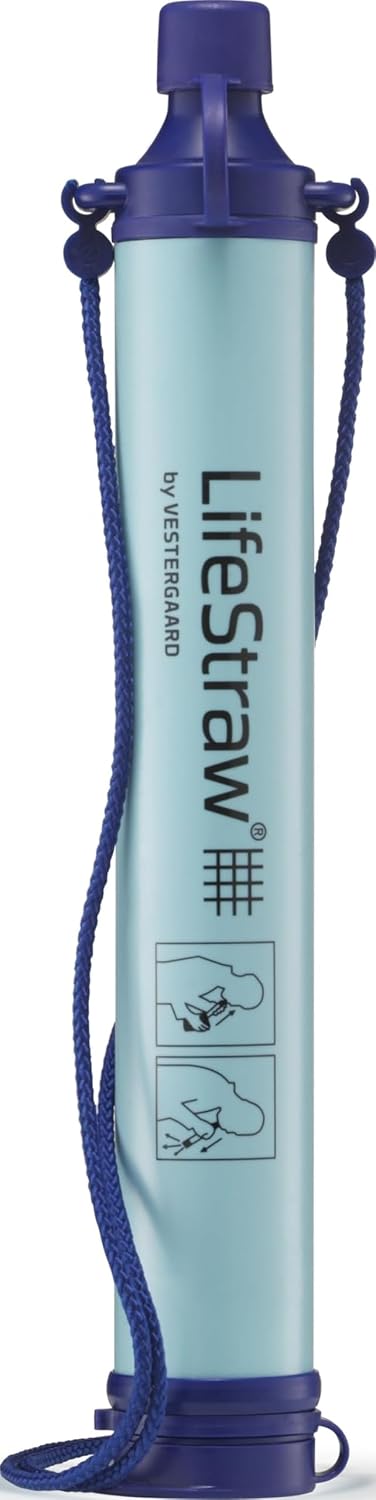
- Water — Non-Negotiable First PriorityStart with two 32-ounce Nalgene bottles or equivalent filled and ready. That's your immediate supply — roughly 64 ounces or half a gallon. Not enough for 72 hours, but enough to stay functional for the first day while you source more. Supplement with a Sawyer Squeeze or LifeStraw Mission filter capable of filtering at least 100,000 gallons. Add a 32-ounce stainless steel canteen so you can boil water when filtration isn't an option. Toss in 20 water purification tablets (Aquatabs or Potable Aqua) as a tertiary backup. Identify water sources along your bug out route before disaster strikes.
- Food — 6,000 Calories MinimumPlan for 2,000 calories per day, per person, and pack for 72 hours. Under stress and physical exertion, that number can climb to 3,000+, so build in margin. Best options: freeze-dried meals in single-serve pouches (Mountain House or Backpacker's Pantry), high-calorie emergency bars like Mainstay 3600 (one bar covers an entire day), nuts, jerky, and peanut butter packets. Avoid anything requiring refrigeration, complex preparation, or producing strong odors. Pack a lightweight titanium spork, a small folding camp stove with two 4-ounce isobutane canisters, and a compact titanium pot with a 1-liter capacity.
- Shelter and Sleep SystemYour shelter layer depends on your region and season, but the baseline is universal. Pack a lightweight two-person tent under 4 pounds (Big Agnes Copper Spur or similar) OR a heavy-duty 10x10 foot survival tarp with 50 feet of 550 paracord. The tarp is lighter and more versatile; the tent is faster and warmer in severe weather. Add a sleeping bag rated to 20°F if your region gets cold, or a compact emergency bivy bag as a minimum. Include a foam sit pad — they're cheap, light, and insulate you from ground cold better than you'd expect.
- Fire StartingCarry three ignition methods — no exceptions. A BIC lighter (keep it warm, cold kills them), a ferrocerium rod with striker (Exotac nanoSTRIKER or Light My Fire Army model), and waterproof matches in a sealed container. Add a commercial fire tinder bundle like WetFire cubes or Tinder-Quik tabs — 12 cubes is enough. Know how to use all three methods before you need them. Practice fire starting in rain, wind, and cold. Comfortable conditions don't test your skills.
- First Aid KitDo not buy a pre-packaged drugstore kit and call it done. Build or buy a kit that can handle the actual emergencies you're likely to face during an evacuation: lacerations, sprains, blister management, and bleeding control. Your kit must include at minimum: one CAT tourniquet, QuikClot or Celox hemostatic gauze (one pack), Israeli bandage, SAM splint, medical tape (2 rolls), nitrile gloves (4 pair), tweezers, trauma shears, a blister kit (Moleskin plus needle and alcohol swabs), and a 10-day supply of any personal prescription medications. Add ibuprofen, Benadryl, Imodium, and an oral rehydration powder mix. The IFAK (Individual First Aid Kit) from Blue Force Gear or MyMedic is a solid starting platform.
- NavigationGPS fails. Phones die. Satellites get jammed. Your navigation kit is a printed and laminated topographic map of your region with your bug out routes marked in advance, and a baseplate compass like the Suunto A-10 or Silva Ranger. Know how to use both together. A handheld GPS unit like the Garmin GPSMAP 64x is a valuable addition, not a replacement. Store the GPS and a small battery bank in a waterproof zip bag. Download offline maps (Gaia GPS or CalTopo) to your phone before any situation develops.
- Communication and InformationPack a hand-crank and solar emergency radio capable of receiving NOAA Weather Radio and AM/FM (Midland ER310 is a proven choice). Add a fully charged 20,000 mAh power bank and a small hand-crank phone charger as backup. Pre-program local emergency frequencies and family contact numbers on paper — do not rely on digital contact lists alone. A whistle (Fox 40 or Storm) belongs on your shoulder strap. Three blasts is a universal distress signal.
- LightingYou need hands-free light. Pack a quality headlamp — Black Diamond Spot 400 or Petzl Actik Core — with two sets of spare batteries. Add a small 1,000-lumen EDC flashlight for signaling and utility use. Chemical glow sticks (four minimum) are silent, weatherproof, and require zero batteries. They have real tactical and emergency value.
- Tools and ProtectionA quality fixed-blade knife with a 4–5 inch blade (Morakniv Garberg or ESEE-4) belongs on your hip or shoulder strap, not buried in the bag. Add a multi-tool (Leatherman Wave or Surge), a small folding hand saw, and a lightweight hatchet or machete if your environment calls for one. Duct tape — two feet wrapped around an old gift card — belongs in every pocket and kit. A firearm and appropriate ammunition is a personal decision based on your legal jurisdiction, training, and risk assessment. If you carry, carry something you have trained with extensively.
- Documents and CashWaterproof document pouch with copies of: driver's license, passport, birth certificate, insurance cards, medical records, property documents, and emergency contact list. Include $300–$500 in small bills — fives, tens, and twenties. Electronic payment systems fail. Cash is king in every post-disaster scenario documented in modern history. Add a USB drive with encrypted digital copies of all critical documents.
- Clothing and Personal ItemsOne complete change of moisture-wicking clothing per person. Wool or synthetic — never cotton. Wool socks (two pairs), a rain poncho or packable rain jacket, gloves, a knit hat, and a buff or balaclava for neck and face coverage. Sunscreen, lip balm, and hand sanitizer are small and consequential. Personal hygiene collapses morale fast — include a small bar of camp soap, a microfiber towel, a toothbrush, and toothpaste tablets.
The Most Common Bug Out Bag Mistakes — And How to Avoid Every One
- Never testing the bag under load. You need to strap it on and walk five miles with it. Right now, in your current physical condition. If you can't do that comfortably, you have either too much gear, the wrong bag, or a fitness problem to solve before the next emergency arrives.
- Packing gear you don't know how to use. A fire starter you've never struck, a filter you've never assembled, a compass you can't read — these are weight without function. Every item in your bag must be something you have practiced with under uncomfortable conditions.
- Buying cheap on critical items. The $12 Chinese knockoff tourniquet will fail when your life depends on it. The $8 compass will give false readings. Spend money on first aid, fire, navigation, and filtration. Cut costs on food variety and comfort items if you must.
- No bug out route planned. A bag is useless without a destination. You need a primary route, a secondary route, and a tertiary route to your bug out location. All three should be walked or driven in advance. Know where the choke points are — bridges, tunnels, highway on-ramps — they will be congested or blocked first.
- Forgetting about children and pets. If you have kids or animals, their needs must be accounted for. Children cannot carry adult loads. Dogs need food, water, and booties for rough terrain. Build their requirements into your plan before you need the plan.
- Letting the bag sit for years without maintenance. Batteries die. Food expires. Medications go out of date. Conduct a full bag audit every six months. Spring and fall — same time you change smoke detector batteries. Replace anything expired or compromised.
- Prioritizing gear over skills. The most expensive bag on the market is worthless in the hands of someone who has never spent a night in the woods, never navigated without a phone, and never treated a real wound. Gear supports skills. It doesn't replace them.

Your Assignment for This Weekend
Don't just read this and move on. This weekend, physically build or audit your 72-hour bag against this checklist. Pack it. Weigh it. Put it on your back and walk two miles. Then eat one of the meals in it and use your water filter on a natural water source. Real practice under real conditions. That's how you find out what works before your life depends on it. Your bag should be by your door, ready to grab in under 90 seconds. If it's not, that's the gap between you and survival. Close it now.
🛒 Essential Survival Gear
As an Amazon Associate I earn from qualifying purchases.