Grow or Go Hungry: The Beginner's Homestead Garden Every Serious Prepper Needs Now
The Hard Truth Nobody Wants to Hear
Imagine it's week six of a full grid-down scenario. Your freeze-dried buckets are running low, the grocery store shelves have been stripped bare since day two, and your neighbors are starting to look desperate. The family that planted a garden last spring? They're eating. The family that kept saying "I'll start next year"? They're not. That gap — between those who produce food and those who only consume it — is the difference that will define survival when the system fails. The cold reality is this: no supply chain lasts forever, no food storage is infinite, and the only truly sustainable solution is the ability to grow your own food from the ground up.
The Reality Most People Ignore
Most preppers get seduced by gear. They spend thousands on tactical bags, night vision, and a year's worth of Mountain House meals — and never once turn a shovel of dirt. That's a fatal blind spot. Food storage is a buffer. A garden is a renewable lifeline. One gives you six to twelve months. The other, tended correctly, feeds your family indefinitely.
Here's another uncomfortable truth: gardening is a skill, not a switch you flip. First-year gardens fail — not catastrophically, but enough that you lose confidence, lose crops, and lose time. The beginner who plants for the first time during a crisis will watch their seeds rot in waterlogged soil or wither in a drought they didn't plan for. The prepper who has three seasons of experience under their belt will know what to do, what to plant when, and how to recover from setbacks without losing the season.
This is why you start now. Not when things get bad. Not next spring. Now. Every failed crop you experience today is a lesson that costs you nothing but pride. The same failure in a real collapse scenario costs you your family's nutrition.
- Most Americans have never grown a meal from scratch. This is a generational knowledge gap that has compounded for decades.
- Seeds have a shelf life. Stockpiling seeds without knowing how to use them is like owning a rifle and never learning to shoot.
- Soil health takes years to build. You cannot improvise this in an emergency.
- Pests, drought, frost, disease — these are not rare events. They are annual realities every gardener faces.
The preppers who ignore food production are betting everything on a resupply that may never come. Don't be that family.

Core Principles and Knowledge Breakdown
Before you buy a single seed packet, you need to understand the foundational principles that separate successful homestead gardens from expensive disappointments. These aren't optional concepts — they are load-bearing pillars of your food production system.
Know Your Zone and Season
The USDA Plant Hardiness Zone Map divides North America into growing zones based on average minimum winter temperatures. Your zone determines what you can grow, when you can plant, and how long your growing season runs. A Zone 4 grower in Minnesota has a radically different strategy than a Zone 9 grower in Texas. Look up your zone — it takes sixty seconds — and build your entire planting calendar around it. Ignore this and you'll be planting tomatoes into frost or missing your cool-season window entirely.

Start with the Right Crops
Not all vegetables are created equal for the beginner prepper. You want crops that are calorie-dense, easy to grow, and resilient. Here are the non-negotiables for your first homestead garden:
- Potatoes — High calorie, underground storage, grows in almost every zone, can be replanted from your own harvest indefinitely.
- Beans (dried) — Protein powerhouse, easy to grow, easy to store dry for years, fix nitrogen back into the soil.
- Squash and Zucchini — Massive yield per plant, stores well, beginner-friendly, and highly productive.
- Tomatoes — Nutritionally dense, highly productive, can be canned, dehydrated, or eaten fresh.
- Leafy Greens (Kale, Swiss Chard) — Fast-growing, cold tolerant, nutritious, and can be harvested continuously.
- Garlic and Onions — Long shelf life, medicinal properties, and extraordinarily easy to grow.
- Corn — Calorie-dense when dried as field corn, can be ground into meal for long-term food production.
Soil is Everything
A seed is just potential. Soil is the engine. Poor soil produces poor harvests — period. Your goal in year one is to begin building what gardeners call living soil: a biologically active growing medium rich in organic matter, beneficial microbes, and the right nutrient balance. Start by doing a basic soil test (available at most garden centers or through your local cooperative extension office for under $20). This tells you your soil's pH and nutrient levels so you can amend intelligently rather than guessing.
Begin composting immediately. Every kitchen scrap, every yard clipping, every piece of cardboard is future soil fertility. A three-bin compost system can produce usable compost in as little as sixty to ninety days. This is not optional — it is your lowest-cost, highest-return investment in food production.
Water Management
Most beginner gardeners either overwater or underwater. Both kill plants. Your goal is consistent soil moisture — not saturated, not bone dry. Learn to check soil moisture by pushing a finger two inches into the soil. If it's dry at that depth, water. If it's still moist, wait. Install a rain gauge, track your weekly precipitation, and adjust your irrigation accordingly. A simple drip irrigation setup or soaker hoses connected to a rain barrel represents a massive upgrade in efficiency and a step toward off-grid water management.
Building This Into Your Prep Plan
A homestead garden isn't something you bolt onto your existing prep plan as an afterthought. It's a core system that integrates with your food storage, water collection, and long-term self-reliance strategy. Here's how to think about it architecturally:
- Phase 1 — Production: Your garden grows food for daily consumption during the growing season. Fresh vegetables reduce your dependence on stored food and extend your reserves significantly.
- Phase 2 — Preservation: Surplus harvest gets canned, dehydrated, fermented, or root-cellared. This is how your garden extends beyond the frost line and feeds you through winter.
- Phase 3 — Seed Saving: You collect open-pollinated seeds from your best plants each season. This makes your food system truly sustainable and removes your dependence on commercial seed suppliers entirely.
- Phase 4 — Expansion: Each year you increase your growing capacity, refine your techniques, and reduce your dependency on outside inputs like commercial fertilizers and purchased seeds.
This phased approach means you're building compounding skills and systems, not just planting tomatoes in a raised bed and hoping for the best. Serious preppers treat their garden with the same strategic mindset they bring to every other aspect of their preparedness plan.
Advanced Level — What Serious Preppers Do Differently
Once you have a season or two under your belt, there's a distinct level of capability that separates the well-meaning hobbyist from the genuinely prepared homesteader. Here's what that next level looks like:
- Heirloom and Open-Pollinated Seeds Only. Hybrid seeds produce one-time yields. Heirloom and open-pollinated seeds can be saved, replanted, and improved across generations. Serious preppers maintain a seed bank of proven heirloom varieties suited to their specific microclimate. Companies like Baker Creek Heirloom Seeds and Seed Savers Exchange are trusted sources to build your collection.
- Season Extension Technology. Cold frames, low tunnels, and hoop houses made from simple PVC and greenhouse plastic can extend your growing season by four to six weeks on either end. In northern climates, this is the difference between a marginal garden and a productive one.
- Permaculture Principles. Perennial food production — fruit trees, berry bushes, asparagus, rhubarb — requires one-time planting for decades of yield. A mature apple tree produces hundreds of pounds of food per year with minimal inputs. Serious preppers plant perennials aggressively because they understand that the return compounds over time.
- Companion Planting and Natural Pest Management. Chemical dependency is a vulnerability. Understanding companion planting (like the Three Sisters method — corn, beans, and squash grown together) reduces pest pressure naturally, improves yields, and builds soil health without commercial inputs.
- Food Preservation Mastery. A pressure canner, a quality food dehydrator, and the knowledge to use them correctly transform your harvest into a year-round food supply. A full root cellar or cool storage area multiplies your storage capacity for root vegetables, hard squash, and preserved goods without electricity.
- Gray Water and Rainwater Systems. Off-grid irrigation using collected rainwater from roof runoff is both cost-effective and a genuine resilience upgrade. A 500-gallon cistern fed by gutters can sustain a significant garden through dry stretches without touching your potable water supply.
Your Action Plan — What to Do in the Next 30 Days
Reading is not enough. Information without action is just entertainment. Here is your concrete, no-excuses action plan for the next thirty days to get your homestead garden moving:
- Day 1–3: Assess Your Space. Walk your property and identify your best sun exposure — most vegetables need six to eight hours of direct sunlight daily. Measure the space you have. Even a 10x10 plot can produce meaningful food if managed correctly. No yard? Containers and vertical growing on a balcony is a legitimate starting point.
- Day 4–5: Order a Soil Test. Contact your local cooperative extension office or purchase a soil test kit. Know what you're working with before you invest in amendments.
- Day 6–10: Source Heirloom Seeds. Order a seed collection appropriate for your growing zone. Prioritize calorie-dense staples: potatoes, dried beans, winter squash, and a reliable tomato variety.
- Day 11–15: Build Your Compost System. Set up a basic three-bin system or a single large compost pile. Start filling it immediately with kitchen scraps and yard waste. This is year-one soil fertility in progress.
- Day 16–20: Prepare Your Beds. Till or sheet mulch your growing area. If your soil test revealed deficiencies, amend now with compost, lime (if pH is low), or appropriate organic fertilizers. Do not plant into unprepared soil.
- Day 21–25: Plant According to Season. Reference your zone and your last frost date. Plant cool-season crops immediately if appropriate. Set up a physical garden calendar so you know exactly when to start seeds indoors for warm-season crops.
- Day 26–30: Set Up Water Management. Install a basic rain barrel if you don't have one. Set up drip irrigation or soaker hoses to your beds. Efficient, consistent watering is one of the highest-leverage improvements a beginner gardener can make.
Document everything. Keep a garden journal. Note what you planted, when you planted it, what worked, what failed, and why. Your journal is a living survival manual tailored to your specific microclimate, soil, and conditions. After five seasons, it is worth more than any book you can buy.
The Bottom Line on Growing Your Own Food
Every serious prepper talks about self-reliance, but the ones who actually achieve it are the ones who can produce food from dirt, water, and sunlight — without a supply chain, without a grocery store, and without anyone's permission. A homestead garden is not a hobby. It is a defensive system, a caloric reserve, and a declaration of independence from a food infrastructure that is far more fragile than most people realize. Build it now, while the stakes are low and the lessons are cheap. Because the day will come — whether through economic collapse, infrastructure failure, or regional disaster — when the ability to feed your family from your own land is not a lifestyle choice. It is the only choice that matters. Grow food. Build resilience. Protect your family.
🛒 Essential Survival Gear
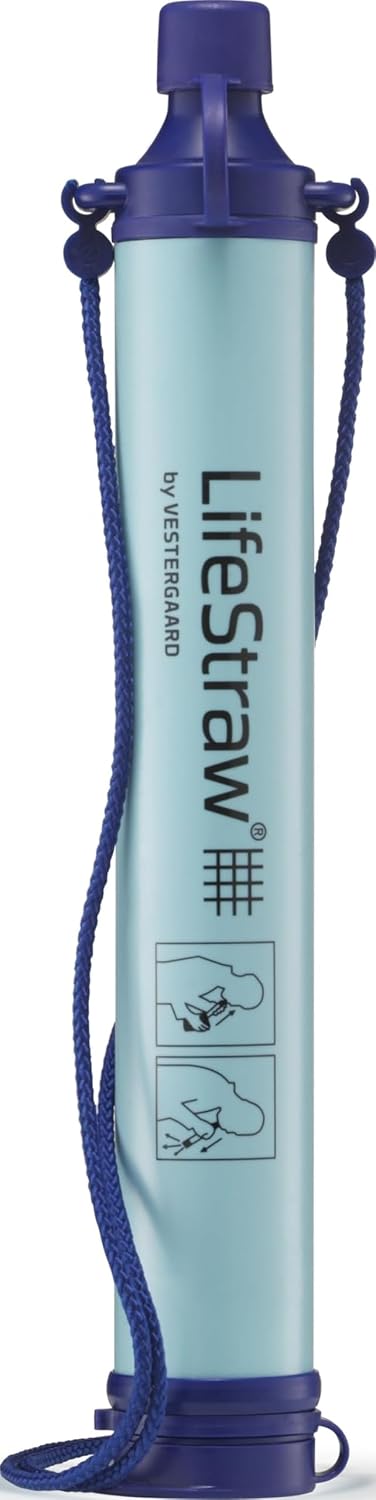
As an Amazon Associate I earn from qualifying purchases.