Forage to Survive: 20 Wild Edibles You Can Find Almost Anywhere in North America
Why Foraging Is a Non-Negotiable Survival Skill
When the grid goes down and your food stores run dry, the land around you becomes your grocery store — but only if you know how to read it. Foraging isn't a hobby for weekend hikers. It's a hard skill that could keep you alive when supply chains collapse, you're stranded after a bug-out gone wrong, or you're simply trying to reduce your dependence on a system that can fail at any moment. The problem is most people couldn't identify a dandelion from a death camas in a crisis situation. That gap in knowledge is a liability. This guide closes it. These 20 wild edibles are widespread across North America, recognizable with basic training, and nutritionally valuable enough to matter in a real survival scenario.
Understanding Wild Edibles: The Fundamentals Before You Eat Anything
Before you start stuffing things in your mouth, you need a framework. Foraging without knowledge is a fast track to poisoning yourself. Here's how to think about wild edibles like a professional:
- The Universal Edibility Test: If you're unsure about a plant, don't eat it in bulk. Test a small amount — roughly the size of a thumbnail — and wait 8 hours. Watch for burning, numbness, nausea, or rash. No reaction? Cautiously proceed with small quantities.
- Learn the Lookalikes: Every edible plant has at least one dangerous cousin. Deadly plants like poison hemlock, water hemlock, and death camas mimic edible species. You must know both the target plant AND its toxic lookalike before harvesting.
- Habitat Tells You What's Available: Disturbed soil (roadsides, cleared lots, trail edges) produces prolific edibles like dandelion, plantain, and lamb's quarters. Forests yield mushrooms, wood sorrel, and ramps. Waterways offer cattails and watercress. Know your terrain.
- Caloric Reality Check: Wild edibles are survival food, not gourmet dining. Most are low-calorie but high in vitamins and minerals. Prioritize calorie-dense finds like acorns, cattail pollen, and pine nuts in a true survival situation.
- Seasonal Timing: Spring and early summer are the peak foraging windows in most of North America. Learn which parts of each plant are edible in which season — roots may be best in fall, leaves in spring, seeds in late summer.
Invest in a region-specific field guide. The Peterson Field Guides series and Foraging the Mountain West by著 Thomas Elpel are solid starting points. Carry a guide in your bug-out bag alongside a hand lens (10x magnification) for examining plant details.

The 20 Wild Edibles: Identification, Use, and Caloric Value
These plants are organized from most to least commonly found in disturbed or transitional environments — the places you're most likely to be in a crisis situation.
- Dandelion (Taraxacum officinale)Every single part is edible — leaves, flowers, roots. Young leaves are best raw. Older leaves are bitter; boil them once to reduce bitterness. Roots can be roasted and ground as a coffee substitute. Found in virtually every lawn, field, and roadside in North America. High in vitamins A and C.
- Broadleaf Plantain (Plantago major)Not the banana. This low-growing rosette plant thrives in compacted soil, trails, and driveways. Leaves are edible raw or cooked. The seeds can be collected and boiled as a grain supplement — approximately 1 cup of seeds yields around 300 calories. Also has wound-drawing properties when chewed and applied as a poultice.
- Lamb's Quarters (Chenopodium album)One of the most nutritious wild greens available. Leaves have a whitish, powdery coating on the underside. Tastes similar to spinach when cooked. High in calcium, iron, and protein. Found in garden edges, disturbed lots, and farm fields. Avoid consuming large amounts raw due to oxalic acid — boil and discard water.
- Purslane (Portulaca oleracea)Fleshy, succulent-like stems and small rounded leaves. Grows flat on the ground in garden beds and hot, dry disturbed soil. One of the best plant sources of omega-3 fatty acids. Eat raw in salads or cook like spinach. Identification is easy — no dangerous lookalikes in North America.
- Wood Sorrel (Oxalis spp.)Looks like clover with heart-shaped leaflets. Tastes sharply lemony due to oxalic acid. Eat in small quantities raw for flavor or vitamin C. Available in forests, shaded gardens, and lawn edges across the continent. Do not confuse with yellow clover — sorrel leaves fold downward along the central crease.
- Stinging Nettle (Urtica dioica)Wear gloves during harvest — the stinging hairs cause intense skin irritation. Once boiled or dried, completely safe and highly nutritious. One of the highest-protein wild plants available — roughly 6.9g of protein per 100g cooked. Use like cooked spinach in soups, stews, or tea. Found in moist, nitrogen-rich soil near streams and disturbed areas.
- Cattail (Typha latifolia)The survival supermarket of wetlands. Young shoots (spring) taste like cucumber — peel the outer layers and eat the white inner core raw or cooked. Pollen (late spring) can be collected in a bag by bending the flower head and shaking — high in calories and protein. Roots can be processed into starch year-round. Found in marshes, pond edges, and drainage ditches.
- Acorns (Quercus spp.)High in fat and carbohydrates — one of the most calorie-dense wild plant foods available. Raw acorns are bitter due to tannins. Leach tannins by grinding the acorns and soaking the meal in cold water, changing the water every few hours for 1–3 days until the bitterness fades. Then dry and use as flour. White oak acorns have the lowest tannin content.
- Wild Garlic / Ramps (Allium ursinum / Allium tricoccum)If it smells strongly of garlic or onion, it's almost certainly safe. This smell test is your most reliable identification tool for this family. Ramps grow in moist forest floors in early spring. Use leaves, stems, and bulbs. Calorie-dense and rich in vitamins. Critical warning: Lily of the Valley and False Hellebore look similar but have NO garlic smell — if it doesn't smell, do not eat it.
- Chickweed (Stellaria media)A delicate, low-growing plant with small star-shaped white flowers and a single line of hairs running along the stem. Mild flavor, excellent raw in salads. Found in cool, moist garden soil and lawns from fall through spring. High in vitamin C and calcium.
- Pine Needles and Inner Bark (Pinus spp.)Pine needles steeped in hot water create a vitamin C-rich tea — use approximately 2 tablespoons of fresh needles per 8 oz of water. The inner cambium layer (white layer just under the outer bark) can be scraped and eaten raw or dried and ground into flour. Eastern White Pine is ideal. Avoid Yew — it has red berries and flat needles and is highly toxic.
- Elderberries (Sambucus nigra)Small, dark purple-to-black berries growing in clusters on shrubs with compound leaves. Rich in vitamin C and antioxidants. Must be cooked before eating — raw berries cause nausea. Flowers are edible raw. Lookalike warning: Water hemlock grows nearby in similar habitats. Elderberries have a distinctive musty-sweet smell. Water hemlock does not.
- Blackberries and Raspberries (Rubus spp.)One of the safest forage foods for beginners — no truly dangerous lookalikes. Thorny canes with compound leaves and aggregate fruits. Eat ripe berries raw or cook down for preservation. Leaves make a mild herbal tea. Found in forest edges, disturbed areas, and fence lines across all of North America.
- Wild Violet (Viola sororia)Heart-shaped leaves and purple flowers growing in lawns and shaded areas. Both leaves and flowers are edible raw. High in vitamins A and C. Flowers can be used to make a basic vitamin-rich syrup when boiled with water and a small amount of sweetener. Widely distributed east of the Rockies.
- Hawthorn Berries (Crataegus spp.)Small red-to-orange berries on thorny trees or large shrubs. Mealy in texture, mildly sweet. Eat raw or cook into a paste. High in calories for a wild fruit — roughly 50 calories per 100g. Seeds contain trace cyanide compounds; do not crush or chew seeds. Found in hedgerows, forest edges, and open fields.
- Watercress (Nasturtium officinale)Found in cold, clear, slow-moving streams. Small rounded leaves on floating stems with a peppery taste. High in vitamins K, C, and A. Critical warning: Only harvest from clean, uncontaminated water sources. Agricultural runoff upstream means potential contamination with pathogens like liver fluke. If uncertain, cook before eating.
- Clover (Trifolium spp.)Red and white clover flowers and leaves are edible raw or dried and ground into flour. Flowers are best eaten in small amounts due to potential bloating when consumed in large quantities raw. Steep dried flowers for a mild, sweet tea. Found in virtually every lawn and meadow across North America.
- Hickory Nuts (Carya spp.)Among the highest-calorie wild nuts available — approximately 700 calories per 100g. Thick-husked nuts from deciduous forests in the eastern half of North America. Crack with a rock if no tools available. Shagbark hickory is most recognizable by its distinctive shaggy, peeling bark. Collect in fall and store in cool, dry conditions.
- Wild Mustard (Brassica spp.)Bright yellow four-petaled flowers in a cross pattern (all members of the mustard family have this structure). Leaves, flowers, and seeds are edible. Seeds can be ground and used as a calorie-dense condiment or added to food for fat content. Found in fields, roadsides, and disturbed agricultural land nationwide.
- Hen of the Woods / Maitake Mushroom (Grifola frondosa)A large, bracket-style mushroom growing at the base of oaks in fall. Gray-to-brown overlapping fronds in a fan or ruffled pattern. One of the safest edible mushrooms to identify for beginners due to its distinctive form and lack of close toxic lookalikes. Can reach 20–30 lbs per specimen. Cook thoroughly before eating. Rich in protein and B vitamins.
Critical Mistakes That Will Get You Killed — And How to Avoid Them
- Mistake #1: Partial IdentificationIdentifying one feature of a plant and assuming you know what it is. A three-leaflet plant is not automatically safe because it looks like clover. You need to confirm multiple identifying features simultaneously — leaf shape, stem structure, habitat, smell, flower structure, and root form. If you can't confirm at least 4 independent identifying features, do not eat it.
- Mistake #2: Eating Too Much Too FastEven safe edible plants can cause digestive distress in large amounts, especially if your gut isn't used to them. Start with small portions — roughly 1–2 oz — and increase gradually. This is especially true for stinging nettle, lamb's quarters, and wood sorrel, which contain compounds that require your body to adapt.
- Mistake #3: Ignoring Contamination RiskPlants near roadsides absorb heavy metals and exhaust pollutants. Plants near agricultural fields may carry pesticide and herbicide residue. Plants from contaminated waterways can carry pathogens. Maintain a 50-foot buffer from roads and 100-foot buffer from known agricultural spray zones when harvesting. When in doubt, cook your forage at a rolling boil for at least 5 minutes.
- Mistake #4: Skipping Field Guide Study Until You Need ItIf you wait until a crisis to open your field guide, you will make fatal mistakes under stress and hunger. Build your identification skills now, in low-stakes conditions. Spend at least one afternoon per month identifying plants in your local area. Handle them. Compare them to the guide in real time. Build visual memory before your life depends on it.
- Mistake #5: Over-Relying on Digital Resources in the FieldSmartphone apps like iNaturalist and PictureThis can assist but are not reliable enough to stake your life on. They misidentify toxic lookalikes regularly. Use apps as a supplemental tool only. Your primary identification method must always be a printed field guide cross-referenced with your own trained observation.

What to Practice This Weekend
Get outside. Pick three plants from this list that are likely in your immediate area — dandelion, plantain, and chickweed are a solid starting trio for most of North America. Find them. Identify them using at least four separate features. Harvest a small amount. Cook or eat them appropriately. Then open your field guide and study two lookalike pairs. That single afternoon of hands-on practice is worth more than a year of reading. The land will feed you — but only if you've already done the work to learn its language.
🛒 Essential Survival Gear
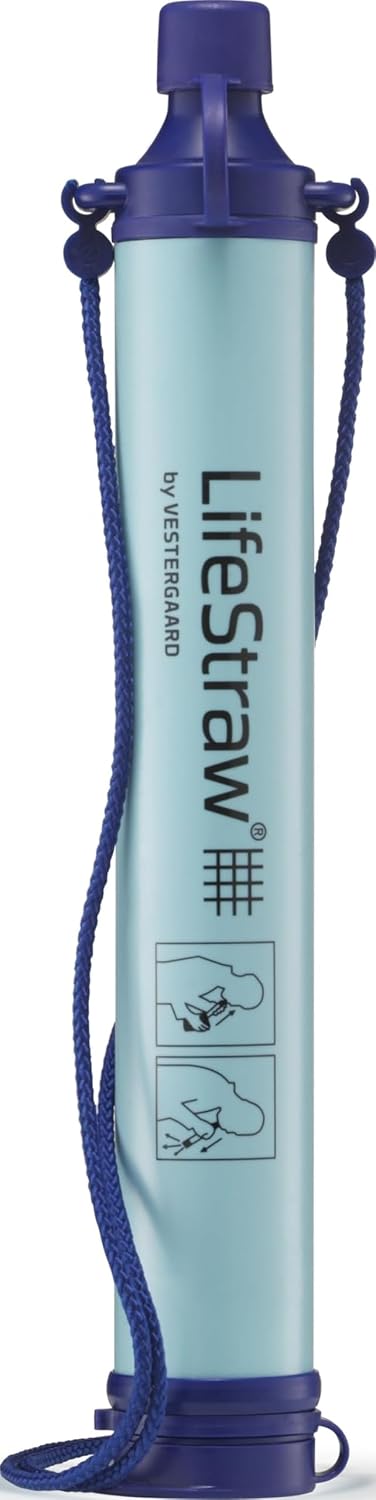
As an Amazon Associate I earn from qualifying purchases.