Field Gear Maintenance and Repair: How to Keep Your Equipment Alive When It Matters Most

Why Most People Get This Wrong
Most preppers spend hundreds — sometimes thousands — of dollars building out their kit, then treat maintenance like an afterthought. They inspect gear once, pack it away, and assume it'll perform when the moment comes. It won't. Gear fails silently in storage and catastrophically in the field. A cracked boot sole three days into a bug-out doesn't care how much you paid for those boots.
Here are the most common mistakes that will get you killed:
- No routine inspection schedule. If you're not inspecting your gear every 30–60 days, you're flying blind. Seams fray, lubricants dry out, and rubber degrades whether you're using the gear or not.
- Carrying no repair materials. A full pack with zero repair capability is just dead weight when your main shelter pole snaps or your water filter housing cracks.
- Assuming factory specs hold forever. A knife edge dulls. A zipper stops sealing. A fire starter wears down. Nothing stays mission-ready on its own.
- Learning repair skills only when something breaks. The field is not a classroom. If you've never patched a sleeping bag or re-lashed a broken frame, you will not figure it out under stress, in the dark, in the rain.
- Neglecting lubrication and corrosion prevention. Metal components in knives, multi-tools, and firearm cleaning kits corrode faster in humid or wet environments. One week of neglect can render tools useless.
The mindset shift you need: treat your gear like a soldier treats a weapon. It is a system. Systems require maintenance to function. No exceptions.
The Fundamentals: A Step-by-Step Field Maintenance Protocol
Build these habits before a crisis, so they become automatic under pressure.
- Daily End-of-Day Inspection (5–10 minutes). Every evening in the field, run a quick systems check. Check all load-bearing straps and buckles on your pack for stress fractures or fraying. Inspect boot soles for separation. Look at your shelter — stakes, guy lines, pole connections. Wipe down metal tools and apply a thin coat of oil to blades and hinges.
- Clean before you repair. Always clean the damaged area before applying any adhesive, patch, or tape. Dirt, moisture, and oils prevent bonding. Use an alcohol wipe (carry at least 20 in a zip-lock) to prep surfaces.
- Prioritize structural repairs first. Triage your repairs by mission impact. A broken pack frame affects everything. A torn jacket pocket affects nothing. Fix what degrades your survivability first.
- Knife maintenance on rotation. A dull knife is a dangerous knife — it requires more force and slips more often. Use a pocket diamond sharpening stone (DMT Diafold or similar, 3–4 inches) to touch up your edge every 2–3 days of hard use. Strop on leather or your belt before each critical cutting task.
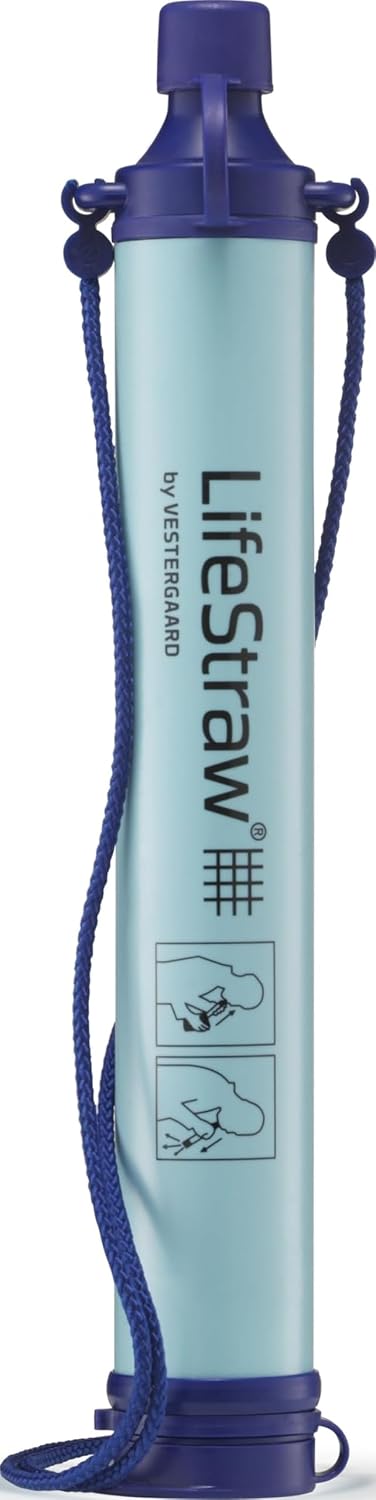
- Water filter care. If you're running a hollow fiber filter like a Sawyer Squeeze, backflush it every single day of heavy use. In freezing temps, keep it inside your sleeping bag at night — a frozen filter membrane cracks and is done. This is non-negotiable.
- Footwear repair is an emergency task. Sole separation is one of the most common and dangerous field failures. At first sign of peeling, clean the area and apply Shoe Goo or Barge Cement. Clamp or tape it closed for at least 8 hours. Don't wait until the sole is fully detached.
- Document damage. Keep a small field notebook. Log what broke, when, and what fix you applied. This builds your knowledge base for future gear decisions and resupply planning.

What You Need: The Field Repair Kit Checklist
Your repair kit should weigh under 12 ounces and fit in a small pouch. Every item earns its weight. Here's what to carry:
- Tenacious Tape (Gear Aid) — 3-inch x 20-inch roll. Repairs tents, tarps, sleeping bags, rain gear, and packs. Works on wet surfaces.
- Duct tape — 10–15 feet wrapped around a water bottle or trekking pole to save space. General purpose fix for almost anything.
- Shoe Goo or Barge Cement — 1 small tube. Sole repair, boot waterproofing, and bonding hard materials.
- Needle and thread (heavy duty) — Size 18 curved needle with 20 feet of waxed polyester thread. Handles pack webbing, tarp stitching, and clothing repairs.
- Safety pins (assorted, 10–12 count) — Faster than thread for non-structural clothing repairs and improvised gear modifications.
- Wire (24-gauge stainless steel, 5 feet) — Lashing broken poles, repairing frame components, improvised snare wire.
- Zip ties (10 count, 8-inch) — Fast structural repairs on packs, splinting, and gear modifications.
- Alcohol wipes (20 count) — Surface prep for adhesives, minor wound care, tool cleaning.
- Mini diamond sharpening stone — Keep blades functional throughout the duration.
- Petroleum-based lubricant (small bottle, 1 oz) — Rem Oil, Ballistol, or similar for blades, zippers, tool hinges, and fire starter mechanisms.
- Replacement buckles (2–3 assorted side-release buckles) — The number one pack failure point. Weigh nothing. Indispensable.
- Seam sealer (small tube) — Reapply to tent seams and jacket seams when waterproofing degrades in the field.
Advanced Tactics: What Separates the Prepared from the Merely Equipped
Anyone can buy a repair kit. Not everyone understands adaptive field repair — using what you have, on the fly, under pressure.
- Know your gear's failure points before they fail. Every piece of equipment has a known weak point. Trekking poles fail at the locking collar. Backpacks blow out at the hip belt attachment. Research your specific gear's documented failure modes and pre-treat or reinforce those areas before you deploy.
- Use paracord as a universal repair material. Carry at least 50 feet of 550 paracord. You can gut it for fine lashing work, use the outer sheath as a strap replacement, or braid sections for structural cordage. Practice gutting and braiding before you need it.
- Learn improvised splinting for rigid gear components. A broken tent pole can be splinted with a stick and wire or duct tape in under three minutes if you've practiced it once. Trekking poles can be field-splinted the same way. Drill it at home.
- Waterproofing is maintenance, not a one-time treatment. Reapply DWR (Durable Water Repellent) treatment to your rain gear every 6–8 uses or when you notice water no longer beading on the surface. In the field, a dry run with body heat or a low fire can temporarily restore DWR performance.
- Pre-position repair materials inside your gear, not just in your pack. Wrap a few feet of duct tape around your water bottle. Tuck a folded piece of Tenacious Tape in your jacket pocket. If your pack is separated from you, you still have repair capability.

The Bottom Line: Action Steps to Take This Week
Don't read this and do nothing. That's how people die with good gear in their pack.
- This week: Pull out all your primary survival and bug-out gear. Inspect every item — seams, soles, buckles, blades, filters. Document what needs attention. Fix it now, not in the field.
- This week: Build or audit your field repair kit against the checklist above. Fill the gaps. Keep it in a dedicated pouch, labeled and accessible — not buried at the bottom of your bag.
- This month: Practice at least three repair skills hands-on — sharpen a blade, patch a tent fabric with Tenacious Tape, and re-lash a broken pole with wire and paracord. Muscle memory is the only memory that works under stress.
- Ongoing: Set a calendar reminder for a 30-day gear inspection cycle. Treat it like a non-negotiable appointment. Because it is.
- Ongoing: Rotate gear through real use — weekend campouts, day hikes, or practice bug-out drills. Gear reveals its failure points under load and use. Find those failures now, in a controlled environment.
Your gear is only as reliable as the attention you give it. A $400 sleeping system packed dirty and unrepaired is worth nothing when temperatures drop and your life depends on it. Build the habit now.
Self-reliance isn't a product you buy — it's a practice you build, one maintained piece of gear at a time.
Want to see these repair techniques demonstrated step by step? — we break down real field skills with zero fluff, so you're ready when it counts.
🛒 Essential Survival Gear
As an Amazon Associate I earn from qualifying purchases.