**Dehydration in the Field: Recognize It Fast, Treat It Right, or Pay With Your Life**

Why Most People Get This Wrong
Dehydration kills faster than almost any other field emergency — and most people don't take it seriously until they're already in serious trouble. By the time you feel thirsty, you're already 1–2% dehydrated. At 10%, you're looking at organ failure. That window between "I should probably drink some water" and "I need emergency intervention" is brutally short under heat, exertion, or stress.
Here's where most preppers, hikers, and even experienced outdoorsmen go wrong:
- Waiting for thirst to signal hydration needs. Thirst is a lagging indicator, not a real-time one. By design, your body triggers thirst after the deficit has already started. In a field situation with elevated activity and heat, you are always playing catch-up if you're drinking reactively.
- Confusing dehydration symptoms with other conditions. Headache? Must be the sun. Confusion? Must be stress. Muscle cramps? Must be overexertion. These are textbook dehydration signs, and misreading them costs people their lives every year in backcountry settings.
- Treating dehydration with water alone. Plain water without electrolytes in a heavy fluid-loss scenario can cause hyponatremia — dangerously low sodium levels — which mimics dehydration but can lead to seizures and death if you keep pushing fluids without balancing electrolytes.
- Underestimating sweat loss rate. In hot weather with moderate exertion, an average adult loses 1–2 liters of fluid per hour through sweat. Most people carry nowhere near enough water for even a 4-hour patrol or bug-out movement.
- Ignoring dehydration in cold environments. Cold suppresses the thirst mechanism even further. Breathing cold dry air causes significant moisture loss. Winter preppers who focus only on warmth and neglect hydration are setting themselves up for a serious problem.
The Fundamentals: Recognizing and Treating Dehydration Step by Step
Know the progression. Dehydration moves in stages, and each stage demands a specific response. Here's the breakdown you need to memorize:
- Mild Dehydration (1–3% body weight loss): Symptoms include dry mouth, slightly darker urine (pale yellow is normal — darker means you're behind), mild headache, reduced energy, and early thirst. Treatment: Drink 500–750ml of water with electrolytes immediately. Rest in shade if possible. Resume hydration at a steady pace — about 250ml every 15 minutes.
- Moderate Dehydration (3–6% body weight loss): Symptoms escalate to significant headache, dizziness when standing (orthostatic hypotension), reduced urine output, dry skin with reduced elasticity (pinch the skin on the back of your hand — if it tents and doesn't snap back within 2 seconds, you're moderately dehydrated), irritability, and muscle cramps. Treatment: Stop exertion immediately. Move to shade or shelter. Drink 1 liter of electrolyte solution over 30–45 minutes. Do not chug — rapid intake causes vomiting, making the situation worse. Monitor urine output and color closely.
- Severe Dehydration (6–10%+ body weight loss): This is a medical emergency. Symptoms include rapid heart rate, sunken eyes, confusion or altered mental status, inability to urinate, extreme weakness, and in advanced cases, unconsciousness. Treatment: If IV access is available and you're trained, begin IV fluids — Lactated Ringer's or Normal Saline at 500ml–1L wide open for initial resuscitation. If oral intake is still possible, force small sips of oral rehydration solution (ORS) every few minutes. Evacuate if at all possible. This is beyond field management territory.
The urine color test is your most reliable field diagnostic tool. Here's the quick scale:
- Clear to pale yellow: Hydrated
- Yellow: Borderline — drink now
- Dark yellow to amber: Moderate dehydration — take action
- Brown or orange: Severe dehydration — emergency
Field electrolyte replacement is not optional. For every liter of sweat lost, you lose approximately 900mg of sodium, 200mg of potassium, and significant amounts of magnesium and chloride. Replacing water without these minerals sets you up for compounding problems. A basic field ORS can be made from 1 liter of clean water, 6 level teaspoons of sugar, and 1/2 teaspoon of salt. It's not perfect, but it works in a pinch when commercial options are gone.

What You Need: Gear, Supplies, and Skills Checklist
Your hydration kit is not optional. This is survival infrastructure. Here's what belongs in your pack and your home cache:
- Water Carrying Capacity: Minimum 3 liters on your person for any field movement. A 3L hydration bladder (Platypus, CamelBak, or Nalgene-compatible systems) combined with a hard-sided 1L Nalgene bottle as backup covers most scenarios. For extended operations or bug-out situations, plan for 4–6 liters per person per day in warm conditions.
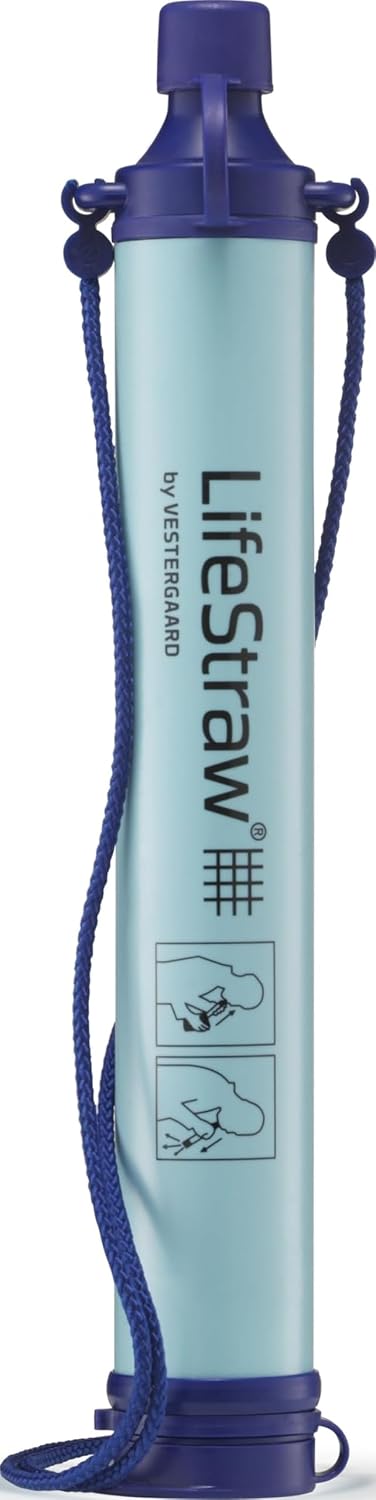
- Water Purification: You need redundancy. A Sawyer Squeeze or Sawyer Mini as primary, iodine tablets or Aquatabs as secondary, and a SteriPen UV purifier if you have the budget. Each method has failure points — weather, turbidity, chemical degradation. Never rely on one method in the field.
- Electrolyte Supplies: Carry at minimum 10–15 single-serve electrolyte packets per person per week of planned operation. Liquid IV, LMNT, and Nuun tablets are all solid options. LMNT is specifically formulated without sugar fillers and has a high sodium content (1000mg per packet) that makes it excellent for heavy exertion scenarios. Store a 30–60 day bulk supply at your home base.
- Oral Rehydration Salts (ORS): WHO-formulated ORS packets. These are designed specifically for severe dehydration and diarrheal illness. Keep 20+ packets in your medical kit. They're cheap, lightweight, and could save someone's life.
- IV Fluid Supplies (Advanced): If you have the training — and you should consider getting it through a wilderness medicine course — keep 2–4 bags of Normal Saline (1000ml each) or Lactated Ringer's with compatible IV tubing and at least two 18-gauge catheters. Store in a temperature-controlled environment.
- Thermometer: Dehydration and heat exhaustion overlap. A reliable thermometer (digital oral or tympanic) helps you differentiate and triage accurately.
- Field Reference Card: A waterproof laminated card with dehydration staging, urine color chart, and ORS recipe. Knowledge degrades under stress — having it written down means you get it right when it counts.
Skills you need — not gear:
- IV insertion (wilderness medicine courses through NOLS or Wilderness Medical Associates teach this)
- Field assessment of skin turgor, capillary refill, and orthostatic vitals
- Recognition of hyponatremia (the over-hydration danger) versus dehydration
- Water sourcing and purification in austere environments
Advanced Tactics: What Separates the Prepared from the Underprepared
Knowing the basics keeps you alive. Understanding the advanced tactics keeps your whole group alive when the situation compounds.
- Pre-hydrate before you need to. The night before a long movement, forced march, or physically demanding operation, drink an additional 500–750ml of water with electrolytes. Start the morning with another 500ml before you move. You are building a reservoir before the deficit starts — not trying to fill it after the fact.
- Monitor your team, not just yourself. Cognitive decline from dehydration is insidious — the person who needs water most is often the last one to recognize it. Designate a hydration monitor in your group. Check in every 60 minutes. Enforce drinking if necessary. The team is only as fast as the slowest, most dehydrated member.
- Adjust for medications and medical conditions. Diuretics, antihistamines, certain blood pressure medications, and diabetes significantly accelerate dehydration risk. Know your group's medical profiles. These individuals need 20–30% more aggressive hydration management than baseline healthy adults.
- Understand exertional hyponatremia. In a high-stress scenario where people are drinking large amounts of plain water without eating or replacing electrolytes, sodium drops dangerously low. Symptoms look exactly like dehydration: nausea, headache, confusion, weakness. The treatment is opposite — you restrict water and give salt. Misdiagnosing this as dehydration and pushing fluids can cause brain swelling and death. This is why electrolytes are non-negotiable.
- Use the environment strategically. Move during cooler hours — early morning and evening. Rest in shade during peak heat (10am–4pm). Reduce exertion by 30–40% in temperatures above 90°F. Your water consumption drops dramatically when you stop fighting the environment and work with it instead.
- Cache water along planned routes. If you have pre-planned bug-out routes, water caching at key points is a force multiplier. 5-gallon sealed water jugs at buried cache points with route markers mean you don't have to carry everything on your back — and you always have a resupply in a known location.

The Bottom Line: Action Steps to Take This Week
Reading this means nothing if you don't act on it. Here's exactly what to do before next week:
- Audit your water supply. Count your liters. Do you have 1 gallon (roughly 3.8 liters) per person per day for at least 2 weeks at your home base? If not, start filling and rotating food-grade containers this week. 5-gallon stackable water jugs are inexpensive and space-efficient.
- Build your hydration kit. Put together one dedicated hydration pouch for each person in your group. Include: 2–3 electrolyte packets, 1 ORS packet, a Sawyer Mini with straw, iodine tabs, and a written dehydration assessment card. Cost: under $30 per kit.
- Practice the urine color assessment. Sounds simple. Most people have never consciously done it. Make it a morning habit this week — check your hydration status first thing every day until it's automatic.
- Get trained. Register for a Wilderness First Responder (WFR) or at minimum a Wilderness First Aid (WFA) course. These teach field assessment and intervention for dehydration and related conditions with hands-on practice. NOLS, Wilderness Medical Associates, and SOLO are reputable providers.
- Run a dehydration scenario drill. Roleplay a scenario with your group or family: one person presents with moderate dehydration symptoms. Have the others assess, diagnose, and initiate treatment using only what's in your kit. Find the gaps before they find you.
- Stock ORS packets. Order a box of WHO ORS packets online. They cost pennies per packet. Store them in your first aid kit, bug-out bag, and vehicle. This is a zero-excuse preparation that takes 10 minutes and could save someone's life.
Dehydration is not a dramatic emergency — until suddenly it is, and by then you've already lost the margin you needed to fix it.
Self-reliance isn't about having the right gear — it's about knowing what's killing you before it gets the chance.
🛒 Essential Survival Gear
As an Amazon Associate I earn from qualifying purchases.