Dehydration in the Field: Recognize It Fast and Treat It Before It Kills You

Why Most People Get This Wrong
The number one mistake preppers make with dehydration is waiting until they feel thirsty. By the time thirst hits, you are already 1–2% dehydrated — and cognitive function is already compromised. In a survival situation, compromised judgment gets you killed. Here is what else people consistently get wrong:
- Mistaking dehydration for hunger. The hypothalamus controls both thirst and hunger signals. People eat when they should be drinking, burning precious energy on digestion when the body needs water.
- Ignoring urine color. Most people have never been taught the urine color chart. Dark amber urine is a serious warning sign. Clear to pale yellow is your target. If you are not urinating at all, you are in crisis.
- Overdrinking plain water during heavy exertion. Replacing large water losses with plain water alone dilutes your electrolytes, causing hyponatremia — a dangerous and potentially fatal condition that mimics and accelerates dehydration symptoms.
- Assuming cool temperatures mean low risk. Cold, dry air pulls moisture from your lungs with every breath. Winter hiking and high-altitude operations are notorious for producing severely dehydrated people who never broke a sweat.
- Waiting for symptoms to worsen. At 5% dehydration, physical performance drops 30%. At 10%, you face organ stress, confusion, and collapse. Prevention and early intervention are everything.
The Fundamentals: Recognize and Respond Step by Step
Dehydration progresses in stages. Learn to read the signs before they escalate.
Stage 1 — Mild Dehydration (1–3% body weight loss):
- Increased thirst and dry mouth
- Slightly decreased urine output, urine darker than pale yellow
- Mild fatigue and headache
- Reduced concentration and minor irritability
Field Treatment for Mild Dehydration:
- Stop exertion immediately and move to shade or shelter.
- Drink 500ml (roughly 16 oz) of clean water over 15–20 minutes — do not chug it. Rapid intake can cause nausea and vomiting, making the situation worse.
- Add electrolytes. A single-serve oral rehydration salt (ORS) packet dissolved in 1 liter of water is the gold standard. Brands like Liquid I.V., DripDrop, or homemade ORS (1 liter water, 6 teaspoons sugar, ½ teaspoon salt) all work.
- Rest for 20–30 minutes before resuming activity.
Stage 2 — Moderate Dehydration (3–6% body weight loss):
- Sunken eyes and skin that stays tented when pinched (skin turgor test)
- Rapid heartbeat and shallow breathing
- Muscle cramps, especially in the legs and abdomen
- Significant confusion, dizziness when standing
- Very dark urine or complete absence of urination for 6+ hours
Field Treatment for Moderate Dehydration:
- The person must stop all activity. This is not optional.
- Lay them down with legs slightly elevated to improve circulation to vital organs.
- Administer 1 liter of ORS solution over 1 hour — approximately 250ml every 15 minutes.
- If nausea or vomiting is present, give small sips of 50–100ml every 5 minutes. Vomiting empties the stomach but small, slow intake stays down.
- Monitor pulse and breathing. If heart rate exceeds 100 BPM at rest, treat as severe.
- Target 2–3 liters of fluid replacement over the next 4–6 hours before considering further movement.
Stage 3 — Severe Dehydration (over 6% body weight loss):
This is a medical emergency. Symptoms include extreme confusion or unconsciousness, no urination, rapid weak pulse, and inability to keep fluids down. If the person cannot swallow safely, oral rehydration is no longer an option and evacuation is the mission.

What You Need: The Dehydration Response Kit
Every serious prepper should have the following on their person or within reach during any field operation:
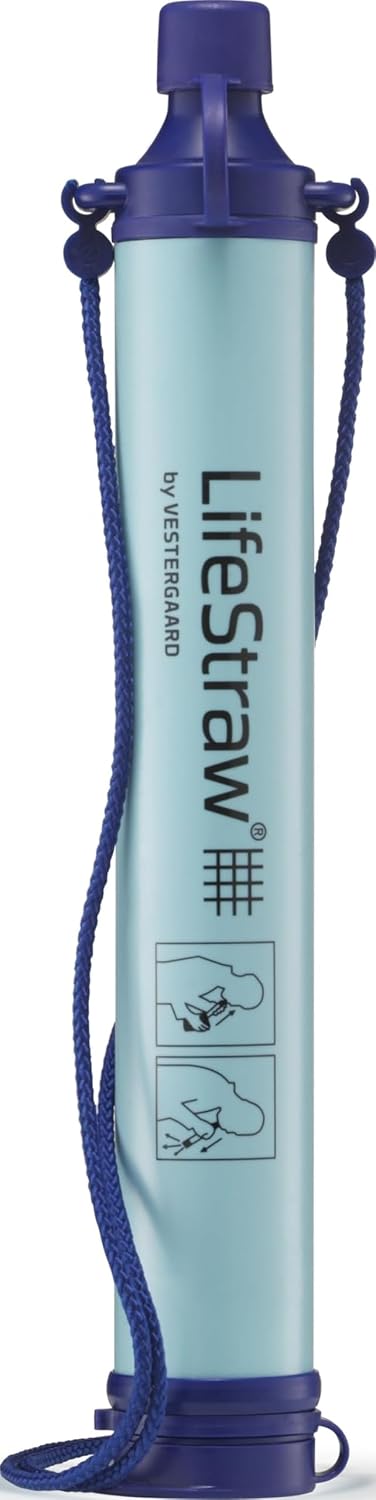
- Water Capacity: Minimum 2 liters on your person at all times. A Nalgene 32 oz wide-mouth bottle and a 1L Sawyer or Katadyn water filter squeeze pouch give you storage plus the ability to source and purify water in the field.
- Oral Rehydration Salts (ORS): Carry a minimum of 5 single-serve packets. DripDrop ORS, Liquid I.V. Hydration Multiplier, or WHO-formula ORS packets. These weigh almost nothing and belong in every kit.
- Electrolyte Tablets: Nuun Sport or SaltStick Caps. Take 1 tablet per 500ml of water during sustained exertion in heat.
- Water Purification Backup: Iodine tablets or Aquatabs (sodium dichloroisocyanurate) — 50 tablets per person minimum. Purify first, hydrate second.
- Urine Color Reference Card: Print one, laminate it, keep it in your kit. No-cost, no-weight decision-making tool that removes guesswork.
- Measuring Cup or Markings on Bottle: You need to track intake. Guessing is not good enough in a serious situation.
Advanced Tactics: What Separates the Prepared from the Prepared
Knowing the basics keeps you alive. These advanced practices keep you operational.
- Pre-hydrate before high-demand situations. Drink 500ml of water with electrolytes 30–60 minutes before any strenuous activity, before sleeping in heat, and before extended vehicle operations. You cannot catch up once the deficit starts compounding.
- Know the hydration math. General baseline in temperate conditions is 2–3 liters per day. Add 500ml per hour of moderate exertion. Add another 500ml–1 liter per hour in extreme heat. High altitude increases fluid needs by 25–50% due to increased respiration rate.
- Build a group hydration protocol. In any group survival situation, designate someone to monitor hydration status. Call mandatory water breaks every 45–60 minutes of movement. People in stress, trauma, or shock will not self-report thirst reliably.
- Learn IV therapy basics. A Wilderness First Responder (WFR) course covers field IV administration. In a long-term grid-down scenario with no evacuation option, IV normal saline or lactated Ringer's solution is the only field intervention for severe dehydration. This is a skill worth acquiring legally and training on properly.
- Understand medication interactions. Diuretics, antihistamines, blood pressure medications, and caffeine all accelerate fluid loss. If someone in your group takes these, their hydration needs are higher. Plan accordingly.

The Bottom Line: Action Steps to Take This Week
Stop reading and start executing. Here is your immediate action list:
- Audit your current water kit. How much water can you carry? Do you have purification? Do you have ORS packets? Fix the gaps this week, not next month.
- Practice the skin turgor test on yourself. Pinch the skin on the back of your hand and release. It should snap back instantly. Practice recognizing what delayed return looks like — it is a critical field diagnostic tool.
- Stock a 30-day ORS supply for your household. At roughly $0.50–$1.00 per packet, 90–120 packets covers a family of four through a serious crisis. This is one of the highest-value, lowest-cost preps you can make.
- Monitor your urine color for the next 7 days. Get a baseline understanding of your normal hydration state. Most people are chronically under-hydrated and do not know it.
- Sign up for a Wilderness First Aid or WFR course. Field medicine is a non-negotiable skill. Find a NOLS, SOLO, or WEMS-certified course near you.
The wilderness does not care about your good intentions — only your preparation and your execution.
Watch our full video breakdown of field medical response and hydration protocols on the Red Dawn Survival YouTube channel — real demonstrations, no theory, just skills that work when it counts. Subscribe now and never miss a training drop.
🛒 Essential Survival Gear
As an Amazon Associate I earn from qualifying purchases.