Creek and River Water — The Hidden Dangers Preppers Ignore

Why Most People Get This Wrong
Every year, thousands of people — including experienced outdoorsmen — get hit with waterborne illness because they made assumptions about moving water. The most dangerous assumption is this: if it looks clear and flows fast, it's safe to drink. It is not. Not even close.
Giardia, Cryptosporidium, E. coli, Leptospira, heavy metals, agricultural runoff, and industrial chemicals do not change the color or smell of water. A crystal-clear mountain stream running over rocks can carry enough pathogens to put you in the ground if the grid is down and you have no medical support. Preppers who understand firearms, food storage, and shelter but treat water as an afterthought are building a plan with a fatal hole in it.
Here are the most common mistakes that get people sick — or killed:
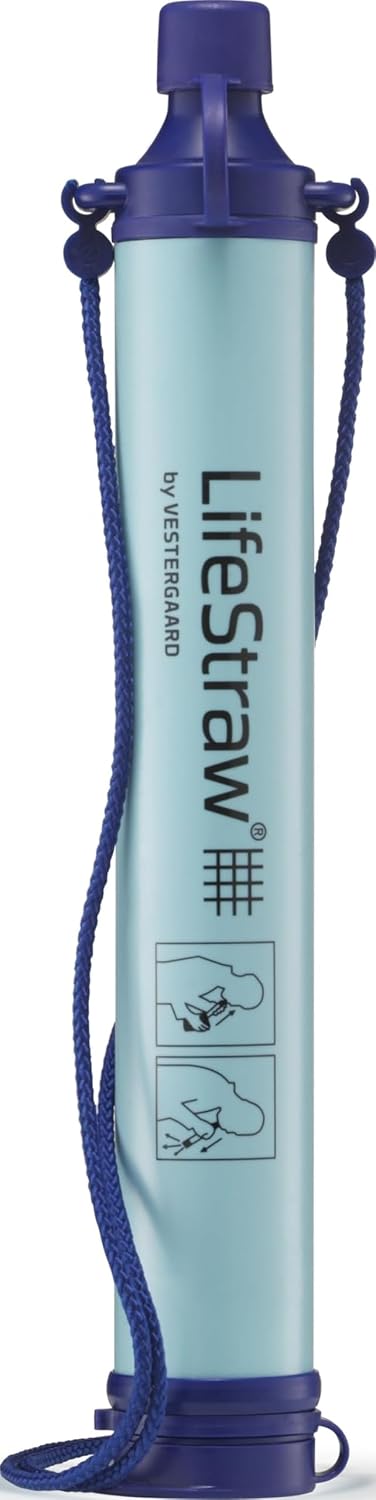
- Relying on a single filtration method. A standard hollow-fiber filter like a Sawyer Squeeze removes bacteria and protozoa but does nothing against viruses or dissolved chemicals. In remote wilderness this may be acceptable. In a post-disaster or high-population scenario, it is not.
- Ignoring upstream activity. Most people grab water from the nearest bank without thinking about what is upstream. A dead animal, a flooded farm, a leaking fuel tank, a septic system — all of these change what is in that water within hours.
- Skipping pre-filtration. Running turbid, silty water straight through a quality filter destroys it. Suspended particulates clog hollow-fiber membranes fast and render your primary filter useless within days of heavy use.
- Assuming cold water is clean water. Cold slows some biological processes but does not kill pathogens. Snowmelt runoff in alpine environments can still carry Giardia from wildlife fecal matter deposited months earlier.
- Not accounting for chemical contamination. Filtration and chemical treatment kill biologicals. They do not remove nitrates, heavy metals, herbicides, or fuel derivatives. In a flood scenario, these contaminants are everywhere.
- Treating water once and storing it in a compromised container. A cracked or improperly sanitized container recontaminates treated water within 24 hours.
The Fundamentals — How to Properly Source and Treat Creek and River Water
There is a sequence to this. Skip a step and you are gambling with your life or the lives of your group. Follow it consistently and you dramatically reduce your risk even in the worst conditions.
- Source SelectionBefore you touch the water, think. Walk upstream at least 200 yards if possible. Look for signs of animal carcasses, agricultural fields, roads, structures, industrial sites, or heavy human traffic. Choose the fastest-moving, clearest section you can access. Avoid water directly at the bank where runoff concentrates. Collect from mid-current where possible using a dedicated collection vessel — not your drinking container.
- Pre-Filter for TurbidityIf the water has any visible particulate, silt, or cloudiness, pre-filter before doing anything else. Options in order of preference:The goal is to get the water visibly clear before it touches your primary filter or treatment method.
- Commercial pre-filter bag or first-stage sediment filter
- Bandana or tightly woven cloth folded 4 layers thick
- Coffee filters (carry a stack of 50 — they weigh almost nothing)
- Improvised sand-and-gravel gravity filter built from two containers
- Primary FiltrationA quality hollow-fiber filter removes bacteria (including E. coli, Salmonella) and protozoa (Giardia, Cryptosporidium) down to 0.1 microns. The Sawyer Squeeze, MSR TrailShot, and Platypus GravityWorks are all proven field options. For group use, a gravity filter system with a 4-liter capacity is the minimum. Flow rate matters when you are producing water for 4–6 people per day — plan for a minimum of 1 gallon per person per day for drinking and cooking alone.
- Chemical Treatment or UV PurificationThis is the step most preppers skip and it is the step that addresses viruses. Hepatitis A, norovirus, and rotavirus pass straight through mechanical filters. Your options:
- Unscented liquid chlorine bleach (6–8.25% sodium hypochlorite): 8 drops per gallon of clear water, 16 drops per gallon of cloudy water. Wait 30 minutes before drinking. A 32-oz bottle treats hundreds of gallons.
- Calcium hypochlorite (pool shock at 68–78%): Far more efficient for long-term storage. One pound treats up to 10,000 gallons. Mix 1 teaspoon per 2 gallons of water to create a stock solution, then use 1 part stock solution per 100 parts water.
- Iodine tablets: Effective against viruses and bacteria but not Cryptosporidium. Useful as a backup, not a primary method. Follow package dosing — typically 1 tablet per liter, 30-minute wait.
- UV purifiers (SteriPen): Fast, effective against all biologicals including viruses. Requires batteries or recharging. Carry as a primary with chemical backup.
- StorageTreated water goes into a dedicated, clean container that has been sanitized with a dilute bleach solution (1 tablespoon bleach per gallon of water, swirl and drain). Use food-grade containers only. Label treated water. Do not reintroduce untreated water or unclean hands into treated water storage.

What You Need — The Water Treatment Kit
This is not optional equipment. This is infrastructure. Build at least two levels of redundancy into your water treatment capability. If one system fails or gets lost, you do not go dry.
Individual/Bug Out Kit (minimum):
- 1x Sawyer Squeeze or Sawyer Mini with 32-oz squeeze pouch
- 1x SteriPen Aqua UV purifier with lithium AA backup batteries (4 spares minimum)
- 20x Aquatabs or equivalent water purification tablets
- 10x coffee filters in a zip-lock bag
- 1x bandana (double duty as pre-filter and general use)
- 1x dedicated 2-liter BPA-free collection container (separate from drinking container)
- 1x 32-oz unscented liquid bleach in a leakproof bottle
- 1x permanent marker for labeling
Base Camp / Homestead / Group Setup (4–6 people minimum):
- 1x MSR Guardian or Platypus GravityWorks 4L gravity filter system
- 1x 5-gallon food-grade bucket with gamma-seal lid (pre-filter stage)
- 1x 5-gallon food-grade bucket with spigot (treated water storage)
- 1 lb calcium hypochlorite (pool shock, 68–78%, no additives)
- 1x digital TDS meter (measures total dissolved solids — a basic indicator of chemical contamination)
- 50x coffee filters
- 2x backup hollow-fiber filters (sealed, stored dry)
- Printed laminated water treatment instructions (because stress kills memory)
Skills you must have before you need them:
- Ability to construct a field gravity filter from natural materials
- Knowledge of correct bleach dosing by memory
- Ability to back-flush a hollow-fiber filter to restore flow rate
- Recognition of signs of chemical vs. biological contamination
- Ability to collect and store 10 gallons of treated water per day for a family of four under field conditions
Advanced Tactics — What Separates the Prepared from the Prepared
Basic filtration keeps you alive. These advanced practices keep you operating at full capacity over weeks and months — the difference between surviving and sustaining.
- The Three-Container System: Use a dedicated collection container, a pre-filter settling container, and a final treated storage container. Never cross-contaminate. Label them permanently. This discipline alone eliminates most recontamination events.
- Know Your Watershed: Before a crisis hits, identify every creek, river, and water source within 5 miles of your bug-out location or homestead. Note what is upstream of each — farms, roads, industrial sites, residential areas. Pre-rate each source on a 1–3 scale: clean, marginal, last resort. This eliminates dangerous decision-making under stress.
- Solar Disinfection (SODIS) as a Zero-Supply Backup: Clear water in a clear PET plastic bottle left in direct sunlight for 6 hours (12 hours if partly cloudy) achieves significant pathogen reduction through UV-A radiation. It does not address chemical contamination and requires clear water and consistent sunlight, but it costs nothing and requires no supplies. Know it. It may save your life.
- Test Before You Trust: A basic water test kit (Watersafe or similar, available for under $20) tests for bacteria, nitrates, pH, hardness, and chlorine. In a prolonged scenario, a positive bacteria test on your treated water tells you your process has failed before it tells you in your gut. Carry two test kits in your long-term storage.
- Rotating Your Treatment Chemicals: Liquid bleach degrades. At room temperature, it loses roughly 20% of its effectiveness every year. Check manufacture dates and rotate stock annually. Calcium hypochlorite in sealed containers lasts 3–5 years when stored cool and dry — this is why serious preppers use pool shock over liquid bleach for long-term storage.
- Boiling as a Last Resort — Not a Primary Method: Boiling kills all biological pathogens at a rolling boil for 1 minute (3 minutes above 6,500 feet elevation). It requires fuel. It takes time. It does nothing about chemical contamination and concentrates dissolved solids. Use it when your filter fails and you have no chemicals. Do not build your water plan around it.
- Reading Water Chemistry by Sight and Smell: Blue-green tint with a musty smell indicates algal bloom — potential cyanotoxins that most filters and chemical treatments do not address. Oily sheen indicates petroleum contamination. Strong sulfur smell indicates hydrogen sulfide (naturally occurring but also a sign of bacterial activity). Milky appearance indicates high dissolved minerals. Each of these requires a different response. Learn to read water before you drink it.

The Bottom Line — Action Steps to Take This Week
Knowledge without action is worthless. Here is your concrete task list for the next seven days:
- Audit your current water kit today. Pull out everything you have for water treatment. Check expiration dates on tablets and bleach. Check your filter for damage and back-flush it if needed. If you do not have a UV purifier as a second line of defense against viruses, order one this week.
- Map your water sources. Identify every natural water source within 5 miles of your primary location and your bug-out location. Note upstream threats. Write it down and add it to your emergency binder.
- Acquire calcium hypochlorite if you do not have it. One pound from a pool supply store or Amazon, 68–78% concentration, no additives. Under $10. Store in a sealed plastic bag inside a sealed container away from heat and light.
- Practice the full treatment sequence once. Collect water from an outdoor source. Pre-filter it. Run it through your mechanical filter. Treat it chemically. Store it properly. Time the process. Know how long it takes to produce 5 gallons with your current setup. Adjust your kit if the answer is too slow.
- Build or designate your three-container system. Label three containers: COLLECT, SETTLE/PRE-FILTER, TREATED. Keep them together. Train everyone in your household on the system.
- Print and laminate your treatment protocols. Include bleach dosing, boiling times, filter back-flush instructions, and SODIS procedure. Laminate it. Put one copy in your bug-out bag and one in your home emergency kit.
Water is the single most unforgiving resource in a survival scenario — you can improvise food, shelter, and even fire, but there is no improvising your way out of Cryptosporidium three days into a crisis with no medical support available.
The self-reliant person does not hope the water is safe. They know it is — because they made it that way.
🛒 Essential Survival Gear
As an Amazon Associate I earn from qualifying purchases.