Cold Weather Bug Out Bag Additions: What Your Pack Is Missing Before Winter Hits

The Reality Most People Ignore
Picture this: it's February, the grid goes down, and you're standing in your driveway at 2 AM with your family, the temperature dropping hard toward single digits. Your bug out bag is packed — you built it last spring. You hit the trail or the road and within three hours, someone's hands stop working. The fire won't start. The shelter is wrong for the cold. You made a mistake that costs everything, and it started long before that night. It started the moment you told yourself your summer bag would be good enough for winter.
Cold kills faster than almost any other survival threat. It is silent, relentless, and it punishes preparation gaps with brutal efficiency. Hypothermia can set in at temperatures well above freezing — especially when you're wet, exhausted, and moving. Most preppers have a general-purpose bug out bag that functions reasonably well in moderate conditions. But a bag built for April is a liability in January. This is the gap that gets people killed, and it's one of the most overlooked failures in the prepper community.
Core Principles and Knowledge Breakdown
Before we talk gear, understand the enemy. Cold weather survival revolves around three life-threatening dynamics: heat loss, moisture management, and energy depletion. Every item you add to your winter bug out bag should address at least one of these. If it doesn't, it's dead weight — and in a winter bug out, dead weight can literally kill you.
Heat Loss: Your body loses heat through conduction, convection, radiation, and evaporation. Ground contact is one of the fastest ways to lose core temperature — sleeping on bare earth or snow without proper insulation beneath you will drain your warmth faster than cold air alone. This is why insulation from below matters just as much as insulation above.
Moisture Management: Cotton kills in cold weather — full stop. Wet cotton pulls heat from the body 25 times faster than dry fabric. Every layer in your pack should be wool, synthetic, or a performance blend. This means auditing every piece of clothing you planned to bug out in and replacing cotton with moisture-wicking, fast-drying alternatives.
Energy Depletion: Your body burns significantly more calories in cold weather just to maintain core temperature. A person operating in sub-freezing temperatures while carrying a loaded pack and managing stress can burn 4,000 to 6,000 calories per day. Your food load must reflect this. Light snacks and one MRE a day won't cut it in a sustained winter scenario.

Building This Into Your Prep Plan
Here's what your cold weather bug out bag needs that your current pack almost certainly lacks or has underpowered:
- Layering System: Base layer (merino wool or synthetic), mid layer (fleece or down), and a hardshell outer layer rated for wind and precipitation. Each person in your group needs their own complete system — don't share layers.
- Insulated Sleeping System: A 0°F rated sleeping bag minimum, paired with a closed-cell foam sleeping pad or inflatable pad with an R-value of at least 4.0. The pad is non-negotiable. A great bag on bare ground still fails.
- Winter Fire Starting Kit: Your standard lighter and matches won't cut it when your hands are numb and wood is wet. Pack a ferrocerium rod with a thick striker, waterproof matches in a crush-proof case, a butane lighter kept warm in an inside pocket, and fire starters like fatwood sticks or petroleum-based tinder tabs. Carry at least three redundant fire-starting methods.
- Hand and Foot Protection: Wool liner gloves under insulated mittens. Vapor barrier socks for extreme cold. Chemical heat packets — minimum 10 pairs — are cheap insurance against frostbite. Merino wool boot liners as spares. Wet feet in freezing temperatures lead to frostbite within hours.
- Emergency Shelter Upgrade: A standard emergency bivy is a start, but a four-season tent or a tarp system with stakes designed for snow and frozen ground is far superior. Learn to build a debris hut or snow shelter as a backup skill — but don't bet your family's life on improvised shelter as your primary plan.
- Caloric Density Upgrade: Swap out light snack bars for high-fat, high-calorie options: nut butters, hard cheese, salami, dark chocolate, freeze-dried meals with a minimum of 500 calories per serving. Carry a minimum of 3,000 calories per person per day for a 72-hour window.
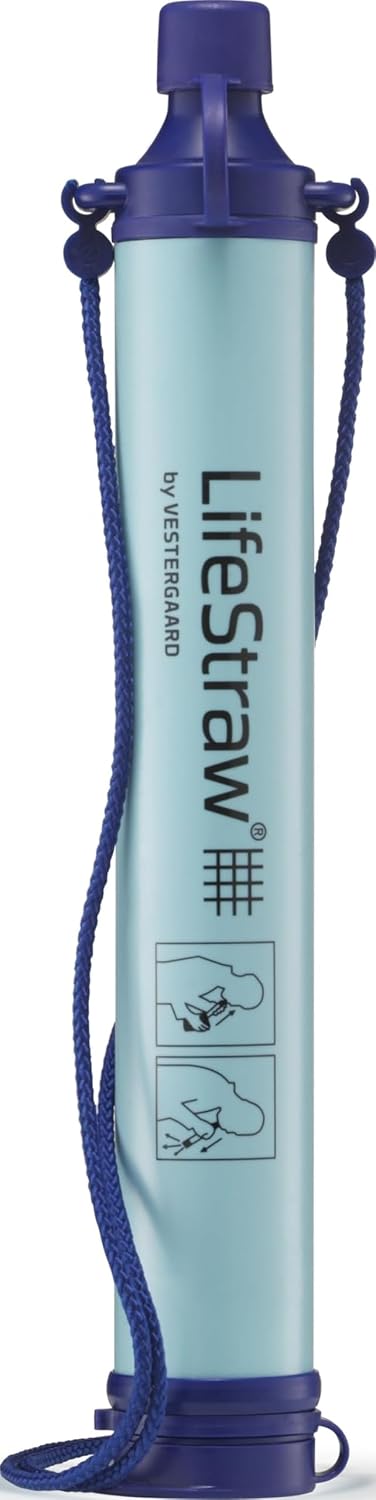
- Hydration in Freezing Temps: Your water filter may freeze and crack — rendering it useless. Pack a metal container for melting snow, iodine tablets as backup, and a wide-mouth stainless steel bottle you can place near a fire. Insulate your water storage against freezing during movement.
Advanced Level — What Serious Preppers Do Differently
Gear is the foundation. Skills and systems are what separate survivors from casualties. Here's what the most serious preppers are doing at an advanced level:
They practice in the cold. Sleeping outside in January with their actual kit — not just the YouTube version — is something that separates a real prepper from a gear collector. You need to know exactly how your sleeping bag performs, how long your fire starters take with numb hands, and whether your shelter can hold up in wind. Do a 24-hour cold weather shake-out exercise before you need it for real.
They have a navigation plan that works without electronics. Cold weather can drain battery-operated devices quickly. A quality baseplate compass, a laminated topographic map of your bug out route, and a practiced land navigation skill set are critical. GPS is a supplement, not a substitute. Know how to identify terrain features and navigate by landmark and compass bearing.
They have pre-positioned caches. A serious winter bug out plan includes pre-positioned supply caches along your route — buried below the frost line or stashed in weatherproof containers at rally points. Extra fuel, food, dry clothes, and medical supplies. If your primary bag is compromised or lost, you have a lifeline at your next waypoint.
They have a group coordination plan. Cold weather is harder on children, the elderly, and anyone not in peak physical condition. Serious preppers know the physical limits of every member of their group and build their plan around the most vulnerable. They assign roles, carry group gear distributed by ability, and have predetermined bail-out points if someone goes down.
They know the signs of cold injuries. Frostbite, hypothermia, and trench foot can develop before the victim is fully aware. Know the stages of hypothermia — uncontrolled shivering, mental confusion, loss of fine motor control, slurred speech. Know that stopping shivering is not a good sign — it means the body has stopped trying. Pack a first aid kit specifically updated for cold weather casualties, including chemical heat packs, moisture-wicking emergency blankets, and glucose tablets.

Your Action Plan — What to Do in the Next 30 Days
- Week 1 — Audit your current bag. Pull everything out. Remove anything cotton. Identify every gap against the cold weather checklist above. Make a priority list based on threat to life: shelter, warmth, fire, water, food.
- Week 2 — Invest in your layering system and sleep kit. This is where most of your money needs to go. A quality 0°F sleeping bag, a high R-value sleeping pad, and a complete wool or synthetic layering system for every family member. Don't cut corners here — this is the gear that keeps your family alive overnight.
- Week 3 — Build and test your fire kit. Go outside in cold conditions and build a fire using only what's in your kit. Time yourself. Note what fails or frustrates. Fix it before you need it for real. Practice fire-starting with gloves on.
- Week 4 — Run a 24-hour cold weather exercise. Sleep outside with your full kit. Cook a meal in the cold. Test your water system. Stress-test your shelter. Document what worked, what failed, and what you wish you had. Then fix the gaps immediately.
Self-reliance isn't a hobby — it's the most serious commitment you can make to your family's survival. The people who make it through the worst scenarios aren't the ones with the most money or the fanciest gear. They're the ones who prepared while it was still uncomfortable to think about, trained before they needed the skills, and refused to let complacency be the thing that killed their family. Winter is coming. Your bag needs to be ready before the first freeze — not after. There is no second chance to build the kit you should have had.
🛒 Essential Survival Gear
As an Amazon Associate I earn from qualifying purchases.