Cold Weather Bug Out Bag Additions That Will Keep You Alive This Winter

Why Your Summer Bug Out Bag Will Get You Killed in January
Most preppers build their bug out bag once and call it done. That's a fatal mistake when the temperature drops below freezing. Cold weather kills faster than almost any other natural threat — hypothermia can set in within 30 minutes in wet, windy conditions even at temperatures as mild as 40°F. If you're bugging out in winter with a bag optimized for summer, you are carrying a liability, not a lifeline. This article breaks down exactly what you need to add, why each item earns its weight, and how to configure your cold-weather loadout before the next storm hits.
Understanding Cold Weather Survival Priorities
Before you start stuffing gear into your pack, you need to understand what winter actually does to your body and your plan. Cold weather survival comes down to four compounding threats that don't exist — or don't matter as much — in warmer months.
- Heat loss: Your body loses heat through conduction, convection, radiation, and evaporation. Wind and moisture dramatically accelerate all four. In a winter bug out, everything you carry should address at least one of these vectors.
- Caloric demand: Your body burns significantly more calories in cold weather just maintaining core temperature. A person who needs 2,000 calories per day in summer may need 3,500 or more in winter while moving through snow with a loaded pack.
- Water access: Snow and ice look like water but require fuel and time to melt. Open water sources freeze. Dehydration sneaks up on you in cold weather because you don't feel as thirsty — but you're still losing moisture through respiration and exertion.
- Reduced daylight and navigation: In December, you may have as few as 9 hours of usable daylight in northern regions. Snow covers trails and landmarks. What takes 4 hours in summer can take 8 in winter, which changes your food, fuel, and shelter math entirely.
Every addition to your cold-weather bag should directly address one of these four threats. No luxury items. No redundant comfort gear. Every ounce has to earn its place.

The Cold Weather Add-On List: Specific Gear, Quantities, and Why Each Item Is Non-Negotiable
Here's how to upgrade your existing bug out bag for winter operations. These are additions and replacements — not a full bag rebuild. Assume you already have a baseline 72-hour bag and you're layering on winter-specific capability.
Layering System — Replace, Don't Add
Most people make the mistake of just throwing a heavy coat on top of their existing clothes. That's wrong. You need a functional three-layer system that you can adjust on the move.
- Base Layer: Merino wool or synthetic moisture-wicking long underwear — top and bottom. No cotton. Ever. Cotton kills in cold weather because it holds moisture against your skin and destroys your insulation value. A quality merino base layer weighs around 10–14 oz for a top and bottom set and packs down to the size of a softball.
- Mid Layer: A fleece jacket or synthetic insulated jacket rated to at least 100-weight fleece or equivalent. This is your primary heat retention layer. Look for something with a full zip so you can regulate temperature on the move and avoid sweat buildup. Budget option: a Carhartt fleece. High-end: Patagonia R2 or equivalent.
- Outer Shell: A waterproof, wind-resistant shell jacket and pants. Gore-Tex or equivalent laminate. This layer doesn't insulate — it blocks wind and moisture from destroying your mid and base layers. Weight target: under 2 lbs for jacket and pants combined.
Add to this: wool or synthetic glove liners plus an outer waterproof mitten shell, a wool or fleece balaclava, and wool blend boot socks rated for cold weather (at least 20% wool content). Carry two pairs of socks minimum. Wet feet in winter are a medical emergency waiting to happen.

Shelter and Insulation Upgrades
Your summer tarp or bivvy is not enough. Here's what to add or swap:
- Emergency bivvy rated to -10°F or lower: The SOL Escape Bivvy weighs 8.5 oz and reflects 70% of your body heat. This is a non-negotiable addition. At $30–$50, it costs less than a cheap dinner out.
- Sleeping bag swap: If your bag is rated for 40°F, it is useless below freezing when you factor in wind and wet. Replace it with a bag rated at least 0°F, or use a sleeping bag liner (adds 10–25°F of warmth) inside your existing bag. Synthetic fill is preferable to down in wet conditions — down loses nearly all insulation value when wet.
- Closed-cell foam sleeping pad: A 3/8-inch closed-cell foam pad provides R-value insulation between you and frozen ground. Inflatable pads can fail in extreme cold. A Thermarest Z-Lite Sol folds accordion-style and weighs 14 oz. This is mandatory. The ground will steal your body heat faster than cold air will.
- Tarp with guylines pre-rigged: A silnylon or polyester tarp in the 8x10 ft range gives you a quick-deploy shelter option. In winter, you'll use it to block wind on the windward side of your camp and channel heat from a fire back toward your sleeping area.
Fire Starting — Triple Redundancy Is the Minimum
In winter, fire is not a comfort item. It is a survival tool. Cold, wet, and wind-numbed fingers make starting fire dramatically harder. You need redundancy and you need materials that work when everything is wet.
- Primary: Windproof lighter (Zippo or Windmill-type torch lighter). Zippos require fluid which evaporates — carry a small bottle of lighter fluid separately.
- Secondary: Ferro rod with a 3/8-inch diameter minimum and a dedicated striker. Practice with gloves on. Most people have never done this and it shows.
- Tertiary: Waterproof matches in a sealed container.
- Tinder: Carry at least six commercial fire starters — Wetfire cubes, fatwood sticks, or petroleum-based tinder tabs. Don't rely on natural tinder in winter. Everything is wet, frozen, or covered in snow. Six cubes weighs almost nothing and takes up the space of a deck of cards.
Water and Cooking Additions
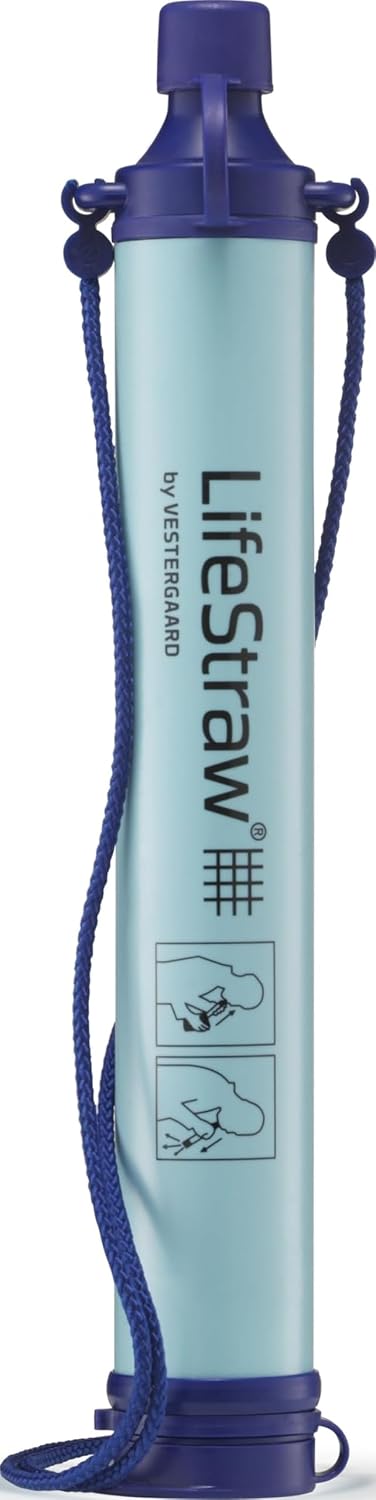
Your water filter may freeze and crack in sustained sub-zero temperatures, rendering it useless. Add the following:
- Metal water bottle (32 oz minimum): A stainless steel Nalgene or Klean Kanteen can be placed directly in coals or on a fire to melt snow and boil water. Plastic bottles crack in extreme cold. Insulated sleeves help prevent liquid from refreezing.
- Backup water purification tablets: Iodine or chlorine dioxide tablets don't freeze and work on melted snow water. Carry a minimum of 50 tablets.
- Compact backpacking stove with extra fuel: A canister stove (MSR Pocket Rocket or equivalent) with two 100g fuel canisters gives you the ability to melt snow and cook without burning through your fire-starting supplies. Keep fuel canisters warm — cold temperatures reduce canister pressure and performance. Store one inside your sleeping bag at night.
- Insulated food pouch or small pot: Cooking and eating hot food is a morale and caloric necessity in winter operations. Add high-calorie, quick-prep foods: instant oatmeal, ramen, freeze-dried meals, full-fat peanut butter, hard cheeses, and energy-dense bars rated for cold weather (standard chocolate bars become inedible bricks below freezing).
Common Cold Weather Bag Mistakes That Get People Killed
You can have all the right gear and still make critical errors in how you pack it, use it, or think about it. Here are the most common and most dangerous mistakes.
- Sweating through your base layer and not addressing it: When you move fast with a loaded pack, you sweat. That moisture accumulates in your base layer. The moment you stop moving, that wet layer pulls heat from your body at an accelerated rate. The fix: regulate pace to minimize sweating, vent your layers when you feel warmth building, and change into dry base layers before you stop for the night. Carry one spare base layer sealed in a waterproof bag.
- Packing your bag the same as summer: Heavy items low and close to your spine is the standard rule — but in winter, your sleep system goes in last (on top) because you'll need it before anything else when you make camp. Prioritize access to your shelter, fire kit, and insulation. Digging through a packed bag in a blizzard with numb hands is a scenario you want to avoid.
- Underestimating the caloric deficit: People pack the same food quantities they'd use in summer and run out of fuel — both in the stove and in their bodies — by day two. Add at least 1,000 extra calories per day to your winter food plan. High-fat, high-calorie items are your priority: nuts, peanut butter packets, coconut oil, olive oil (doesn't freeze solid), hard salami, and full-fat crackers.
- Not protecting your extremities early enough: Frostbite starts at the fingers, toes, ears, and nose. Most people wait until they feel cold before putting gloves on. By then, the damage may already be starting. Put your gloves on before you feel you need them. Keep hand warmers (chemical type, like HeatMax) in an accessible outer pocket — not buried in your bag.
- Relying on GPS without accounting for battery drain: Cold weather drains lithium batteries at roughly double the normal rate. Your GPS, headlamp, and radio all lose power faster. Carry lithium batteries, not alkaline, and keep spare batteries warm in an inner pocket. A paper map and baseplate compass are mandatory winter additions — no exceptions.
- Not waterproofing the bag contents: Snow gets in everywhere. A waterproof bag cover is useful but not sufficient. Line your bag interior with a heavy-duty contractor trash bag and use dry bags or zip-lock gallon bags for critical items: fire kit, electronics, extra clothing, and medical supplies. If your sleeping bag gets wet in a winter bug out, you are in a life-threatening situation.
Practice This Weekend
Pull out your bug out bag right now and do a cold-weather audit. Lay everything out on the floor and ask one question about each item: Does this work in wet, freezing conditions? If you can't answer yes with confidence, it gets replaced or supplemented. Then pack your bag with your winter additions and carry it for two hours in the coldest conditions you can find this weekend. You'll discover what's uncomfortable, what's inaccessible, and what's missing faster in two hours of real movement than in two months of planning on paper. Cold weather doesn't negotiate. Neither should your preparation.
🛒 Essential Survival Gear
As an Amazon Associate I earn from qualifying purchases.