Build Your 72-Hour Bug Out Bag From Scratch: The Complete No-Excuses Guide
The Reality Most People Ignore
In August 2005, residents of New Orleans had roughly 24 hours of warning before Katrina made landfall. Most people assumed they'd ride it out or that help would arrive quickly. FEMA's response took five days to become meaningful. In that window, people died waiting for someone else to save them. The families who made it out — the ones who left early with a plan and a packed bag — weren't lucky. They were prepared.
Here's the hard truth most survival content won't say out loud: the majority of bug out bags in America are either half-assembled, dangerously incomplete, or built around a fantasy scenario instead of real-world emergencies. People buy a tactical backpack, throw in some granola bars and a flashlight, and call it done. That bag will get them killed.
A genuine 72-hour bug out bag isn't a shopping list. It's a system — a carefully weighted, mission-specific survival platform that accounts for your body, your family, your terrain, and your actual threat environment. This guide is going to walk you through building one from scratch the right way. No filler. No fluff. Just the information that keeps your family alive when everything goes sideways.
The scenarios that require a bug out bag are more common than people want to admit: wildfires, flash floods, chemical spills, civil unrest, grid-down situations, and cascading infrastructure failures. FEMA recommends 72 hours of self-sufficiency as a minimum. Serious preppers treat it as the floor, not the ceiling. But you have to start somewhere — and that somewhere is right here.
Core Principles and Knowledge Breakdown
Before you buy a single piece of gear, you need to understand the foundational rules that separate a survival bag from a hiking bag. These principles govern every decision you make:

The Rule of Threes
Every serious prepper knows this framework by heart, and it should drive your packing priority:
- 3 minutes without air (or in icy water)
- 3 hours without shelter in a harsh environment
- 3 days without water
- 3 weeks without food
This tells you exactly what to pack first, second, and third. Shelter and warmth come before water. Water comes before food. Most people pack food first because it's comfortable and familiar. That's a mistake rooted in grocery store thinking, not survival thinking.
The Five Categories of Survival — every item in your bag must serve at least one of these functions:
- Shelter and warmth
- Water procurement and purification
- Fire starting
- Food and nutrition
- Navigation, signaling, and communication
Add first aid, self-defense, and documentation as critical support layers. If an item doesn't fit one of these categories, it doesn't make the cut — at least not until the essentials are locked in.
Weight discipline is survival discipline. A bag you can't carry is a bag that will kill you. The general rule is your bug out bag should not exceed 20-25% of your body weight for an able-bodied adult. For a 180-pound person, that's 36-45 pounds max. Most well-built bags come in between 25-35 pounds. Every ounce past that is a liability when you're moving fast through difficult terrain over 72 hours.
Now, let's build the bag layer by layer:
The Bag Itself: Choose a quality internal-frame pack in the 40-65 liter range. Brands like Mystery Ranch, 5.11 Tactical, and Condor offer rugged options at different price points. Avoid cheap Amazon knockoffs — the stitching and frame will fail under load. Look for MOLLE webbing for modular attachment, a padded hip belt to transfer weight off your shoulders, and a rain cover or waterproof lining.
Shelter and Warmth: Your shelter system must be deployable fast and work in wet conditions. Pack a lightweight 2-person emergency bivvy or a quality tarp (8x10 ft silnylon) with 50 feet of paracord. Add a mylar emergency blanket for backup. Include a sleeping bag rated 10-15 degrees below the coldest temperature you'd reasonably face, or a compact synthetic sleeping bag that retains warmth when wet. Wool or synthetic base layers, a rain jacket, and gloves round out your warmth system.
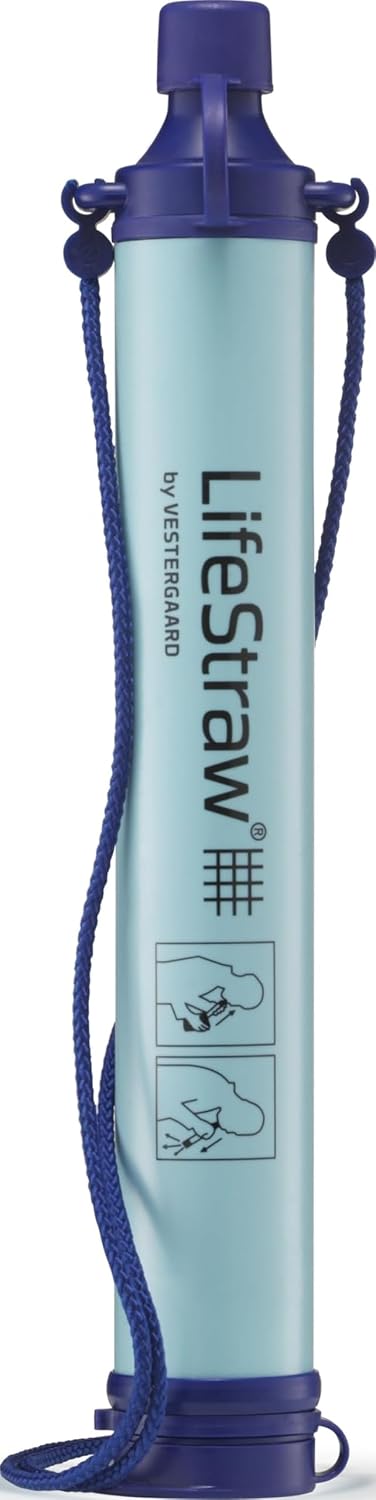
Water: Plan for a minimum of one liter per person per day as an absolute floor — two liters is better. Carry a 32oz Nalgene or Hydrapak as your primary container. Your purification system should include redundancy: a Sawyer Squeeze or LifeStraw for field filtration plus iodine tablets or purification drops as backup. A stainless steel single-wall water bottle allows you to boil water if needed — that's your third layer of purification redundancy.
Fire Starting: Three methods, always three. A Bic lighter as your primary (cheap, reliable, proven), a ferrocerium rod as your secondary (works wet, works cold, lasts for thousands of strikes), and waterproof matches in a sealed container as your backup. Add tinder — petroleum jelly cotton balls in a small sealed bag, fatwood chips, or commercial fire starters. Fire is shelter, fire is water purification, fire is warmth, fire is morale. It's non-negotiable.
Food: Target 1,500-2,000 calories per day in lightweight, calorie-dense foods. Think Mountain House freeze-dried meals, Clif bars, trail mix, beef jerky, peanut butter packets, and hard candy for quick energy. Pack enough for 72 hours plus a 25% buffer. A small backpacking stove and fuel canister — the MSR PocketRocket is a proven choice — allows hot meals that dramatically boost morale and core temperature in cold conditions.
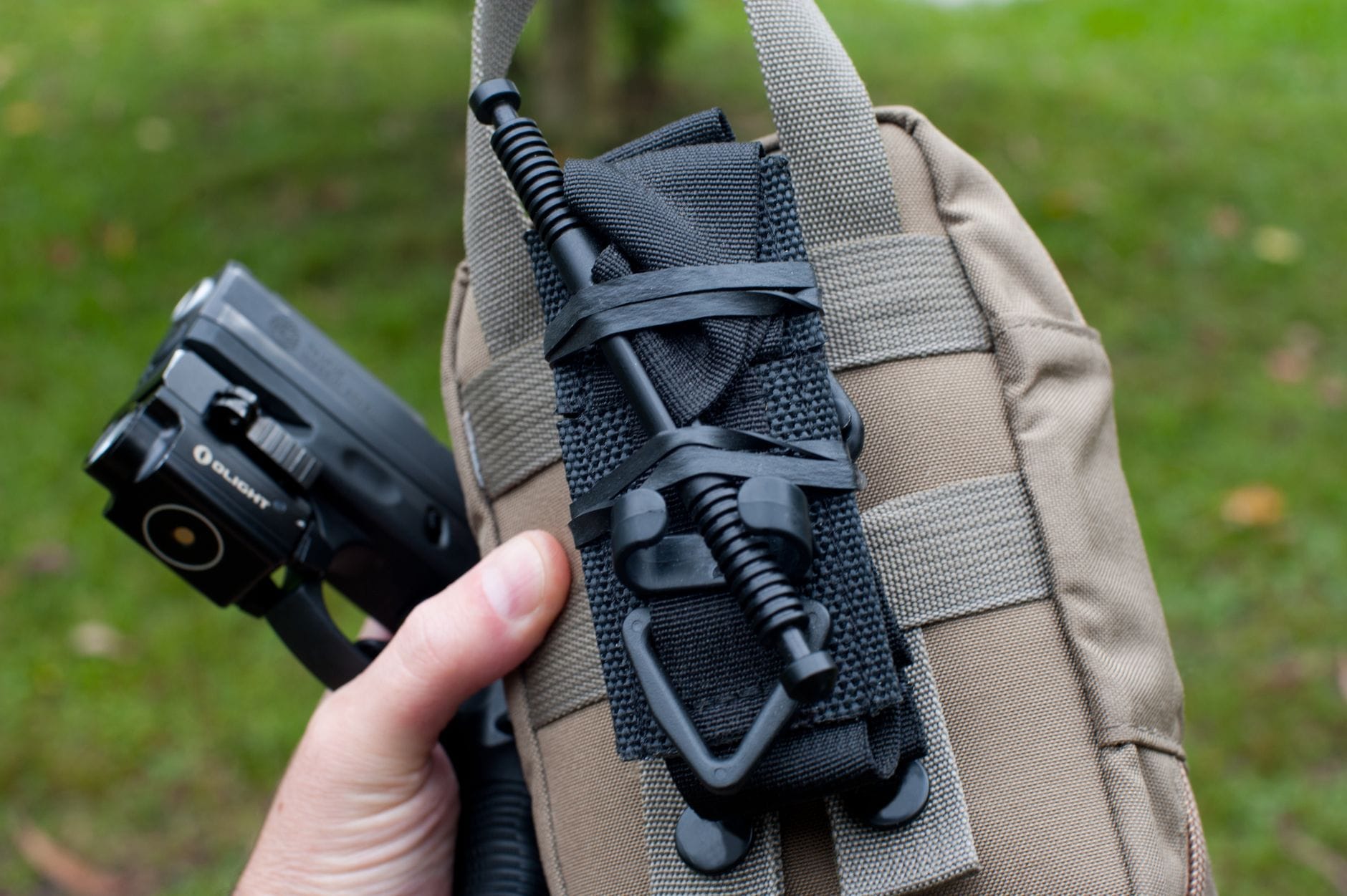
First Aid: Don't buy a pre-packaged kit and call it done. Build your own or supplement a base kit with: a CAT tourniquet, Israeli bandage, QuikClot gauze, nitrile gloves, SAM splint, ace bandage, blister treatment, any personal prescription medications (30-day supply minimum), OTC pain relievers, anti-diarrheal medication, and a first aid manual. Know how to use everything in it. A kit you don't understand is dead weight.
Navigation: A quality compass (Suunto A-10 or similar) and a laminated topographic map of your bug out routes and area. Do not rely on GPS or your phone. Electronics fail, batteries die, and signals disappear in emergencies. Practice map and compass navigation now, before you need it.
Documents and Cash: Sealed in a waterproof bag: photocopies of your ID, passport, insurance cards, deeds, and important contact numbers. Cash in small bills — ATMs go dark in emergencies. A USB drive with digital copies of critical documents is a smart addition.
Building This Into Your Prep Plan
A bug out bag doesn't exist in isolation. It's one component of a broader preparedness system, and it only works if you've done the planning to support it.
Define your bug out routes before you pack anything. Where are you going? Most preppers should have at least two pre-planned destinations — a primary and a secondary — within 72 hours of travel by foot if necessary. This could be a family member's property, a rural retreat, a campsite you've pre-staged, or a community you've established mutual aid with. Drive these routes. Walk segments of them. Identify water sources, chokepoints, and alternate paths.
Build bags for every member of your household. Children over 8 can carry age-appropriate bags (10% of body weight, max). Their bags carry their own water, snacks, a small first aid kit, and comfort items. Adults divide the critical gear between them. If one person goes down, the mission can still continue. Never keep all your critical supplies in a single bag.
Rotate your supplies quarterly. Food expires. Batteries corrode. Medications lose potency. Set a calendar reminder every three months to open your bag, inspect every item, rotate perishables into your regular supply, and replace anything that's aged out. A bag you built two years ago and never touched is a liability, not an asset.
Conduct bag shakedown exercises. Pack the bag. Put it on. Go for a 5-mile hike. Camp overnight with only what's in the bag. You will discover immediately what's missing, what's uncomfortable, what's excessive, and what you don't know how to use. This discomfort now is cheap compared to the alternative.

Advanced Level — What Serious Preppers Do Differently
Once your base bag is solid, experienced preppers layer in capabilities that separate adequate from exceptional:
- Communications: A Baofeng UV-5R handheld radio for GMRS and ham frequencies (get your Technician license — it's a weekend of study). A hand-crank emergency weather radio for one-way monitoring. The ability to communicate with your group and receive emergency broadcasts is a genuine force multiplier.
- Self-defense: This is a personal and legal decision that varies by location and circumstance. At minimum, a quality fixed-blade knife (Mora Companion or similar) is both a survival tool and a last-resort defensive option. Many serious preppers include a legally carried sidearm with two spare magazines. Know your state laws. Train regularly.
- Redundant lighting: A headlamp as your primary (Black Diamond Spot is excellent), a compact flashlight as backup, and glow sticks for signaling and hands-free area lighting. All with fresh lithium batteries that perform in cold weather.
- Trauma and medical upgrade: Take a Stop the Bleed course and a Wilderness First Aid course. Skills outlast any piece of gear in your bag.
- Pre-positioned caches: Advanced preppers have secondary supply caches buried or stored along their bug out routes — sealed buckets with additional food, water purification, ammo, and fuel. If your primary bag is compromised or stolen, you're not starting from zero.
- Physical conditioning: No piece of gear compensates for being unable to carry your bag 20 miles over difficult terrain. Start a fitness program that includes rucking — walking with a loaded pack. It's the most specific conditioning you can do for bug out readiness.
Your Action Plan — What to Do in the Next 30 Days
Stop reading guides and start building. Here's a concrete 30-day timeline:
- Days 1-3: Define your two bug out destinations and drive both routes. Identify water sources and chokepoints on a printed topographic map.
- Days 4-7: Audit what you already own. Check every closet, drawer, and garage for usable gear. You likely already own more than you think.
- Days 8-14: Purchase your bag and the five critical categories: shelter, water, fire, food (72-hour supply), and first aid. Set a realistic budget — a functional bag can be built for $150-$300 if you're strategic.
- Days 15-20: Assemble and pack the bag. Weigh it. Put it on. Adjust. Pack your documents in a waterproof bag. Add cash.
- Days 21-25: Conduct your first shakedown — a one-night camp using only what's in the bag. Document what failed or was missing.
- Days 26-30: Fix the deficiencies. Schedule your quarterly rotation reminder. Sign up for a Stop the Bleed or Wilderness First Aid course. Brief every member of your household on the contents and the plan.
Thirty days from right now, you can have a functional, field-tested 72-hour bug out bag and a plan to go with it. That's not a small thing — that's the difference between being a victim and being a survivor.
The bottom line: No government agency, no relief organization, and no neighbor is coming to save your family in the first 72 hours of a serious emergency. That window belongs to you. A well-built bug out bag, a practiced plan, and the mindset to execute under pressure are the greatest gifts you can give the people depending on you. Build the bag. Learn the skills. Make the plan. Because when the moment comes — and for many of us, it will — there will be no time to wish you had prepared. There will only be the consequences of whether you did.
🛒 Essential Survival Gear
As an Amazon Associate I earn from qualifying purchases.