Build a Get Home Bag That Actually Gets You Home: A Commuter's Survival Blueprint

What a Get Home Bag Is — And Why Your Car Kit Won't Cut It
A get home bag (GHB) is not a bug out bag. It is not a camping kit. It is one thing: a purpose-built pack that gets you from your workplace back to your home when every other option has failed. Grid down. Roads locked. No Uber. No cell service. The average American commutes 27 miles each way. That's a full day of walking under stress, potentially in dress shoes, through unfamiliar urban terrain, with no food, no water, and no plan. A GHB fixes that. This is not a hobby project — it is a calculated response to a real and statistically likely disruption. Earthquakes, infrastructure attacks, civil unrest, EMP events, and major grid failures don't announce themselves. Build this bag now, keep it at your office or in your vehicle, and when everything goes sideways, you walk out the door with a plan.
Understanding the Core Mission: Get Home, Not Survive Forever
The single biggest mistake people make when building a GHB is treating it like a bug out bag or a 72-hour kit. Those have different objectives. Your GHB has one job — cover the distance between work and home, typically 10 to 35 miles, over 8 to 24 hours of travel. That framing changes everything about what you pack.
Start by calculating your actual numbers. Open a map right now and plot three separate walking routes from your workplace to your home. Not three variations of the same highway — three genuinely different paths using side streets, rail trails, and alternate corridors. Identify chokepoints like bridges, tunnels, and major intersections that could be blocked or dangerous. Measure the mileage of each route. An average adult in moderate shape covers 2.5 to 3.5 miles per hour on flat terrain. Factor in terrain, weather, and physical condition and plan conservatively for 2 miles per hour. A 20-mile trip is a 10-hour walk. Your bag needs to support that and nothing more.
Think in terms of five categories: mobility, hydration, calories, communication, and medical. Everything in the bag serves one of those functions. If it doesn't, cut it. Weight is your enemy on a forced march. Target a total bag weight of 15 to 20 pounds maximum, lighter if you're not conditioned for rucking. A heavy bag that slows you down and destroys your feet is worse than no bag at all.
The bag itself matters. Choose a low-profile, non-tactical looking pack in a neutral color — gray, navy, or dark green. A 25 to 35 liter capacity is the sweet spot. You want enough volume without advertising that you're carrying gear. In an urban emergency, looking like a tactical operator with a MOLLE-covered assault pack makes you a target. Looking like someone carrying a work bag makes you invisible.

Step-by-Step Build: What Goes In and Exactly How Much
Build your GHB in layers, from highest priority to lowest. If you had to ditch gear mid-route, the most critical items survive. Here is the exact loadout, built around a 20-mile worst-case commute.
- Footwear and Mobility (Non-Negotiable)This is your most critical category and the one most people skip. Dress shoes and heels will cripple you within 3 miles on pavement. Keep a pair of broken-in, low-profile trail runners or sturdy walking shoes in your bag — specifically shoes you have already worn for at least 20 to 30 miles so there are zero break-in surprises. Add two pairs of moisture-wicking wool or synthetic blend socks, size appropriate. Wool is preferred — it manages moisture and reduces blister risk significantly better than cotton. Include a small blister kit: moleskin pre-cut pieces, medical tape, and a needle for drainage. Your feet are your engine. Protect them first.
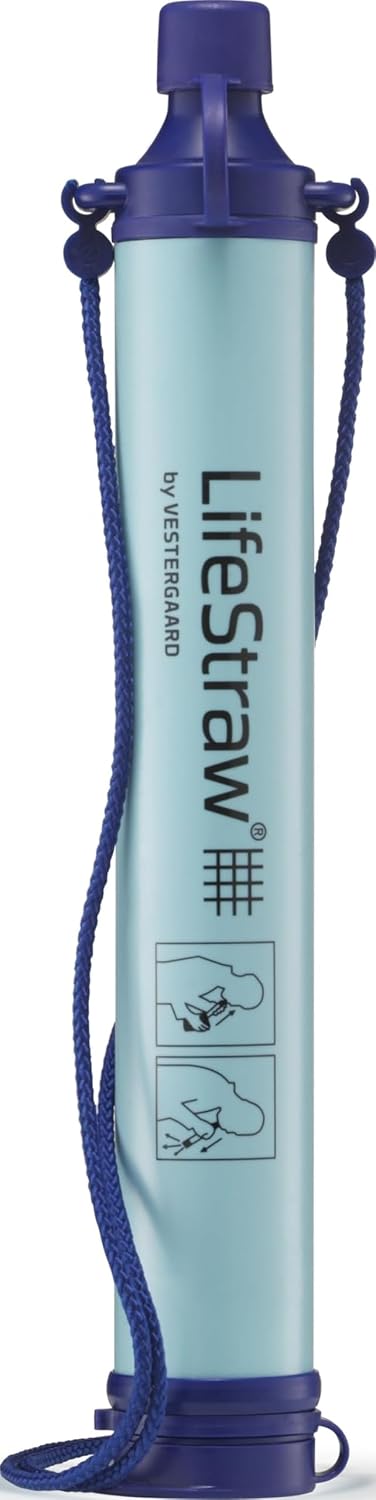
- Hydration: 2 Liters Minimum Plus FiltrationCarry a 2-liter hydration bladder or two 32-ounce Nalgene bottles filled with clean water before you leave home each day. That covers roughly the first 6 to 8 hours depending on heat and exertion. Beyond that, you need the ability to source and purify water on the move. Include a Sawyer Squeeze or LifeStraw Go filter — the Sawyer filters down to 0.1 microns and weighs 3 ounces. Back it up with 10 water purification tablets (iodine or chlorine dioxide) for speed when you don't have time to filter. Know where water sources are along your routes: public parks, streams, gas stations in the early hours of a crisis. Map them in advance.
- Calories: High Density, Zero Prep RequiredYou need 300 to 500 calories every 2 to 3 hours of hard exertion. For a 10 to 12 hour route, plan for 1,500 to 2,000 calories total. Do not pack food that requires cooking, water, or refrigeration. Pack: four Clif Bars or equivalent (approximately 240 calories each), two packs of Justin's almond butter single-serve packets (190 calories each), one 2-ounce bag of jerky (160 calories), and one small bag of mixed nuts (400 calories per 3-ounce bag). That totals roughly 1,900 calories, weighs under 2 pounds, and requires zero preparation. Rotate this food every 90 days.
- Navigation: Paper Maps and a CompassYour phone will likely be dead, network-dependent, or simply unreliable in a grid-down event. Carry a printed, laminated map of your commute zone — your home county at minimum, ideally a 1:24,000 scale topographic map if you have rural stretches. Add a small baseplate compass like the Suunto A-10 or Silva Ranger. Practice using both together before you need them. Also carry a small notebook and two pens. Information — road conditions, contact numbers, observations — has survival value.
- Communication and SignalingInclude a battery-powered or hand-crank emergency radio (Midland ER310 weighs 9.6 ounces and gets AM/FM/NOAA weather). This lets you monitor official broadcasts as you walk. Add a fully charged portable battery bank with a minimum 10,000 mAh capacity — enough to charge a phone two to three times. Carry the appropriate cable for your device. A loud whistle (Fox 40 or equivalent) costs nothing and weighs nothing but can signal for help in an urban collapse scenario. Include a small notepad with pre-written contact numbers: home, family cell phones, and a predetermined out-of-area contact.
- First Aid: Focused and FunctionalSkip the giant all-purpose kits that add bulk and false confidence. Your GHB first aid should focus on the four most likely commute emergencies: blisters, bleeding, sprains, and medication. Pack: 10 assorted adhesive bandages, 1 Israeli-style compression bandage, medical tape (1-inch roll), 4 packets of QuikClot gauze or equivalent hemostatic agent, 6 ibuprofen tablets, 6 antihistamine tablets, personal prescription medication (7-day supply minimum), and nitrile gloves (2 pairs). If you know how to use a tourniquet — and you should — include a CAT or SOFTT-W tourniquet and know how to apply it in under 60 seconds.
- Light, Fire, and Basic ToolsInclude a headlamp with fresh lithium batteries — not alkaline — because lithium batteries perform in cold and store for up to 10 years. The Black Diamond Spot 400 is an excellent option at 3.1 ounces. Pack two disposable lighters and a backup ferrocerium rod. Add a fixed-blade knife of 3 to 4 inches or a quality folding knife — this is a tool, not a weapon, and has hundreds of practical applications. A 550 paracord bracelet adds 8 to 12 feet of multi-use cordage at nearly zero weight. A compact emergency mylar blanket (the heavier SOL Emergency Bivvy, not the flimsy foil sheets) rounds out this category.
- Cash and DocumentationCarry $100 in small bills — ones, fives, and tens. ATMs will be offline in a grid failure. Cash buys water, food, a ride, information, and goodwill. Keep a laminated card with your emergency contacts, blood type, allergies, and medical conditions. Include a photocopy of your ID. Store these in a waterproof zip-lock bag inside the pack.
Critical Mistakes That Will Get You Killed (Or Just Stranded)
- Building it once and forgetting it. A GHB is a living system, not a set-it-and-forget-it box. Food expires. Batteries drain. Seasons change — the gear appropriate for July is wrong for January. Set a calendar reminder every 90 days to open the bag, rotate consumables, check batteries, and adjust for current weather. If you live somewhere with harsh winters, your bag needs gloves, a wool hat, and a heavier insulating layer added from October through March.
- Packing gear you've never used. If the first time you use your compass is during a crisis, you don't have a compass — you have dead weight. Every piece of kit in your bag should be something you have practiced with in a non-emergency setting. Buy your headlamp, turn it on, wear it. Take a weekend walk in your trail runners. Know your filter. The gear is only as good as your ability to use it under stress.
- No planned routes. The bag is half the equation. The route is the other half. A bag without a planned route means you'll spend the first critical hour of a crisis wandering. Plan and walk all three routes before you need them. You need to know which bridges have pedestrian access, where the railroad tracks run, which neighborhoods to avoid at night, and where water sources are. This is intelligence, and it takes an afternoon to gather.
- Overpacking to feel prepared. A 40-pound GHB signals anxiety, not preparedness. Extra weight destroys your pace, burns more calories, and increases injury risk exponentially over long distances. Cut ruthlessly. Every item earns its place by serving the core mission. If you're debating whether something should go in, it probably shouldn't.
- Leaving the bag in your car — then parking offsite. Your bag does you zero good if it's a mile from where you're standing when the event happens. The bag lives where you work. Under your desk, in a locker, in a secure drawer. Not in a parking garage three blocks away that you may not be able to access.
- No communication plan with family. A GHB is one piece of a larger family emergency plan. Your household needs a predetermined rally point, an out-of-area contact number everyone has memorized, and an agreement on what actions each person takes if communications go down. A bag without a plan creates individual survivors instead of a family that gets through it together.

Your Weekend Assignment
This weekend, do three things. First, walk one of your planned home routes — all of it, or at least the first 5 miles — in the shoes you'd actually be wearing during a commute event. Note what you see, where water is, where problems are. Second, lay out everything currently in your "emergency" bag (if you have one) on your kitchen table and cut anything that doesn't serve the five core categories. Third, buy and pack the two most critical items you're currently missing based on this guide. Don't try to build the perfect bag in one day. Build a functional bag now and improve it every 90 days. The person who walks out with an 80% bag beats the person still shopping for the perfect one every time.
🛒 Essential Survival Gear
As an Amazon Associate I earn from qualifying purchases.