Bug Out Bag Weight — How Light Is Light Enough

Why Most People Get This Wrong
The average prepper's bug out bag weighs between 45 and 65 pounds. That's not a survival kit — that's a liability. Studies from military load-bearing research consistently show that carrying more than 30% of your body weight causes measurable degradation in speed, decision-making, and physical endurance within the first two hours. When your life depends on covering ground fast, that bloated bag will kill you slower than any threat you're running from.
The Most Common Bug Out Bag Weight Mistakes
Before you can fix the problem, you need to understand how most preppers end up buried under 60 pounds of gear they'll never use.
- Packing for every scenario simultaneously. A bug out bag is not a mobile warehouse. It is a 72-hour lifeline designed to get you from Point A to Point B. When you start packing for a two-week wilderness expedition AND urban grid-down AND nuclear fallout in the same bag, you've already failed.
- Buying budget gear that weighs twice what premium gear does. A $15 rain poncho weighs 14 oz. A quality silnylon tarp shelter system weighs 11 oz and outperforms it in every category. Cheap gear costs you weight. Weight costs you distance. Distance costs you your life.
- Ignoring the "comfort creep" trap. It starts with one extra pair of socks. Then a backup knife. Then a camp pillow. Then a full-size cutting board. Before you realize it, you've packed comfort instead of capability.
- Never actually wearing the packed bag. Most preppers pack their bag, weigh it, nod approvingly, and put it back in the closet. They have no idea what 52 pounds feels like after 6 miles of broken terrain. Pack it. Wear it. Walk it. Your body will tell you the truth your spreadsheet won't.
- Duplicating items unnecessarily. Three fire-starting methods is smart redundancy. Three lighters, two ferro rods, a magnesium block, waterproof matches, AND a torch lighter is dead weight with a survival story attached to it. Know the difference between functional redundancy and anxiety packing.
- Ignoring water weight math. One liter of water weighs 2.2 pounds. Many preppers pack three liters minimum plus a filter. That's over 6.5 pounds in water-related weight alone before you've touched food, shelter, or a first aid kit. Understand filtration. Carry less water, carry better filtration.

The Fundamentals — How to Calculate and Hit Your Target Weight
Here is the framework. Apply it without compromise.
Step 1: Know Your Personal Weight Ceiling
Your bug out bag should weigh no more than 15% to 20% of your body weight for sustained movement over multiple days. Military special operations units target the 30% ceiling for short-duration missions with full support infrastructure. You have none of that. Use 15-20%.
- 150 lb person: target bag weight = 22–30 lbs
- 175 lb person: target bag weight = 26–35 lbs
- 200 lb person: target bag weight = 30–40 lbs
These are maximums. Lighter is always better. If you can hit 20 lbs fully loaded and functional, you're ahead of 95% of preppers.

Step 2: The Big Four Weight Categories
Every ounce in your bag falls into one of four categories. Audit each one ruthlessly.
- Shelter and sleep system — This is typically your heaviest category. Target: under 3 lbs total including a bivy, tarp, or ultralight tent and a sleeping bag or emergency quilt rated to your expected low temperature.
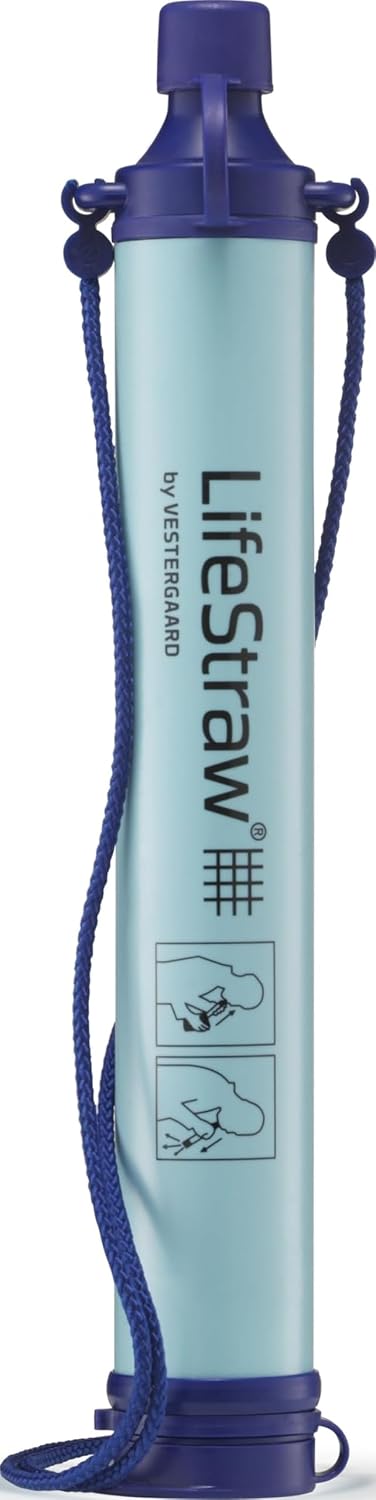
- Water procurement and purification — Carry 1–1.5 liters on your person. Include one primary filter (Sawyer Squeeze at 3 oz or similar), one chemical backup (Aquatabs, near zero weight). Total water system target: under 8 oz excluding water you're carrying.
- Food and cooking — 72-hour food supply at roughly 2,000 calories per day. Calorie-dense options: Mountain House freeze-dried pouches (approx 4–5 oz per 500-calorie serving), bars like Mainstay 3600 (weight under 1 lb for three days at reduced ration), or DIY trail mix and jerky. Target: under 4 lbs for 72 hours of food. Skip the stove if weight is critical — cold rations save weight and eliminate fire discipline concerns.
- Tools, first aid, and clothing — This is where comfort creep destroys people. Keep combined weight under 8 lbs.
Step 3: Weigh Everything — No Exceptions
Get a digital kitchen scale. Weigh every single item before it goes in the bag. Log it. Total it. If you're over your ceiling, something comes out. There is no negotiation. The scale is objective. Your attachment to your gear is not.
What You Need — The Core Bug Out Bag Checklist at Target Weights
This is a functional 72-hour bug out loadout for one person targeting 25 lbs total packed weight. Adjust for your specific environment and threat scenario.
- Shelter: Lightweight silnylon tarp (6x8 ft, approx 15 oz) + bivy sack (approx 12 oz) — total: 1 lb 11 oz
- Sleep: Ultralight sleeping quilt or emergency SOL Escape Bivvy (rated to 30°F) — approx 1 lb 8 oz
- Water carry: 1.5L soft flask or Nalgene — approx 2 oz empty
- Water filtration: Sawyer Squeeze Filter (3 oz) + 20 Aquatabs (near zero oz)
- Food: 6 x 500-calorie freeze-dried pouches or calorie-equivalent bars — approx 2 lbs 8 oz
- Fire: BIC lighter (1 oz) + ferro rod with striker (1.5 oz) + petroleum jelly cotton balls in a waterproof case (1 oz)
- Navigation: USGS topo map of your area (printed and laminated, 2 oz) + baseplate compass such as Suunto A-10 (1.6 oz) — no batteries, no failure
- Knife: Fixed blade, full tang, 4–5 inch blade. Mora Companion Heavy Duty (4.1 oz) is proven, sub-$20, and performs above its price in every survival application
- First aid: Compact IFAK — tourniquet (CAT Gen 7, 2.7 oz), chest seals (2 oz), 4x4 gauze (2 oz), Israeli bandage (3.5 oz), QuikClot gauze (2 oz), nitrile gloves (1 oz), trauma shears (1 oz), SAM splint (3.5 oz), blister kit (1 oz) — total: approx 1 lb 3 oz
- Light: Headlamp (Black Diamond Spot 400, 3.2 oz) with 2 sets spare batteries
- Cordage: 50 ft of 550 paracord (4.5 oz)
- Clothing (in bag): One moisture-wicking base layer top and bottom, one merino wool or synthetic midlayer, rain shell jacket. Wear your boots, pack your layers. Target: under 2 lbs
- Communication: Baofeng UV-5R or similar handheld ham radio (4 oz) + pre-programmed emergency frequencies + a written contact and rally plan
- Cash: $200–$500 in small bills. Weighs almost nothing. Worth everything when digital systems are down.
- Documents: Waterproof pouch with copies of ID, medical records, insurance, emergency contacts — approx 2 oz
- Bag itself: A quality 30–40L pack like Osprey Talon 33 or Mystery Ranch Coulee 30 runs 2–3 lbs empty. Do not carry a 5-lb bag to save weight on gear.
Advanced Tactics — What Separates the Truly Prepared
Getting to 25 lbs is step one. Surviving with 25 lbs is step two. Here's what elite-level preppers do differently.
- Train under load. Ruck march minimum 5 miles per week with your packed bag. Track your pace, your hotspots, your fatigue curve. The only way to know if your system works is to stress-test it before you need it.
- Implement a seasonal bag audit. Your 72-hour kit for a July bug out in the Southeast is not the same as a January kit in the Rockies. Swap your sleep system and clothing layers quarterly. A summer bag with a 35°F quilt in a November emergency is a death sentence.
- Use your clothing as your first layer of gear. Wear your most critical and heaviest items on your body — boots, belt kit, base layers, rain shell in a hip pocket. What's on your body doesn't count toward your bag weight but counts toward your capability. A quality chest rig or battle belt can carry your comms, knife, tourniquet, and spare magazines without adding a pound to your pack.
- Pre-cache supplies along your route. A properly prepared prepper doesn't carry everything they need for 30 days. They carry what they need to reach their first cache — food, water, ammo, medical — staged along pre-planned bug out routes. This principle alone can cut your starting load by 20%.
- Know your terrain, not just your gear. A map and compass proficiency test is free. A GPS unit with dead batteries is a paperweight. Spend two hours learning to shoot an azimuth and triangulate your position on a topo map. That skill weighs zero ounces and is worth more than any piece of gear in your pack.
- Build a tiered system. Tier 1: On your body at all times — knife, lighter, tourniquet, phone. Tier 2: Your 72-hour bag. Tier 3: Your vehicle or secondary cache. Know which tier handles which scenario. A grid-down evacuation and a sudden urban threat do not call for the same response.
- Account for group dynamics. If you're bugging out with a family or group, distribute weight by capability. Children carry their own water and snacks starting at age 8–10. Adults share communal gear. One person doesn't carry the tent AND the food AND the medical kit. Distribute, coordinate, rehearse.
The Bottom Line — Action Steps to Take This Week
Reading this article changes nothing. Doing the following changes everything.
- Day 1: Pull your bug out bag out of storage. Dump everything on the floor. Weigh each item on a digital kitchen scale. Write down every number. Get an honest total. No rounding down.
- Day 2: Calculate your personal weight ceiling using the 15–20% of bodyweight formula. Compare your current total to your ceiling. If you're over, identify every item over 4 oz that serves a redundant or non-critical function.
- Day 3: Cut the deadweight. Remove anything that doesn't serve a life-sustaining function within a 72-hour window. Box it, don't throw it — it may belong in a cache or vehicle bag instead.
- Day 4: Identify your top three heaviest items. Research ultralight alternatives. The investment in a lighter shelter, sleep system, or pack will repay itself on the first mile you have to cover under stress.
- Day 5: Pack the revised bag. Put it on. Walk 3 miles. Note every discomfort, every hotspot, every item you never reached for. Make adjustments. Repeat until the bag feels like part of your body, not a burden on it.
- Day 6: Plan and walk or drive your primary and secondary bug out routes. Identify water sources, cache points, rally points. Update your map. A perfect bag with no route plan is just expensive camping gear.
- Day 7: Brief your household or group. Everyone who might be bugging out with you needs to know the plan, the routes, the rally points, and their individual load. Preparedness that only lives in your head dies with you if you're separated.
Your bug out bag is not a trophy. It is a tool. Tools that are too heavy to use are no tools at all. Strip it down, build it back up with intention, train under load, and know your routes. The goal is not the heaviest bag — it's the fastest feet and the clearest head when everything around you is falling apart.
Nobody is coming to save you — build the skills, carry only what matters, and move like your life depends on it, because it does.
🛒 Essential Survival Gear
As an Amazon Associate I earn from qualifying purchases.