Bug Out Bag Weight: How Light Is Light Enough to Save Your Life

The Weight That Could Kill You
Picture this: it's 2 AM, a wildfire is cresting the ridge three miles from your home, or the grid just went dark across four states and your neighborhood is already turning ugly. You've got fifteen minutes to get your family out the door and moving. You grab your bug out bag — the one you packed six months ago — hoist it onto your shoulders, and feel your knees buckle. Sixty-two pounds. You built it to handle everything. But right now, it's handling you.
This is the scenario that exposes the single most dangerous mistake in the prepper community: confusing preparedness weight with operational weight. The bag that impresses your friends at a gear meetup might be the same bag that gets your family killed when you need to cover twelve miles on foot in deteriorating conditions. This isn't about minimalism for its own sake. This is about staying mobile, staying functional, and staying alive long enough for your preps to matter.
The Reality Most People Ignore
The prepper community has a gear problem. Not a gear shortage — a gear obsession. Spend thirty minutes on any survival forum and you'll find threads arguing over which brand of paracord is superior, debates about whether you need both a fixed blade and a folder, and pack lists that read like a military quartermaster's requisition form. Meanwhile, the fundamental physics of human movement under load are being completely ignored.
Here's the hard truth backed by military research and wilderness medicine: your pack should weigh no more than 20–25% of your lean body mass for sustained movement over multiple days. For a 180-pound person, that's 36–45 pounds absolute maximum — and that's for a trained individual. For the average American adult who isn't running rucksack training three times a week, even 35 pounds becomes a serious liability after mile five. At that point, your pace slows, your judgment degrades, your joints take punishment, and your injury risk skyrockets.
Consider what happened to thousands of refugees during the 2005 Hurricane Katrina evacuation, or what was documented during the 2018 Camp Fire evacuations in Paradise, California. People abandoned gear, furniture, and supplies on the roadside because they couldn't move it. Mobility was survival. Everything else was weight. The folks who got out were the ones who moved fast and moved smart — not the ones who packed for every contingency.
There's also a secondary reality most people refuse to confront: you are not as fit as you think you are. The pack you tested in your backyard for twenty minutes feels very different at hour seven on a gravel road with a scared family in tow. Your real operational capacity — not your aspirational capacity — is what your bug out bag needs to be designed around.

Core Principles and Knowledge Breakdown
Getting bug out bag weight right isn't about stripping your kit down to a mylar blanket and a protein bar. It's about applying a ruthless decision framework to every single item. Here are the core principles that serious preppers operate by:
The Rule of Three Utility Check
Before anything goes in your bag, ask: does this item serve at least three distinct purposes? A quality fixed-blade knife can process food, build shelter, provide self-defense capability, and assist in first aid. It earns its weight. A dedicated garlic press does not. Apply this filter without mercy.
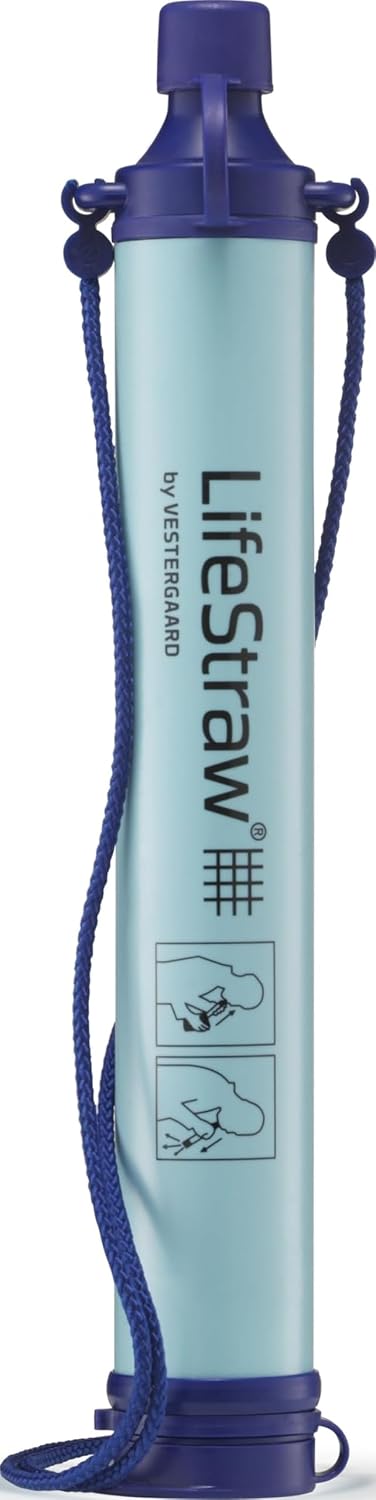
- Water: You need the means to source and purify water — not necessarily to carry all of it. A quality filter like the Sawyer Squeeze weighs 3 ounces and eliminates the need to haul multiple liters from the start. Carry one liter to hydrate immediately; plan to resupply on the move.
- Fire: A Bic lighter, a ferrocerium rod, and waterproof tinder. Combined weight under four ounces. Fire solves warmth, water purification, signaling, and morale simultaneously.
- Shelter: A quality bivy or emergency tarp — not a four-season mountaineering tent. The difference in weight can be eight to twelve pounds. Know how to use what you carry.
- Food: Calorie-dense, lightweight options. Think mountain house meals, bars, nuts, and jerky. Target 2,000–2,500 calories per person per day for three days. Keep this layer under five pounds.
- Navigation: A good topographic map of your bug out routes and a baseplate compass. Combined weight: under four ounces. GPS is supplementary — not primary.
- First Aid: A compact, trauma-capable kit. Tourniquet, chest seals, hemostatic gauze, Israeli bandages, basic medications. Not a full hospital bag. Under two pounds if built intelligently.
- Self Defense: This is a personal and legal decision, but factor it into your weight budget honestly. A firearm and minimal ammunition adds significant weight — know exactly what you're carrying and why.
The target weight for a three-day bug out bag built on these principles should land between 25 and 35 pounds for most adults — and that includes water and food. If you're significantly over that, something non-essential is in the bag.

Building This Into Your Prep Plan
Understanding the principles is one thing. Actually building a weight-disciplined bag is another. Here's how to approach this systematically rather than emotionally.
Start with a full audit. Empty your current bug out bag completely. Every item goes on a table. Weigh each item individually with a kitchen scale and record it in a spreadsheet or notebook. Most people are genuinely shocked at what they find — duplicate items, gear that's never been used, items that were packed because they were available rather than because they were essential.
Apply the category budget method. Assign maximum weight budgets to each category before you start repacking. Water management: 2 lbs. Shelter: 4 lbs. Food: 5 lbs. Fire: 0.5 lbs. First aid: 2 lbs. Navigation: 0.5 lbs. Clothing layers: 4 lbs. Everything else combined: 3 lbs. That gets you to a 21-pound baseline before water weight. Add a liter of water and you're at roughly 23 pounds. That's a functional, mobile kit.
Test your bag over distance. Pack your bag at your target weight and walk five miles with it. Then ten. Take notes. Where does it hurt? What did you reach for that wasn't there? What did you carry that you never touched? Real-world testing is irreplaceable. The field will tell you what spreadsheets cannot.
Consider family distribution. If you're bugging out as a family unit, the load doesn't all fall on one person. Healthy adults can carry their individual water and personal items. Children over 8 can carry a small pack with their own snacks, a light layer, and their personal comfort item. This dramatically changes your family's collective carrying capacity.
Advanced Level — What Serious Preppers Do Differently
Once you've got the basics right, there's a level of refinement that separates the truly prepared from the gear collectors. Here's what the serious, long-term preppers understand that most people don't.
They think in systems, not items. Your bug out bag is one component of a layered system. Your vehicle is mobile storage. Your bug out location is a resupply point. Your route caches are your logistics chain. When you understand this, you stop trying to cram a year's worth of survival into a single pack. You carry what you need to get to your next resupply point — and nothing more.
They invest in skills over gear. A person who can build a debris shelter, navigate by stars, identify local edible plants, and purify water through multiple methods needs far less gear than someone who hasn't developed those skills. Every skill you develop is weight you don't have to carry. A basic wilderness survival course, a land navigation class, and a wilderness first aid certification are investments that reduce your pack weight while increasing your survival probability.
They train with their kit regularly. Serious preppers conduct quarterly pack-out drills. They rotate food and medications. They do overnight campouts with their bug out bags and nothing supplemental. They hike in their boots before they need those boots to carry them twenty miles. Physical conditioning is a prep — arguably the most important one — and it directly expands your operational weight tolerance.
They maintain seasonal and scenario-specific loadouts. A January bug out bag in Minnesota looks very different from an August bag in the same location. Carrying heavy cold weather gear in summer isn't preparedness — it's excess weight. Maintain a modular system where your core kit stays constant and seasonal or scenario-specific items are added and removed intentionally.
They weigh their food and water honestly. Water is 2.2 pounds per liter. If you're carrying three liters, that's 6.6 pounds of water before you've packed anything else. Serious preppers plan their routes around water sources, carry the filtration capability to use those sources, and minimize the starting water weight accordingly. Same with food — calorie density per ounce is a metric worth knowing. Almonds deliver roughly 160 calories per ounce. Most granola bars deliver half that. The math matters.
Your Action Plan — What to Do in the Next 30 Days
Stop reading about it. Start doing it. Here's your thirty-day bug out bag weight optimization plan:
- Days 1–3: Conduct a full bag audit. Empty everything, weigh every item, record the data. Identify your current total pack weight and compare it against the 20–25% body weight standard.
- Days 4–7: Research and identify the heaviest items in your kit that can be replaced with lighter alternatives without sacrificing capability. Focus first on shelter, because it's where the biggest weight savings are typically found.
- Days 8–14: Make your gear adjustments. Order replacements if needed. Rebuild your bag using the category budget method. Weigh the final result.
- Days 15–21: Conduct a five-mile loaded carry test with your revised pack. Take detailed notes on comfort, energy expenditure, and what you actually used versus what you didn't touch.
- Days 22–28: Plan and execute an overnight field test with your bag. Cook a meal with your kit. Set up your shelter. Navigate with your map and compass. Stress-test the system in real conditions.
- Days 29–30: Make final adjustments based on your field experience. Brief your family on the bag's contents, your bug out routes, and your rally points. A bag your family doesn't understand is a liability.
Additionally, schedule a physical fitness assessment for yourself in this same window. Start a loaded rucksack walking program if you aren't already doing one. Your fitness is the most important piece of gear you own — and unlike everything else in your bag, you carry it everywhere.
This Is What It Comes Down To
When the moment arrives — and for some of you, it will arrive — the weight on your back is either an asset or an anchor. Your family is counting on you to make decisions right now, in calm conditions, that will protect them in chaotic ones. The serious prepper doesn't pack for the scenario where everything goes perfectly. They pack for the scenario where they're moving hard, moving fast, and moving far — and they need every system on their back to perform without breaking them down in the process.
Self-reliance isn't about having the most gear. It's about having the right gear, the right skills, and the right mindset — and being capable enough, fit enough, and disciplined enough to execute when it matters. Lighten the load. Sharpen the skills. Move when you have to move. That's how you protect your family. That's how you survive.
🛒 Essential Survival Gear
As an Amazon Associate I earn from qualifying purchases.