Bug Out Bag Weight — How Light Is Light Enough (And Why Getting It Wrong Could Kill You)

The Weight That Could Cost You Everything
Picture this: It's 2 a.m., the sky is orange from a wildfire cutting off your only exit route, and you have fifteen minutes to grab your family and move — on foot — through rough terrain for the next 48 hours. You hoist your bug out bag onto your shoulders. It's 65 pounds. You've trained with it twice. Your wife is carrying 40 pounds. Your twelve-year-old is struggling with 25. Three miles in, someone's knees are giving out, someone else has a shoulder strap cutting into their collarbone, and the pace that could have saved your lives has slowed to a shuffle. The bag didn't save you. The bag broke you.
This isn't a hypothetical. This is what happens when preppers prioritize having everything over being able to move with everything. Tonight, we're going deep on bug out bag weight — the real numbers, the real principles, and the hard decisions that separate serious preppers from people who just feel prepared.
The Reality Most People Ignore
Walk into any prepper forum and you'll see it — massive, fortress-style bug out bags loaded with every contingency item imaginable. Redundant fire starters, six changes of clothes, full cast iron cookware, enough food for three weeks, and a first aid kit that rivals a field hospital. The bag weighs 70 pounds and it never leaves the closet. This is the dirty secret most people don't want to admit: a bug out bag you can't carry efficiently for 10+ miles is not a bug out bag — it's a false sense of security.
The military has studied this for over a century. Infantry soldiers carrying loads exceeding 45–50% of their body weight show dramatic performance degradation — slower movement, higher injury rates, and critical decision-making failure under stress. Your bug out scenario is not a leisurely backpacking trip. It is a high-stress, potentially dangerous movement through unfamiliar or compromised terrain, possibly with children or elderly family members, possibly while injured or sleep-deprived.
Most preppers make three critical weight mistakes:
- The "just in case" trap: Every item gets added because of a single worst-case scenario that ignores the bigger picture cost — total weight.
- Gear duplication without purpose: Three ways to start a fire is smart. Three separate fire-starting kits packed separately because you forgot the first two are dead weight.
- Ignoring the human variable: Your gear list is built for an ideal version of you — rested, uninjured, and motivated. Your bag needs to work for the real version of you under real pressure.
The survival industry sells gear. It does not always sell wisdom. That responsibility is yours.

Core Principles and Knowledge Breakdown
Let's talk real numbers. The gold standard for sustained load-bearing movement — the kind you need in a 72-hour bug out — puts your target bag weight at 15% to 25% of your body weight, depending on your fitness level, terrain, and distance. For a 180-pound person in average physical condition, that's 27 to 45 pounds. For a 130-pound woman, that's 19 to 32 pounds. These aren't suggestions — they're operational thresholds rooted in movement science.
But weight alone isn't the complete picture. Weight distribution and pack fit are equally critical. A 30-pound pack with poor hip belt transfer will destroy your lower back faster than a 35-pound pack dialed in properly. Invest in a quality pack with a structured frame, adjustable torso length, and a functional hip belt that actually moves load to your hips. Brands like Mystery Ranch, Gregory, and Osprey build packs designed for sustained load movement. The pack itself is not the place to cut corners on cost.
Now let's talk categories. Every item in your bug out bag should earn its place by fitting into the survival priority framework — shelter, water, fire, food, navigation, communication, first aid, and defense. Here's a realistic weight breakdown for a solo 72-hour bag:
- Shelter system (tent, tarp, or bivy + sleeping bag rated for your climate): 3–6 lbs
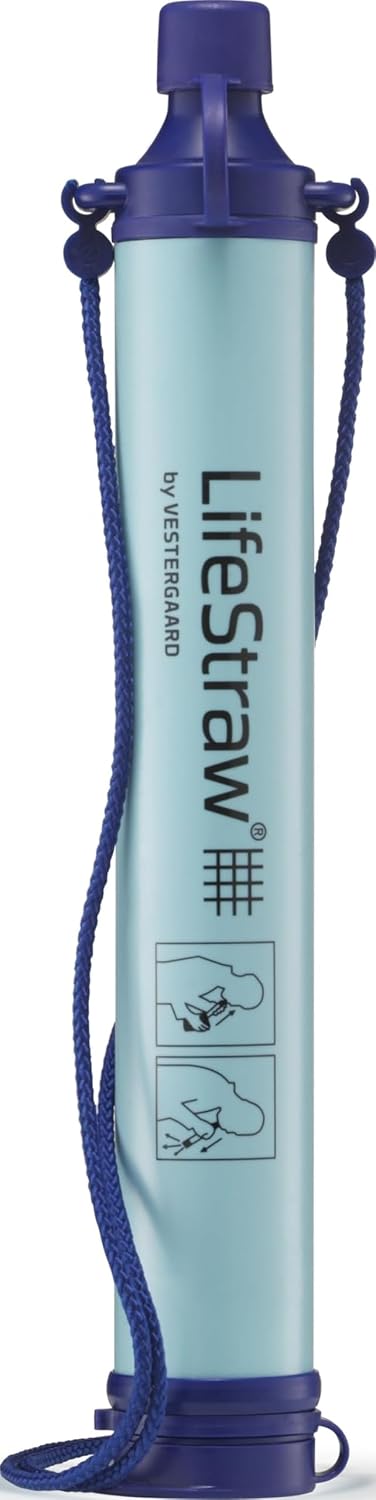
- Water (filtration, container, and 1 liter carried): 2–3 lbs
- Fire starting (lighter, ferro rod, waterproof matches, tinder): Under 1 lb
- Food (high-calorie, lightweight — bars, freeze-dried, jerky): 3–5 lbs
- Navigation (map, compass, backup GPS): Under 1 lb
- First aid (trauma-focused, not a full pharmacy): 1–2 lbs
- Clothing (layered, climate-appropriate, one spare set): 2–4 lbs
- Tools (knife, multi-tool, paracord, headlamp): 1–2 lbs
- Communication and documents (radio, cash, IDs in waterproof bag): 1 lb
- Pack itself: 3–5 lbs
That's a realistic range of 17–30 pounds for a properly equipped, honest 72-hour bug out bag. Notice what's not on that list: luxury comfort items, excessive redundancy, gear you've never trained with, and items that serve only one narrow scenario.
The 72-hour rule is your anchor. Your bug out bag is not designed to sustain you indefinitely. It's designed to get you from Point A to Point B — your home to your bug out location — in 72 hours. If your BOL is more than 72 hours of foot travel away without resupply, you need a vehicle plan, a cache system, or a different BOL. Don't compensate for a bad plan by loading down your bag.
Building This Into Your Prep Plan
Weight management starts before you ever pack a single item. It starts with a clear, written understanding of your bug out scenario. Ask yourself these questions and write the answers down:
- What is my primary bug out route and what terrain does it cover?
- What is the maximum distance I might travel on foot?
- Who is in my group and what are their physical capabilities?
- What is the likely season and climate condition?
- Do I have vehicle support, caches, or resupply points along the route?
Your answers dictate your gear list. A bug out through suburban streets in summer is a different kit than a mountain winter evacuation. Stop building a bag for every possible scenario and start building a bag for your most likely scenario with contingency planning layered in smartly.
Once you have a list, do the kitchen table audit. Lay every single item out on a table. Weigh each one. Record it. Then ask of each item: Does this item address a primary survival need? Can it serve more than one purpose? Have I trained with it? If the answer to any of those is no, it goes in the "justify yourself" pile. Items that can't justify their weight get cut or replaced with lighter alternatives.
Ultralight backpacking technology has given serious preppers an incredible advantage. A quality tarp shelter with a lightweight bivy can replace a tent and cut shelter weight in half. A water filter like the Sawyer Squeeze weighs 3 ounces and handles thousands of gallons. A Mylar sleeping bag liner adds warmth at almost no weight. Gear evolution is a continuous process — as better, lighter options become available and as your skills grow, your kit should evolve with you.

Advanced Level — What Serious Preppers Do Differently
Here's where the gap between casual preppers and serious practitioners becomes undeniable. Serious preppers understand that skill reduces weight. The more competent you are in wilderness survival, the less gear you need to carry. Someone who can confidently build a debris shelter, identify local water sources, and process game doesn't need to carry as much food, as heavy a shelter system, or as many redundant tools. Investing in skills is the highest-ROI decision in survival preparedness — bar none.
Serious preppers also train with their bags. Not once. Not twice. Regularly. They do loaded hikes. They time themselves over realistic terrain. They know exactly how their body responds to sustained movement under load and they've identified their weak points before a crisis does it for them. If you've never carried your bug out bag for more than thirty minutes, you do not know what your bug out bag actually is. You know what it weighs on paper.
Advanced preppers also build cache systems and vehicle redundancy into their overall plan, which directly relieves bag weight. A buried cache or a stored vehicle kit at the halfway point of your bug out route means you don't need to carry those supplies on your back. It's strategic pre-positioning — the same principle military units have used for generations.
Family load distribution is another advanced consideration. Your bug out bag is not just your bag — it's your family's system. Children over age 8 can typically carry 10–15% of their body weight comfortably. Teenagers can approach adult ratios. Plan load distribution intentionally. Put critical items like water filtration, first aid essentials, and navigation tools in the bag of your most capable, reliable carrier. Distribute food and shelter items based on remaining weight capacity. Run this system in practice hikes before you need it in the field.
Finally, serious preppers practice the shake-out exercise twice a year. They unpack their bag completely, inspect all gear for damage or expiration, repack deliberately, and re-weigh the final result. Gear accumulates. Bags get heavier without you noticing. Discipline in this process keeps your kit honest and operational.
Your Action Plan — What to Do in the Next 30 Days
Theory means nothing without execution. Here is your 30-day action plan for getting your bug out bag weight dialed in:
- Week 1 — The audit: Unpack your bag completely. Weigh everything individually using a small kitchen scale. Record every item and its weight in a notebook or spreadsheet. Calculate your total. Compare it to your 15–25% body weight target.
- Week 2 — The cut: Go through your list with brutal honesty. Apply the multi-use test and the training test to every item. Cut anything that fails both. Research lightweight alternatives for your heaviest items — shelter system, sleeping bag, and food are usually the biggest wins.
- Week 3 — The repack and the walk: Repack with intention. Heaviest items close to your back and high in the pack. Frequently needed items accessible. Adjust your hip belt and shoulder straps for proper load transfer. Then walk. Minimum 5 miles with the packed bag. Note what hurts, what shifts, what you needed and didn't have access to.
- Week 4 — The family review: Sit down with every member of your group. Assess their bags. Build a family load distribution plan. Identify the weakest link in your group's carrying capacity and plan around it — not around your own ideal performance.
Do this every six months. Write it in your calendar now. Preparedness is not a destination — it is a practice.
This Is What Self-Reliance Actually Looks Like
Anyone can buy gear. Anyone can fill a bag and feel prepared. What takes real commitment — the kind that actually protects your family when it matters — is the willingness to be honest about your limitations, to train consistently, to make hard decisions about what you carry and why, and to build a system that works for the real human beings in your group on the worst day of their lives. Your bug out bag is not a symbol of preparedness. It is a tool. Tools only save lives when they work — and a bag that breaks your body on mile three doesn't work. Get the weight right. Train with it. Know your route. Know your people. That is what it means to be truly prepared.
🛒 Essential Survival Gear
As an Amazon Associate I earn from qualifying purchases.