Bug Out Bag Checklist for Beginners: What to Pack, How Much, and What to Leave Behind

What a Bug Out Bag Actually Is — And Why Yours Needs to Be Ready Today
A bug out bag (BOB) is a pre-packed bag containing everything you need to survive 72 hours away from home during an emergency evacuation. House fire. Flood. Civil unrest. Chemical spill. Grid-down scenario. It doesn't matter what triggers the exit — what matters is that when you have to move, you move fast and you move equipped. FEMA recommends 72-hour kits. Most people don't have one. Of those who do, most have one that would get them killed. This guide fixes that. We're cutting through the noise and giving you exactly what needs to go in your bag, in what quantities, and in what order of priority — built around real-world survival principles, not wishful thinking.
Understanding the Bug Out Bag Framework
Before you start throwing gear into a backpack, you need to understand the framework that determines what goes in and what stays out. Every item earns its place by serving one or more of the five survival priorities:
- Water: You die in 3 days without it. This is always your first priority.
- Food: You die in 3 weeks without it. Important but secondary to water and shelter.
- Shelter and warmth: In the wrong conditions, you can die of exposure in under 3 hours.
- First aid and health: An untreated wound or medical emergency will end your bug out fast.
- Security and navigation: Knowing where you're going and being able to protect yourself en route.
Your bag should be a 72-hour kit minimum — that's three full days of independent operation. Ideally, you can push it to 96 hours with smart packing. The bag itself matters too. You want a 5,000–6,000 cubic inch (82–98 liter) tactical or hiking backpack with padded shoulder straps, a hip belt, and MOLLE webbing for additional attachment. Don't go cheap on the bag. A blown zipper or snapped strap on day one is a mission failure. Brands like 5.11 Tactical, Mystery Ranch, and Osprey make reliable options in the $120–$300 range.
Target total bag weight: no more than 25% of your body weight. For a 180-pound person, that's 45 pounds maximum — and lighter is always better. Every pound matters when you're covering 10–15 miles on foot.

The Complete Bug Out Bag Checklist — Category by Category
Below is a structured, actionable checklist broken down by survival category. These are specific items with specific quantities. Not "some water." Not "a knife." Real specs.
Step 1 — Water and Hydration
Water is weight, but you can't skip it. Pack smart.
- 2 liters of water minimum in a durable container on day one — a Nalgene 32 oz BPA-free bottle or a collapsible Platypus reservoir works well.
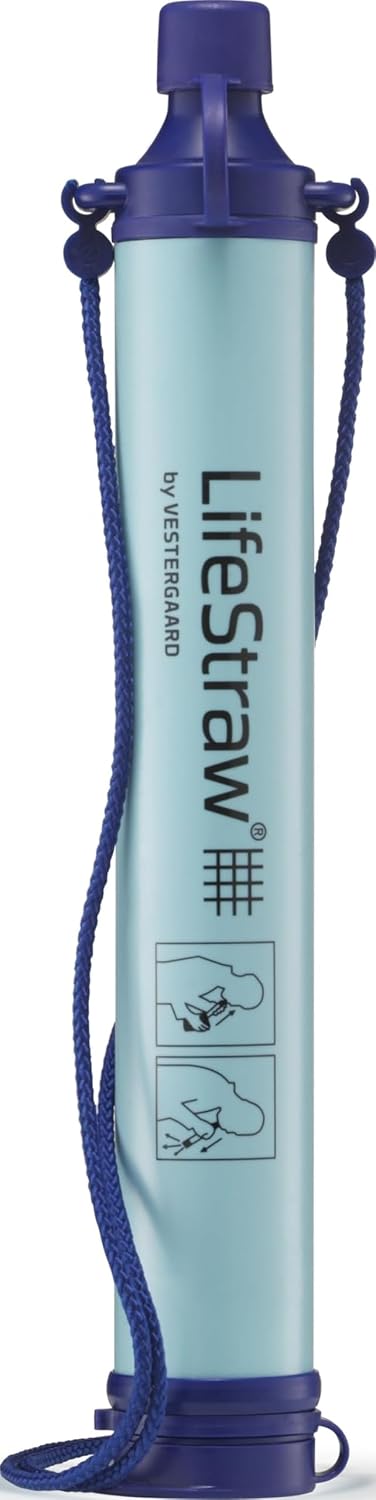
- Water filtration: A Sawyer Squeeze or Sawyer Mini filter (filters up to 100,000 gallons) — this is non-negotiable. Under $30. No excuse.
- Backup purification: 20 water purification tablets (iodine or chlorine-based) — lightweight insurance for when your filter fails or gets lost.
- Stainless steel bottle or 32 oz canteen: One metal container so you can boil water over fire if everything else fails.
Rule of thumb: Plan for 1 liter per person per hour of strenuous activity in hot conditions. In cooler temps, 2–3 liters per day is baseline.

Step 2 — Food and Nutrition
You're not cooking gourmet meals on the run. You need calories, shelf stability, and zero cooking dependency where possible.
- 9 meal-equivalent portions for 72 hours (3 meals per day, or 6 larger meals — your call).
- Mountain House or XMRE freeze-dried meals: 2–3 pouches (just add boiling water, 250–400 calories each).
- High-calorie energy bars: 6–8 bars (Clif Bars, Mainstay 400-calorie bars, or similar — aim for 300–400 calories each).
- Jerky or hard salami: 8–12 oz — protein and fat, no cooking required, shelf-stable.
- Peanut butter packets: 6–8 single-serve packets — calorie-dense, long shelf life, protein and fat combo.
- Hard candy or honey sticks: For quick glucose and morale.
- Compact camp stove and fuel: A BRS-3000T ultralight stove ($15–$20) with 2 isobutane fuel canisters — gives you the ability to boil water and heat food.
- A titanium or stainless steel 750ml pot for cooking and boiling water.
Step 3 — Shelter and Warmth
Exposure kills faster than thirst or hunger. Don't underestimate this category.
- Emergency mylar bivvy or emergency sleeping bag: SOL Emergency Bivvy — weighs 3.8 oz, reflects 90% of body heat, waterproof. Costs $15. Pack one.
- Lightweight tarp: A 8x10 ft silnylon or polyethylene tarp — sets up as a lean-to, A-frame, or rain fly in under 10 minutes. Weight: 1–2 lbs depending on material.
- 550 paracord: 100 feet minimum — shelter rigging, gear repair, improvised tools.
- Compact sleeping bag: Optional but recommended in cold climates — a 20°F mummy bag in a compression sack adds 2–4 lbs and could save your life.
- Work gloves: One pair of leather or Mechanix gloves — underrated for shelter building and handling sharp debris.
- Wool or synthetic base layer: One set — wool stays warm when wet. Cotton kills. Never pack cotton.
- Poncho or rain gear: Military surplus poncho doubles as shelter and rain protection.
Step 4 — Fire Starting
Fire gives you warmth, water purification, cooked food, signaling, and morale. Pack multiple ignition methods because one will fail.
- BIC lighter: Two of them. Cheap, reliable, works when dry.
- Ferro rod (ferrocerium striker): A 6-inch ferro rod like the Light My Fire Scout — produces 3,000°F sparks, works wet, lasts 12,000 strikes.
- Waterproof matches: One box in a sealed waterproof container.
- Tinder: Pre-packed fatwood shavings, Vaseline-soaked cotton balls (store in a film canister or small zip bag), or commercial fire starters like WetFire cubes.
Step 5 — First Aid
A well-stocked first aid kit can be the difference between managing an injury and dying from one. Don't buy a pre-made kit and call it done — most are underpowered for true emergency use.
- Tourniquet: One CAT (Combat Application Tourniquet) or SOFTT-W — learn to use it before you need it.
- Hemostatic gauze: QuikClot or Celox — for packing deep wounds that won't stop bleeding.
- Israeli bandage (compression bandage): One 4-inch or 6-inch — heavy bleeding control.
- Nitrile gloves: 4 pairs — protect yourself when treating others.
- Adhesive bandages: Assorted sizes, 20–30 count.
- Medical tape: 2-inch athletic or medical tape — one roll.
- SAM splint: One — for immobilizing broken limbs.
- Medications: 7-day supply of any prescription meds, plus ibuprofen, Benadryl, Imodium, antacids, and aspirin.
- Ace bandage: One 4-inch wrap.
- Moleskin: Blister prevention for long-distance walking — critically underestimated.
Step 6 — Tools, Navigation, and Light
- Fixed-blade knife: A full-tang 4–6 inch blade like a Morakniv Companion or ESEE 4 — for shelter building, food prep, and defense.
- Multi-tool: Leatherman Wave or Gerber MP600 — pliers, saw, file, screwdrivers.
- Headlamp: A 200+ lumen LED headlamp with red-light mode — two sets of replacement batteries in a separate bag.
- Backup flashlight: A compact tactical light like Fenix E12 (100 lumens, single AA battery).
- Compass: A baseplate compass like the Suunto A-10 — learn to use it before you need it.
- Topographic maps: Printed, laminated maps of your primary and alternate bug out routes. Your phone will die. Paper won't.
- Duct tape: A 10-foot flat-rolled section — wraps around a water bottle to save space.
- Zip ties: 10–15 assorted sizes.
- Signal mirror: A glass signal mirror can be seen up to 10 miles away in sunlight.
Step 7 — Communication and Documentation
- Handheld weather radio: A Midland ER310 or similar NOAA-capable radio with hand crank and solar charging.
- Copies of critical documents: ID, passport, insurance cards, deed or lease, emergency contacts — in a waterproof bag or laminated.
- Cash: $200–$300 in small bills — ATMs don't work in grid-down scenarios.
- Backup phone charger: A 10,000–20,000 mAh power bank, pre-charged.
- Whistle: A Fox 40 pealess whistle — for signaling rescuers. Louder than your voice and never runs out of battery.
Common Bug Out Bag Mistakes That Will Get You Killed
Most beginner bags fail before they're ever used. Here's why — and how to fix it.
- Packing too much weight: A 70-pound bag looks impressive on YouTube. On mile 8 of a foot evacuation, it becomes an anchor. Ruthlessly cut weight. Every item must earn its spot. If it doesn't serve at least two survival functions, question whether it belongs.
- Never testing the bag: Pack your bag and go on a 5-mile hike with it. Right now. Before you need it. You'll find out fast what chafes, what's inaccessible, and what you forgot. Gear that's never been used is untested gear.
- No bug out route planned: A bag without a destination plan is just a heavy backpack. Identify your primary and at least two alternate bug out locations. Drive the routes. Walk sections. Know them without GPS.
- Ignoring physical fitness: No bag saves an out-of-shape person who can't carry it 10 miles. Start walking. Ruck with weight. Your fitness is part of your bug out plan.
- Packing for comfort instead of survival: Leave the camp chair, the extra shoes, and the tablet at home. Pack for survival scenarios, not camping trips.
- Not rotating consumables: Water purification tablets expire. Food has a shelf life. Batteries lose charge. Set a calendar reminder every 6–12 months to audit and rotate your bag's consumables.
- Solo-focused packing in a family situation: If you have a spouse, kids, or elderly parents, your one bag doesn't cover them. Every capable person in your group needs their own bag scaled to their age and ability. Kids 8 and up can carry a 10-pound bag with snacks, a water bottle, and a rain poncho.
This Weekend — Here's What You Do
Stop reading and start building. This weekend, do three things. First: Pull out whatever bag you have right now — or buy one — and lay everything on the floor against this checklist. Identify every gap. Order what's missing. Second: Pack the bag, put it on, and walk two miles with it. Note what hurts, what shifts, and what's hard to access. Adjust. Third: Drive your primary bug out route from start to finish and identify two backup routes. Write them down on paper and put them in the bag. Your preparation is only as real as what you've actually done. Do the work this weekend — because the emergency won't wait for you to feel ready.
🛒 Essential Survival Gear
As an Amazon Associate I earn from qualifying purchases.