Broke But Not Defenseless: The $50/Month Prepping Plan That Actually Works

The Hard Truth Nobody Wants to Hear
The grid goes down on a Tuesday night. Shelves at your local grocery store are stripped bare within six hours — that's not a guess, that's what happened in Texas during Winter Storm Uri, in New Orleans after Katrina, and in countless towns after regional disasters that never made the national news. Most families have three days of food, no water storage, no medical supplies, and no plan. Most of those families thought they'd get to it eventually. Eventually doesn't come when the emergency does. The question isn't whether you can afford to prepare — it's whether you can afford not to.
The Reality Most People Ignore
Here's what the preparedness industry doesn't want to admit: you don't need a $3,000 bug-out vehicle, a bunker full of freeze-dried meals, or the latest tactical gear to protect your family. What you need is a consistent, intentional system built over time. And $50 a month — less than most people spend on coffee or streaming subscriptions — is enough to build a serious foundation over 12 months.
The prepping community is sometimes its own worst enemy. Social media is flooded with influencers showing off $10,000 setups, which causes the average person to look at their bank account and give up before they start. That's a fatal mistake. Real survival isn't about gear flex — it's about capability, knowledge, and stockpile depth. All three can be built on a tight budget if you're disciplined.
Consider this: a family with 90 days of food, a water filtration system, a basic first aid kit, and a tested evacuation plan is more prepared than 97% of their neighbors. You can build that in 12 months on $50 a month. But only if you stop waiting for the perfect moment and start now.
- Most emergencies are regional, not apocalyptic — job loss, winter storms, power outages, supply chain disruptions. Your prep plan should address these first.
- Knowledge costs nothing — and is the single highest-value asset you can possess. A person who knows how to purify water and treat a wound is worth more than someone with $5,000 in gear and no clue how to use it.
- Consistency beats intensity — $50 every month for 12 months outperforms a $600 panic buy once a year every single time, because it forces you to think strategically.

Core Principles and Knowledge Breakdown
Before you spend a single dollar, understand the hierarchy of survival needs. Preppers call it the Rule of Threes: you can survive three minutes without air, three hours without shelter in extreme weather, three days without water, and three weeks without food. This tells you exactly where to prioritize your budget.
Shelter comes first. If you're in a cold climate and the heat fails, you have hours — not days. Your home itself is your primary shelter, so think about what happens when it fails. Emergency mylar blankets cost $2 each and reflect 90% of body heat. A quality wool blanket from a thrift store runs $8–15 and can last decades. These are month-one purchases.
Water is your second priority. The average person needs one gallon per day for drinking and basic sanitation. A case of bottled water is $4–6. A Sawyer Squeeze water filter costs around $30 and filters up to 100,000 gallons. Water purification tablets run about $7 for 50 tablets. In month two or three, you should have at least 14 days of water storage and a reliable filtration method.
Food is third — and here's where budget preppers win. Forget the expensive freeze-dried pouches. Rice runs about $0.50 per pound. Dried beans are $1 per pound. Oats, pasta, canned goods, honey, and salt are all shelf-stable, calorie-dense, and dirt cheap. A $20–25 grocery run done strategically every month builds a meaningful stockpile faster than you think.
Medical knowledge and supplies round out your core foundation. A stop-the-bleed kit, a tourniquet (CAT or SOFTT-W — real ones, not knockoffs), and a quality first aid manual are non-negotiable. A tourniquet costs $30–35 from a reputable source. This is a one-time purchase that belongs in month one or two, because a wound that bleeds out doesn't care about your food stockpile.
The final principle is skills over stuff. Take a free CPR course through the Red Cross. Watch fire-starting tutorials and practice with a ferro rod ($10). Learn to read a paper map. These skills cost almost nothing and make every piece of gear you own more effective.
Building This Into Your Prep Plan
Here's a realistic month-by-month framework for spending $50 effectively. Adjust based on your family size and specific regional risks — someone in tornado country has different priorities than someone on the Gulf Coast.
- Month 1 — Shelter and Light ($50): Two quality mylar emergency blankets ($5), a hand-crank or battery-powered flashlight ($15), extra batteries ($8), a 72-hour emergency candle ($5), and begin your water stockpile with four cases of bottled water ($16). Total: ~$49.
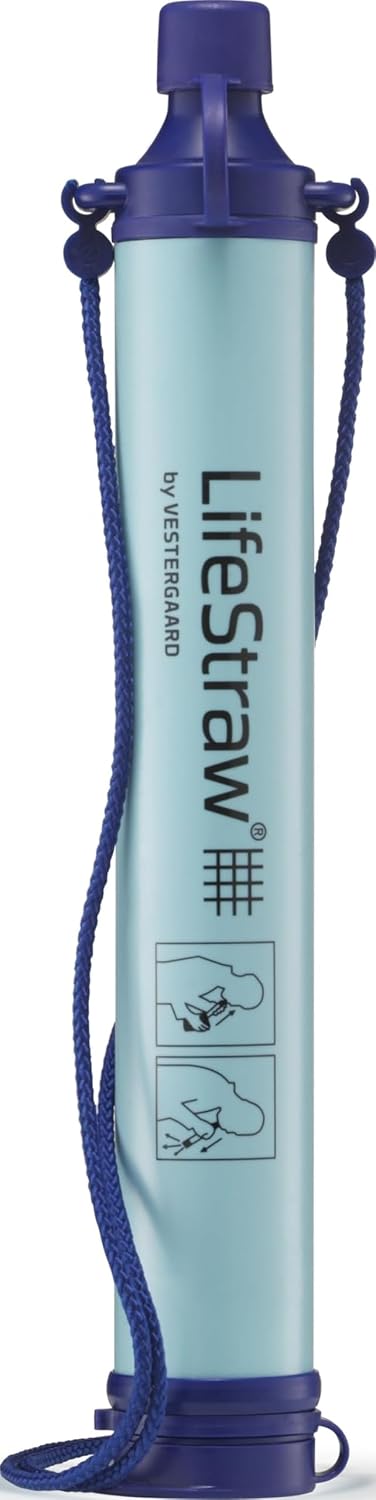
- Month 2 — Water Security ($50): Sawyer Squeeze filter or LifeStraw ($30), water purification tablets ($7), two more cases of water ($8), and a food-grade water storage container if budget allows ($5–10). Total: ~$50.
- Month 3 — Food Foundation ($50): 25 lbs of white rice ($12), 10 lbs of dried black beans ($10), 5 lbs of oats ($4), assorted canned goods — protein, vegetables, fruit ($15), sea salt and a multi-vitamin bottle ($9). Total: ~$50.
- Month 4 — Medical and First Aid ($50): A CAT tourniquet ($30), Israeli bandage or trauma dressing ($10), nitrile gloves, antiseptic wipes, and a quality adhesive bandage assortment ($10). Total: ~$50.
- Month 5 — Fire and Communication ($50): A hand-crank NOAA weather radio ($25), two ferro rods ($15), waterproof matches ($5), and fire-starting tinder ($5). Total: ~$50.
- Month 6 — Continue Food Stockpile and Add Tools ($50): Replenish and expand your food stores ($25), a quality fixed-blade knife or multi-tool ($20), paracord 100 ft ($5). Total: ~$50.
Months 7 through 12 continue rotating and expanding food, adding depth to medical supplies, investing in redundancy, and beginning to address self-defense, navigation, and off-grid cooking options like a propane camp stove or rocket stove design. By month 12, you will have spent $600 and built a foundation that most people never achieve.

Advanced Level — What Serious Preppers Do Differently
Once the basics are covered, serious preppers shift their mindset from stockpiling to capability building. This is where the long-term survivors separate themselves from those who panic when their first plan falls apart.
They build redundancy into every system. Two is one, one is none. That means two ways to start a fire, two water filtration methods, two evacuation routes. Redundancy isn't paranoia — it's engineering. Systems fail. Gear breaks. Redundancy is what keeps you alive when the primary system fails at the worst possible moment.
They develop community. The lone wolf narrative is a myth. Throughout history, people have survived by working together — sharing skills, labor, and resources. Identify two or three neighbors who take preparedness seriously. You don't need a formal group — even knowing someone on your street with medical training or mechanical skills is a significant force multiplier.
They practice regularly. Gear that's never been used in a real scenario will fail you. Serious preppers cook with their camp stove before they need it. They do a 72-hour dry run where they live only off their supplies. They hike with their bug-out bag to know exactly how it handles loaded. Familiarity under pressure is built through repetition, not theory.
They build skills that have trade value. In a prolonged disruption, the person who can set a broken bone, fix a generator, or preserve food through canning becomes an invaluable community asset. Skills never run out, never expire, and can't be looted. Invest in a first aid course, a basic electrical repair tutorial, or a canning class at your local extension office — many are free.
They think in scenarios, not products. Every dollar spent is evaluated against a specific threat scenario. What happens if the power is out for two weeks? What if you need to leave your home in 20 minutes? What if a family member has a medical emergency and EMS response time is two hours? Scenario-based thinking cuts through the noise and tells you exactly what you actually need.
Your Action Plan — What to Do in the Next 30 Days
Stop reading. Start doing. Here is your concrete 30-day action plan. No excuses, no delays.
- Day 1: Write down your household's specific risks — medical conditions, regional weather threats, local infrastructure vulnerabilities. This is your threat assessment and it costs nothing.
- Day 2–3: Audit what you already have. Most people have more than they think. Check your pantry, your medicine cabinet, your garage. Document gaps.
- Week 1: Set aside your $50. This is non-negotiable. Treat it like a bill. If you need to, cut one subscription or skip two restaurant meals. Your family's safety is worth it.
- Week 1–2: Make your first priority purchases based on Month 1 of the plan above. Focus on shelter and water. Do not skip ahead to cool gear.
- Week 2: Download or purchase one quality preparedness manual — the SAS Survival Handbook or the U.S. Army Survival Manual FM 21-76 are both available free online as PDFs. Print 30 pages and read them.
- Week 3: Practice one skill. Start a fire with only a ferro rod and natural tinder. Boil water. Change a tire. Cook a meal using only shelf-stable supplies. Document what worked and what didn't.
- Week 4: Have a family meeting. Walk every person in your household through the basics — where the supplies are, what the bug-out plan is, where the rally point is if you get separated. A plan only one person knows is not a plan.
- End of Month 1: Set a calendar reminder for month 2 purchases. Commit to 12 consecutive months. Take a photo of your setup before and after so you can see the progress — it matters for motivation.
This Is About Who You Are
Preparedness isn't a hobby for people with too much time and money. It is a statement of identity — a declaration that you refuse to be a victim, that you take your responsibilities as a parent, a partner, and a community member seriously, and that when things go wrong — and they will go wrong — you will be the calm in the storm rather than another person waiting for someone else to save them. Fifty dollars a month is not about building a bunker. It's about building the kind of person your family can count on when the lights go out and the world gets hard. Start tonight.
🛒 Essential Survival Gear
As an Amazon Associate I earn from qualifying purchases.