Boiling vs Filtering vs Chemical Treatment: Which Water Purification Method Actually Keeps You Alive

Why Your Water Purification Method Is a Life-or-Death Decision
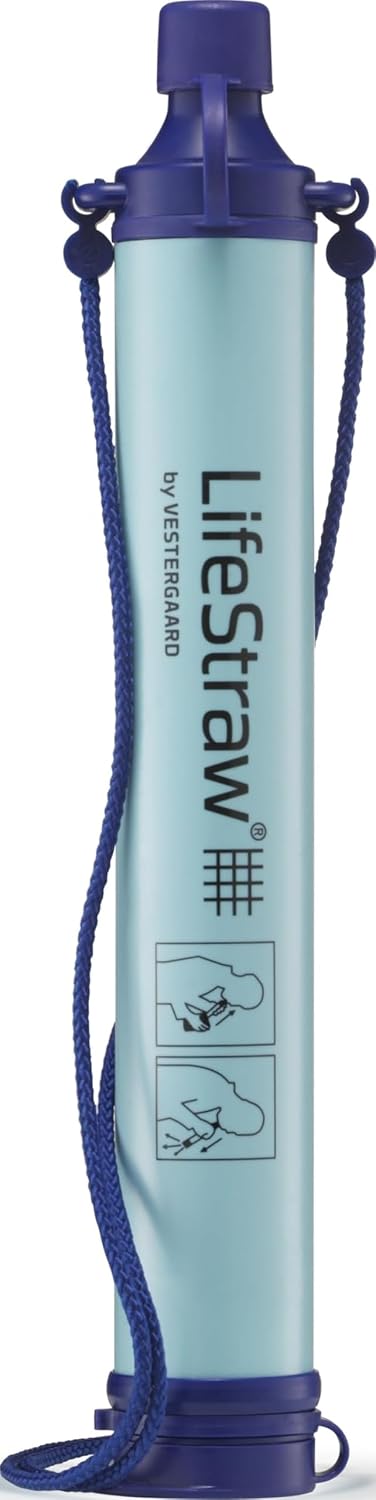
Contaminated water kills faster than almost any other wilderness or grid-down threat. Giardia, Cryptosporidium, cholera, typhoid — these aren't abstract dangers. They are the reason people die within days during disaster scenarios when they drink from the wrong source using the wrong method. Most preppers have a LifeStraw in their bag and call it done. That's a mistake. No single purification method handles every threat in every condition. Boiling, filtering, and chemical treatment each have specific strengths, hard limits, and situations where they flat-out fail. Know all three. Know when to combine them. That knowledge is what separates people who stay operational from people who spend three days vomiting next to a creek.
Breaking Down the Three Methods: What Each One Actually Does
Before you can choose intelligently, you need to understand what each method targets and what it leaves behind. Water threats fall into four categories: sediment and turbidity, biological pathogens (bacteria, protozoa, viruses), chemical contaminants, and heavy metals. No single method covers all four. Here's the breakdown:
Boiling is the oldest and most universally reliable method for biological threats. Heat denatures proteins and destroys cellular structure in pathogens. At 212°F (100°C) at sea level, a full rolling boil for 1 minute kills bacteria, protozoa, and viruses — all of them. At elevations above 6,500 feet (2,000 meters), water boils at a lower temperature, so extend that to 3 minutes to compensate. Boiling does nothing for chemical contaminants, heavy metals, or sediment. It also concentrates dissolved solids as water evaporates, which matters if your source already has elevated mineral or chemical content.
Filtration works by forcing water through a medium — hollow fiber membranes, ceramic, or activated carbon — that physically blocks particles above a certain size. A filter rated at 0.2 microns or smaller removes bacteria and protozoa effectively. The problem is viruses. Most viruses measure between 0.02 and 0.3 microns, meaning standard hollow fiber filters like the Sawyer Squeeze or LifeStraw let them pass. For wilderness use in North America where viral contamination from human waste is less likely, this is acceptable. In post-disaster urban environments, refugee situations, or international travel, it is not. Activated carbon filters additionally reduce chemical taste, odors, chlorine, and some heavy metals — but they are not a complete solution for heavy metal contamination or industrial chemicals. Ceramic filters with a silver impregnation add limited antibacterial protection but still miss viruses.
Chemical treatment uses oxidizing agents to destroy pathogens at the cellular level. The two main options are iodine tablets and sodium hypochlorite (household bleach) or sodium dichloroisocyanurate (NaDCC) tablets like Aquatabs. Chemical treatment kills bacteria and viruses effectively. The critical weakness: Cryptosporidium is highly resistant to standard chemical doses. Giardia requires higher doses and longer contact time. Cold or turbid water dramatically reduces effectiveness. Chemical treatment also leaves a taste, doesn't remove sediment or chemicals, and iodine carries health concerns with prolonged use — it is not appropriate for pregnant women or people with thyroid conditions.

Step-by-Step Application: How to Use Each Method Correctly
Knowing the theory doesn't save you. Execution does. Here's exactly how to apply each method in the field:
Boiling — The Right Way:
- Pre-filter your water through a bandana, cotton cloth, or coffee filter to remove sediment before boiling. Turbid water protects pathogens and reduces effectiveness of every purification method.
- Bring water to a full rolling boil — not a simmer, not small bubbles. Large, churning bubbles from the bottom of the container.
- Maintain that boil for 1 minute at elevations under 6,500 feet. At higher elevations, boil for 3 full minutes.
- Let water cool in a covered container. Do not leave it open to recontamination.
- Store in a clean, sealable container. Label it if you have multiple containers in camp.
Gear note: A stainless steel or titanium pot of at least 1 liter capacity is the minimum useful boiling vessel. Aluminum works but corrodes faster with acidic water sources. Avoid plastic containers that aren't rated for boiling — they leach chemicals under heat.
Filtration — The Right Way:
- Pre-filter visibly turbid water through cloth before running it through your filter. Sediment clogs filters and destroys their lifespan fast.
- For a Sawyer Squeeze: Fill the provided soft flask, attach the filter, and squeeze directly into your mouth or a clean container. Backflush with the included syringe every 5–10 uses in the field to maintain flow rate.
- For a gravity filter setup (Sawyer or Platypus GravityWorks): Hang the dirty bag at least 3–4 feet above the clean bag. Fill to capacity and let gravity do the work. Takes 1–2 liters per hour depending on filter condition and water temperature.
- Never let a filter freeze. Ice expansion destroys the hollow fiber membranes and the filter becomes useless — with no visible indication of failure. If your filter has been exposed to freezing temperatures, assume it is compromised.
- Replace filters per manufacturer specifications. Sawyer claims a 100,000-gallon lifespan with proper backflushing. Real-world with turbid water and infrequent backflushing is significantly less.
Chemical Treatment — The Right Way:
- Pre-filter turbid water first. Sediment binds chlorine and iodine, drastically reducing the active dose available to kill pathogens.
- Aquatabs (NaDCC): Use 1 tablet per 1 liter of clear water or 2 tablets per liter of cloudy water. Wait 30 minutes in warm water (above 60°F / 15°C). In cold water under 40°F (4°C), extend wait time to 60 minutes.
- Household unscented liquid bleach (6–8.25% sodium hypochlorite): Add 8 drops per gallon of clear water or 16 drops per gallon of cloudy water. Wait 30 minutes minimum. Water should have a slight chlorine smell after treatment — if it doesn't, repeat the dose and wait another 15 minutes.
- Iodine tablets: Follow manufacturer directions — typically 1 tablet per liter, 30-minute wait. Add vitamin C or neutralizing tablets after treatment to reduce the taste if needed. Do not use iodine for more than 2–3 weeks continuously.
- For Cryptosporidium risk, do not rely on chemical treatment alone. Combine with filtration or boiling.
The Two-Method Combination Protocol: In high-risk situations — post-disaster, urban contamination, any source near human activity — filter first, then chemically treat or boil. Filtering removes sediment and protozoa. Boiling or chemical treatment handles viruses. This combination covers the full biological threat spectrum.
Common Mistakes That Get Preppers Sick — And How to Stop Making Them
Mistake 1: Skipping pre-filtration. Running raw, turbid water through any treatment method is one of the most common field errors. Sediment physically protects pathogens from UV, chemicals, and heat at the outer edges of particles. Always run visibly cloudy water through cloth, a bandana, or a purpose-built pre-filter before any other treatment. A coffee filter carried in your kit adds almost no weight and dramatically improves every other method's effectiveness.
Mistake 2: Trusting a hollow fiber filter for viral threats in high-risk environments. Your Sawyer Squeeze is excellent gear for backcountry North America. It is not sufficient in a refugee camp, after a flood event that has contaminated municipal systems with sewage, or in any environment with dense human habitation and compromised sanitation. In those conditions, combine filtration with chemical treatment or boiling.
Mistake 3: Using bleach that's too old. Sodium hypochlorite degrades over time. Bleach stored for more than 6 months loses potency — roughly 20% per year after that threshold. Use recently purchased, unscented bleach. If you're relying on old bleach and your treated water doesn't smell faintly of chlorine after treatment, the dose was insufficient. Double it and wait again, or switch methods.
Mistake 4: Not accounting for water temperature with chemical treatment. Most preppers dose and wait 30 minutes regardless of conditions. Cold water — anything below 50°F (10°C) — requires double the contact time minimum. Ice-cold water from snowmelt in early spring needs at least 60 minutes of contact time, and some sources recommend increasing the dose as well. In cold weather operations, boiling becomes the more reliable primary method.
Mistake 5: Freezing your filter and not knowing it's compromised. This one gets people badly. A filter that has frozen looks exactly like a functional filter. There is no visible sign of membrane damage. If your filter has been exposed to temperatures at or below 32°F (0°C), treat it as compromised. Switch to boiling or chemical treatment. In cold-weather kit, carry iodine or Aquatabs as your backup specifically because they don't fail in the cold.
Mistake 6: Believing that clear water is safe water. Crystal clear mountain streams can carry Giardia from upstream animal contamination. Urban tap water during a boil advisory looks identical to safe tap water. Clarity tells you nothing about biological or chemical safety. Treat all field water sources regardless of appearance.
Mistake 7: No redundancy in your kit. Single-method water purification is a fragile system. Filters clog, freeze, or crack. Chemical tablets expire or get wet and clump. Fire isn't always possible. Carry a minimum of two methods. The minimum viable kit: a Sawyer Squeeze plus a supply of Aquatabs. Optimal: add a stainless steel pot that can boil. Three methods, multiple failure points covered, weighs under a pound total.

What to Practice This Weekend
Pull every water purification item out of your kit right now. Check your filter — when did you last backflush it? Check your bleach — when was it purchased? Check your chemical tablets — are they expired, clumped, or damaged? Then this weekend, go to a natural water source and run the full sequence: pre-filter through cloth, filter through your Sawyer, chemically treat with Aquatabs, and separately boil a batch over fire. Time each method. Note what conditions make each one harder. That hands-on familiarity is the difference between someone who has gear and someone who can use it under pressure. Do it before you need to. That's the whole point.
🛒 Essential Survival Gear
As an Amazon Associate I earn from qualifying purchases.