Boiling vs Filtering vs Chemical Treatment: The Water Purification Truth That Could Save Your Life

Why Most People Get This Wrong
Waterborne illness kills more people in disaster scenarios than almost any other preventable cause. A single glass of contaminated water can put you on the ground with cholera, giardia, or cryptosporidium within 24 to 72 hours — and in a survival situation, that is a death sentence. Most preppers think they have this handled. Most of them are wrong.
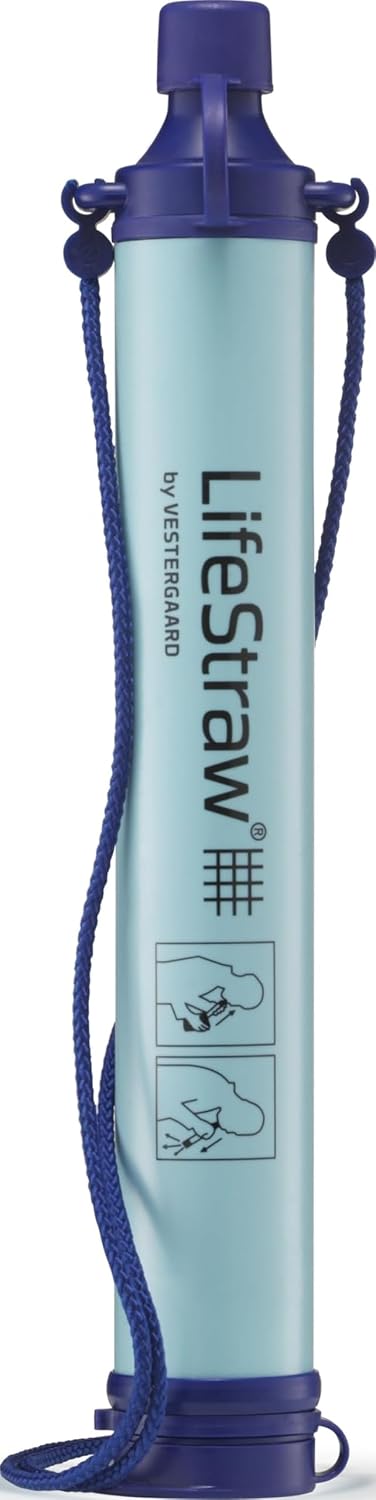
Here is where the dangerous thinking starts: people pick one method and treat it like gospel. They toss a few iodine tablets in their bug-out bag and call it done. Or they buy a filter straw, watch one YouTube video, and assume they are prepared for any water scenario they will ever face. The truth is that no single purification method handles every threat in every environment. Understanding the strengths and hard limits of each method is not optional — it is the difference between staying operational and going down hard when the grid fails.
The most common mistakes people make:
- Relying on a single purification method as a universal solution
- Not pre-filtering turbid or silty water before applying chemical treatment
- Underestimating contact time requirements for chemical treatments
- Using filters past their rated capacity without replacement
- Assuming boiling handles chemical contaminants — it does not
- Ignoring altitude adjustments when boiling water
- Failing to protect treated water from recontamination after purification
Fix the thinking first. Then build your system around real knowledge.
The Fundamentals — Breaking Down Each Method
Let's go method by method with zero sugarcoating. Each one has a job. Know what that job is.

Boiling
What it kills: Bacteria, viruses, protozoa — all of them. Boiling is the most universally reliable biological purification method available to any human being on earth. No batteries, no replacement parts, no expiration dates.
How to do it correctly:
- Pre-filter visibly cloudy or dirty water through a bandana, cloth, or coffee filter to remove sediment before boiling. Particulates protect pathogens from heat.
- Bring water to a full rolling boil. A rolling boil means large, vigorous bubbles — not a simmer.
- At elevations below 6,500 feet (2,000 meters), boil for 1 full minute.
- At elevations above 6,500 feet, boil for 3 full minutes. Water boils at a lower temperature at altitude, requiring longer exposure to achieve sterilization.
- Allow to cool naturally. Cover your container to prevent recontamination during cooling.
- Store in a clean, sealed container. Do not drink directly from the boiling vessel if it was previously contaminated on the outside.
What boiling does NOT handle: Heavy metals, chemical pollutants, fuel runoff, agricultural chemicals, and industrial contaminants. If your water source is downstream from industrial activity or a flooded area with chemical runoff, boiling makes it microbiologically safe but chemically still dangerous. Know your environment.
Fuel consideration: Boiling requires a heat source. In a long-term grid-down situation, fuel becomes a resource management problem. A standard camp stove with an 8 oz butane canister boils roughly 12 to 15 liters before running dry. Plan accordingly.
Filtration
What it removes: Protozoa (giardia, cryptosporidium), bacteria (when filter is rated to 0.2 microns or smaller), sediment, and some chemical contaminants depending on whether the filter contains activated carbon.
What most filters do NOT remove: Viruses. This is the critical failure point that gets people sick. In North American backcountry, viral contamination is relatively rare in wilderness water sources. In international travel, post-disaster urban environments, or anywhere with compromised sewage infrastructure, viral contamination is a serious and real risk. A standard hollow-fiber filter like a Sawyer Squeeze or a Katadyn BeFree will not protect you against viruses.
Filter specifications to know:
- 0.1 micron rating — removes bacteria and protozoa (most hollow-fiber filters)
- 0.02 micron rating — removes viruses (ceramic or specialized filters like the Katadyn Pocket or MSR Guardian)
- Activated carbon stage — reduces chemical contaminants, heavy metals, and improves taste
How to use a filter correctly:
- Pre-filter turbid water through cloth before running it through your filter. Sediment clogs filters fast and destroys their service life.
- Follow manufacturer flow rate guidelines. A severely restricted filter is approaching end of life or is clogged.
- Backflush regularly according to your filter's instructions to maintain flow rate and capacity.
- Never allow a hollow-fiber filter to freeze. Ice crystals destroy the membrane integrity and the filter will look functional but fail to remove pathogens. If you are in cold environments, sleep with your filter.
- Track your gallon count. A Sawyer Squeeze is rated to 100,000 gallons — but that is under ideal conditions. Real-world field use degrades performance faster.
- Keep the clean and dirty sides of your filter system separated and clearly labeled. Cross-contamination defeats the whole purpose.
- What it kills: Bacteria and viruses — highly effective against both when used correctly. This is the advantage chemical treatment has over basic filtration: it handles viruses.
- What it does NOT kill reliably: Cryptosporidium. Standard iodine and chlorine tablets have minimal effectiveness against crypto. Chlorine dioxide tablets (Aquatabs, Potable Aqua Chlorine Dioxide) are the exception — they do kill cryptosporidium, but require a longer contact time of 4 hours minimum versus 30 minutes for bacteria and viruses.
- Common chemical options and dosing:
- Iodine tablets (Potable Aqua): 2 tablets per liter, 30-minute contact time in clear warm water. Double the dose and double the time in cold or turbid water. Not suitable for pregnant women, thyroid conditions, or long-term use beyond a few weeks.
- Sodium hypochlorite (unscented household bleach, 5-6% concentration): 8 drops per gallon of clear water, 16 drops for turbid water. 30-minute contact time. This is the FEMA-recommended method for emergency water treatment.
- Chlorine dioxide tablets (Aquatabs, Potable Aqua PLUS): 1 tablet per liter, 30-minute contact time for bacteria and viruses, 4-hour contact time for cryptosporidium. Best overall chemical option.
- Critical rule for chemical treatment: Turbid water severely reduces effectiveness. Always pre-filter through cloth to achieve clarity before applying chemicals. Organic matter consumes the active chemical before it can do its job.
- A serious prepper does not pick one method. They build a layered system. Here is what a complete water purification setup looks like at three levels:
- Minimum Viable Kit (Bug-Out Bag / 72-Hour):
- 1x Sawyer Squeeze or Sawyer Mini filter with drinking pouch
- 1x package Potable Aqua Chlorine Dioxide tablets (30 tablets)
- 1x bandana or pre-filter cloth for sediment removal
- 1x metal 32 oz water bottle capable of being placed over a flame for boiling
- Extended Kit (Bug-Out Location / 2 Weeks+):
- 1x MSR Guardian or Katadyn Pocket filter (removes viruses, extremely durable)
- 50x chlorine dioxide tablets as backup
- 1x quart of unscented bleach (5-6% sodium hypochlorite)
- Large metal pot minimum 2-liter capacity for boiling
- Pre-filter material — coffee filters, multiple bandanas, or a DIY gravity filter with sand and charcoal layers
- 5-gallon food-grade water storage containers for treated water storage
- Home Base / Long-Term Preparedness:
- Gravity-fed filter system (Big Berkey with Black Berkey elements handles bacteria, protozoa, viruses, and heavy metals)
- 55-gallon water storage barrel with bung wrench and siphon pump
- Water BOB bathtub bladder (100 gallons, fills from tap before a known disaster)
- Ongoing rotation of chlorine dioxide tablets
- Multiple ignition methods to support boiling capability
- Having the gear is step one. Running a layered, situation-aware water purification system is step two.
- 1. Combine methods based on threat assessment. In a wilderness environment far from human activity — filter only is probably sufficient. In a post-disaster urban environment with compromised sewage — filter PLUS chemical treatment or boiling is mandatory. Read your environment and respond accordingly.
- 2. Build a DIY gravity filter as a backup. Layer materials in a container with drainage holes at the bottom: grass or cloth, fine sand, coarse sand, activated charcoal (not lighter fluid charcoal — hardwood charcoal or commercially purchased activated carbon). This removes sediment and some contaminants and improves taste. It is not a standalone solution — follow with boiling or chemical treatment. But in an extreme resource-depleted scenario, it buys you meaningful protection.
- 3. Know your water sources before you need them. Map springs, streams, and water catchment points in your area now. Identify upstream risks — farms, industrial sites, roads. Pre-knowledge lets you select the best available source and apply the right purification method before you are stressed, dehydrated, and making bad decisions.
- 4. Use the two-container method. Always have a designated dirty container (for collecting raw water) and a clean container (for treated water). Never cross-contaminate. Label them. Burn the habit in.
- 5. Track your filter life actively. Mark a piece of tape on your filter housing and track gallons processed. Assume real-world capacity is 50-60% of the manufacturer's rated maximum under field conditions.
- 6. Rainwater collection requires purification too. Atmospheric pollutants, bird droppings, and contaminated collection surfaces mean rainwater is not automatically safe to drink without treatment. Filter and either chemically treat or boil it.
- Reading this does nothing unless you act on it. Here is your assignment:
- Audit your current water kit today. Pull out everything you have. Check expiration dates on chemical tablets (they degrade). Check your filter for freeze damage if it has been stored in a cold space. Replace what is compromised.
- Practice boiling water from a non-tap source. Fill a container from a stream, puddle, or pond near you. Pre-filter through cloth. Boil it correctly. This builds the muscle memory you need when conditions are bad.
- Purchase chlorine dioxide tablets if you do not have them. Aquatabs and Potable Aqua Chlorine Dioxide are available at most outdoor retailers and online. Buy a minimum of 30 tablets per person in your group. Store them in a cool, dry place.
- Designate clean and dirty water containers. Label them permanently. Add this two-container system to every bag you own from bug-out to get-home.
- Assess your home's 72-hour water supply. FEMA recommends one gallon per person per day minimum — three days minimum stored. Do the math for your household right now and close the gap if you are short.
- Identify three local water sources you could access if municipal water failed. Map them. Assess upstream contamination risks for each.
- Water is not a background concern. It is the number one priority in any survival scenario. The human body fails in three days without it — and contaminated water can take you down just as effectively as no water at all. Build your system now, layered and redundant, or pay the price later under conditions where there is no margin for error.
The Bottom Line — Action Steps to Take This Week
Advanced Tactics — What Separates the Truly Prepared
What You Need — The Complete Water Purification Kit
Chemical Treatment

🛒 Essential Survival Gear
As an Amazon Associate I earn from qualifying purchases.